Crush Papaya Leaves Every Night – Your White Hair May Start Turning Dark and Growing Like Crazy by Morning
Garden Healthy 05/01/2026 21:09

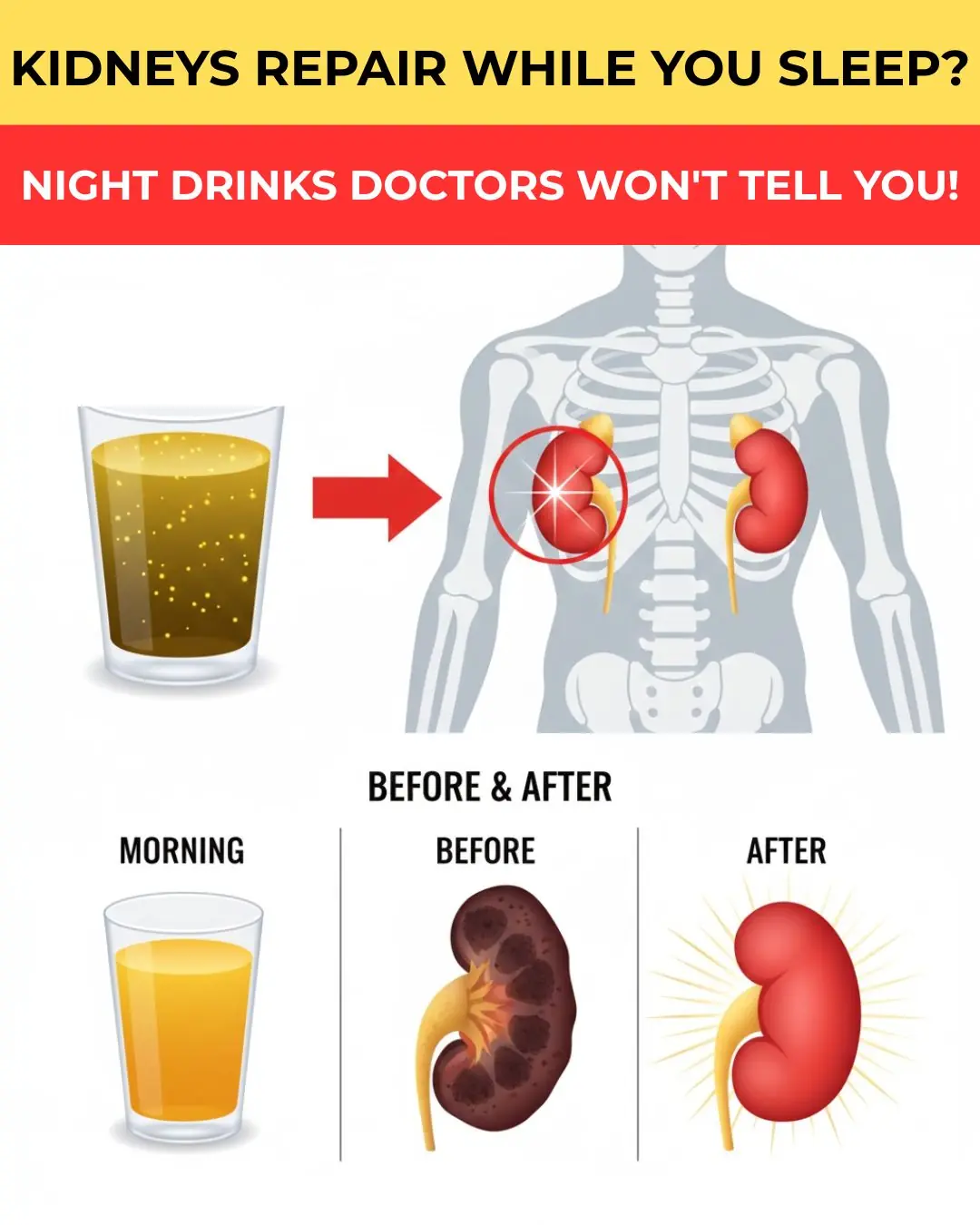
Kidneys play a critical yet often overlooked role in maintaining overall health. These bean-shaped organs filter waste products, regulate fluid balance, control blood pressure, and maintain essential electrolytes. Because kidney damage typically develops slowly and silently, early warning signs are frequently mistaken for normal aging or daily stress. According to epidemiological data, more than 37 million adults in the United States live with chronic kidney disease (CKD), and nearly 90% of those in early stages are unaware of their condition (Centers for Disease Control and Prevention – CDC).
One of the earliest indicators of kidney strain is a change in urination patterns. Persistent foamy urine may suggest protein leakage, while darker urine or increased nighttime urination can reflect impaired filtration or fluid regulation. Research from the National Kidney Foundation (NKF) highlights that proteinuria and nocturia are common early findings in CKD, even before laboratory abnormalities become severe.
Fluid retention is another subtle but important sign. Swelling in the feet, ankles, hands, or around the eyes occurs when the kidneys cannot adequately remove excess sodium and water. Periorbital puffiness, particularly noticeable in the morning, has been associated with albumin loss through urine, disrupting normal oncotic pressure (National Kidney Foundation).
Less obvious symptoms often affect the skin and senses. A metallic taste in the mouth or ammonia-like breath can develop when urea accumulates in the bloodstream. Persistent itching and unusually dry skin may result from mineral imbalances, particularly elevated phosphorus levels, which are commonly seen in declining kidney function (Kidney Disease: Improving Global Outcomes – KDIGO).
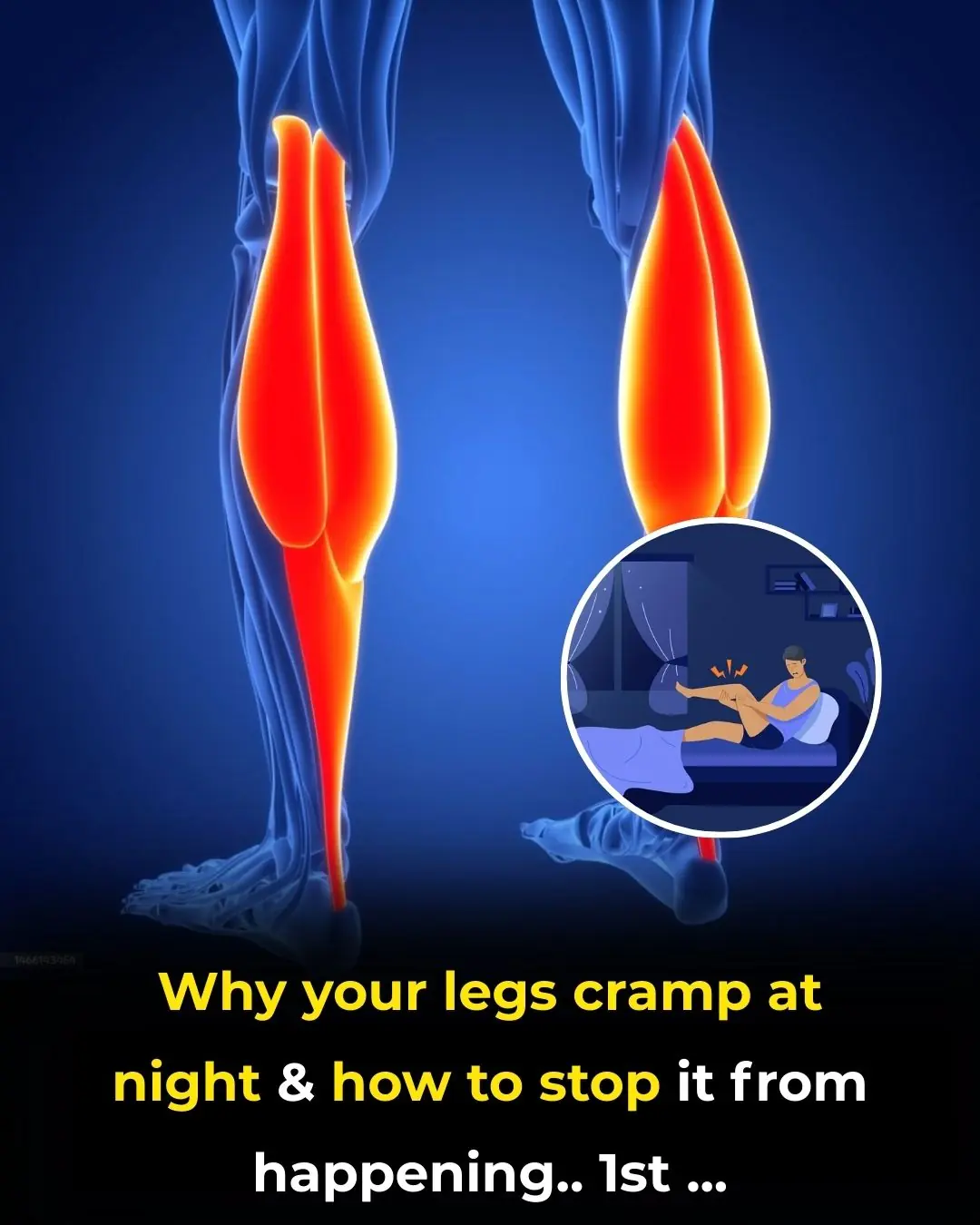
Systemic symptoms such as fatigue, muscle cramps, nausea, and reduced appetite are also frequently reported. Fatigue may stem from anemia, as damaged kidneys produce less erythropoietin, the hormone responsible for red blood cell production. Electrolyte disturbances, especially involving calcium and potassium, can contribute to nighttime muscle cramps. Gastrointestinal discomfort, including nausea or loss of appetite, reflects the body’s response to circulating metabolic waste (KDIGO Clinical Practice Guidelines).
Cognitive and cardiovascular signs may emerge as kidney stress progresses. Difficulty concentrating or “brain fog” has been linked to toxin accumulation affecting neurological function. Shortness of breath can occur due to fluid buildup in the lungs or anemia-related oxygen deficiency. Additionally, rising or difficult-to-control blood pressure is both a cause and a consequence of kidney disease, as the kidneys play a central role in regulating vascular tone (American Heart Association; National Kidney Foundation).
It is important to emphasize that these symptoms are not diagnostic on their own. Many can arise from other conditions. However, when multiple signs persist or occur together—especially in individuals with risk factors such as diabetes, hypertension, obesity, or a family history of kidney disease—medical evaluation is strongly recommended.
Early detection allows for interventions that may significantly slow disease progression. Simple blood and urine tests, including serum creatinine, estimated glomerular filtration rate (eGFR), and urine albumin, provide valuable insight into kidney health. Lifestyle adjustments and medical management initiated early can preserve kidney function and reduce complications.
In conclusion, kidneys often signal distress quietly. Recognizing subtle changes and responding proactively can make a meaningful difference. Awareness, routine screening, and timely consultation remain the most effective tools for protecting long-term kidney health.
Sources (scientific references):
Centers for Disease Control and Prevention (CDC)
National Kidney Foundation (NKF)
Kidney Disease: Improving Global Outcomes (KDIGO) Clinical Practice Guidelines
American Heart Association