A Spoonful of This Natural Blend May Help Support Eye Health and Reduce Eye Fatigue
Health 14/03/2026 23:49
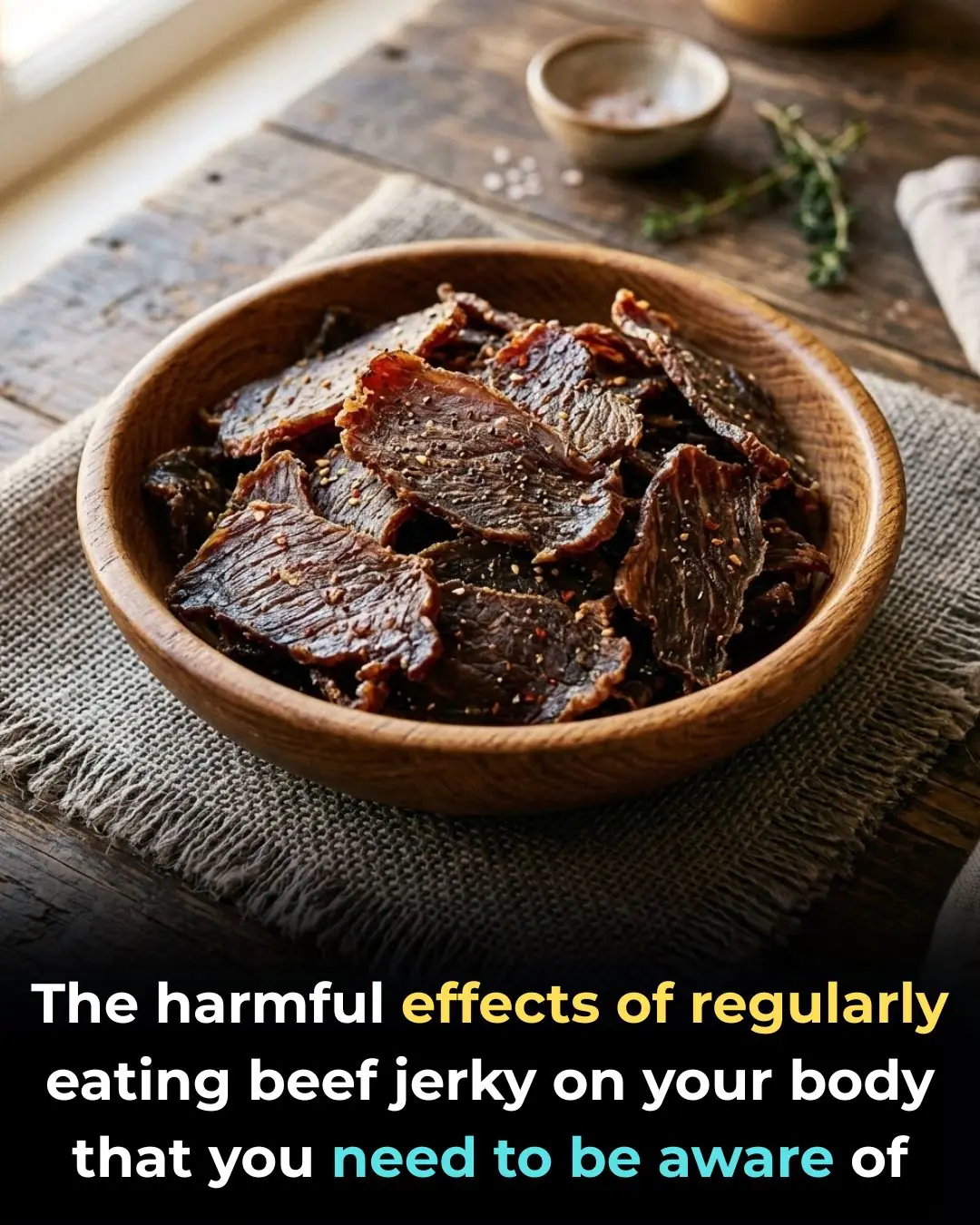
Beef jerky is one of the most popular high-protein snacks in the world. Lightweight, shelf-stable, and flavorful, it’s often a go-to option for hikers, athletes, and busy people looking for a quick energy boost. But what actually happens to your body if you eat beef jerky regularly? The answer is more complex than you might think. While this dried meat snack has several nutritional benefits, it also comes with potential downsides depending on how often and how much you consume.
Let’s take a closer look at how regular beef jerky consumption affects your body.

One of the biggest benefits of beef jerky is its high protein content. A typical 1-ounce (28-gram) serving contains around 9–12 grams of protein. Protein is essential for many bodily functions, including:
For people who exercise regularly or need convenient protein sources, beef jerky can be a practical snack. Because it’s dried, the protein is concentrated compared to fresh meat.
Eating protein-rich snacks like beef jerky may also help reduce hunger and support weight management, since protein increases satiety and slows digestion.
Beef jerky also provides several essential micronutrients that your body needs to function properly.
Key nutrients include:
These nutrients are naturally abundant in beef, and the drying process largely preserves them. For people who don’t consume a lot of red meat in their regular meals, beef jerky can help fill certain nutritional gaps.

Because beef jerky contains protein, iron, and B vitamins, eating it regularly can help support stable energy levels.
Iron is particularly important because low iron levels can lead to fatigue and weakness. If someone has mild iron deficiency, consuming iron-rich foods like beef jerky may help support better oxygen transport in the body.
Additionally, protein snacks help maintain steady blood sugar levels, preventing the sharp spikes and crashes associated with sugary snacks.
While beef jerky has benefits, one of its biggest drawbacks is high sodium content.
Most commercially prepared jerky contains 300–600 milligrams of sodium per ounce, and sometimes even more. Sodium is added during the curing process to preserve the meat and enhance flavor.
If you eat beef jerky frequently, this can contribute significantly to your daily sodium intake.
Excess sodium consumption is associated with:
Health experts generally recommend limiting sodium intake to about 2,300 mg per day, or even less for individuals with hypertension. Eating several servings of jerky in a day could push you close to that limit.

Some types of beef jerky contain preservatives such as sodium nitrite. These compounds help prevent bacterial growth and maintain the meat’s color.
While nitrites are considered safe in regulated amounts, excessive consumption of heavily processed meats has been associated with increased long-term health risks in some studies.
For people who eat jerky often, choosing natural or minimally processed brands without added nitrates or nitrites may be a healthier option.
Beef jerky can actually be helpful for weight management because it’s high in protein and relatively low in carbohydrates.
Protein helps:
Compared to many snack foods like chips or cookies, jerky is more nutritionally dense and less likely to cause overeating due to sugar spikes.
However, portion control is still important. Jerky is calorie-dense because it’s dehydrated. Eating large quantities can add more calories than you realize.
Because jerky is dry and salty, eating it regularly can make you feel thirstier than usual. Sodium pulls water into the bloodstream and tissues, which is why salty foods often trigger thirst.
If you enjoy beef jerky frequently, it’s important to drink enough water throughout the day to maintain proper hydration and support kidney function.

Beef jerky can be a convenient and nutritious snack when eaten in moderation. It provides high-quality protein, essential vitamins, and minerals that support muscle health, energy production, and overall body function.
However, eating beef jerky regularly may also increase your sodium intake and expose you to preservatives found in processed meats. Choosing high-quality jerky with lower sodium and minimal additives can help reduce these concerns.
In general, beef jerky is best enjoyed as an occasional protein snack rather than a daily staple. When balanced with fresh foods like fruits, vegetables, whole grains, and lean proteins, it can be part of a healthy diet without negatively affecting your body.
If you enjoy the flavor and convenience of beef jerky, the key is simple: eat it mindfully and in moderation.