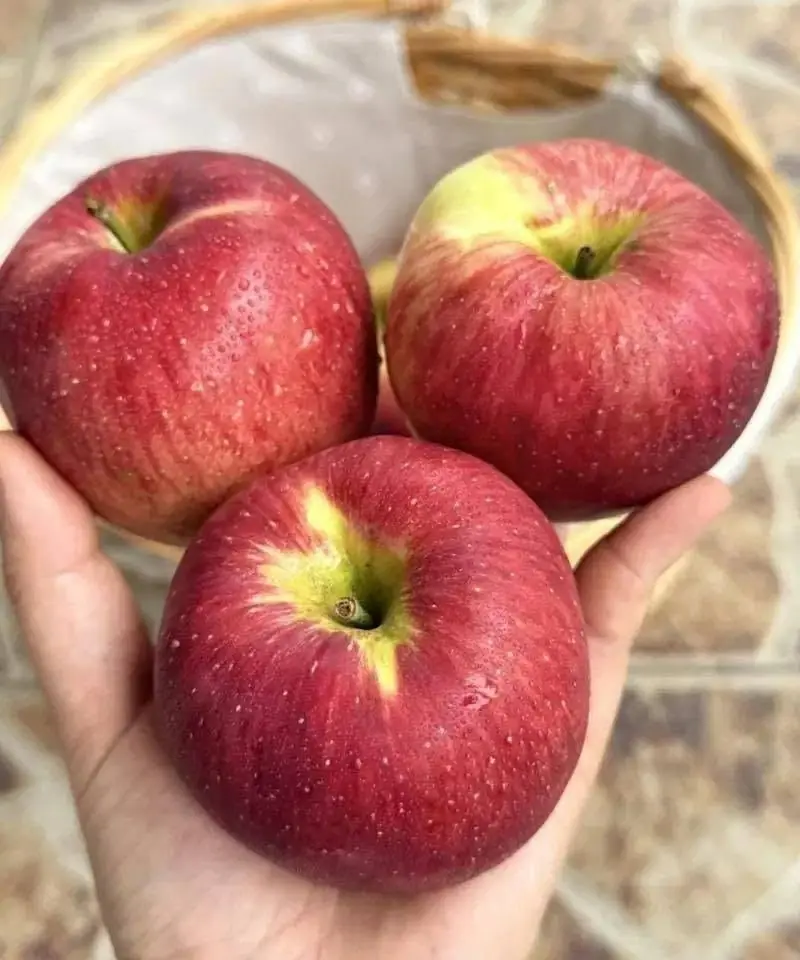
Doctors Reveal That Eating Apples Causes Remarkable Health Benefits
Health 13/08/2026 21:01
Cancer is a complex disease with many possible causes, including genetics, lifestyle, environmental exposures, infections, and chance. While it is misleading to claim that one kitchen mistake can directly cause an entire family to develop cancer, some everyday food-safety habits can increase exposure to harmful substances and should not be ignored.
One substance that deserves particular attention is aflatoxin, a toxin produced by certain types of mold.
Aflatoxins are naturally occurring toxins produced by certain molds, particularly Aspergillus species. They can contaminate foods such as peanuts, corn, tree nuts, seeds, and some other agricultural products when they are stored in warm, humid conditions.
Aflatoxin B1 is classified by the International Agency for Research on Cancer (IARC) as a Group 1 carcinogen, meaning there is sufficient evidence that it can cause cancer in humans. Long-term exposure is particularly associated with an increased risk of liver cancer.
Unlike many food contaminants, aflatoxin cannot necessarily be detected by smell or taste. Therefore, simply removing a visibly moldy portion may not always make contaminated food safe.
Wooden and bamboo chopsticks can absorb moisture and food particles over time. If they are repeatedly exposed to moisture and are not allowed to dry properly, microorganisms and mold may grow.
However, the idea that every wooden chopstick older than six months automatically contains aflatoxin is not scientifically established.
Instead of following an exact replacement deadline, inspect your chopsticks regularly. Discard them if they become cracked, heavily stained, moldy, or develop an unusual odor.
Wash them thoroughly after use and allow them to dry completely in a well-ventilated area.
Cutting boards naturally develop knife grooves as they are used. Those grooves can trap food particles and moisture, creating an environment where bacteria can multiply.
A cutting board does not automatically become carcinogenic simply because it is old. The bigger concern is poor hygiene and cross-contamination.
For better food safety:
Use separate boards for raw meat and ready-to-eat foods.
Wash cutting boards thoroughly after each use.
Allow them to dry completely.
Replace boards when they become deeply cracked, excessively worn, or difficult to clean.
If nuts, seeds, grains, or other foods taste unusually bitter, smell strange, or show visible mold, do not continue eating them.
Some mold-contaminated foods may contain aflatoxins, and cooking or roasting does not necessarily eliminate all of the toxin.
The safest approach is simple: when food appears moldy or suspicious, throw it away rather than trying to rescue it.
Not every plastic container is dangerous, and simply reusing plastic does not mean it causes cancer.
The important issue is whether the container is designed for repeated food contact and whether it has been damaged by heat, scratches, or prolonged use.
Avoid repeatedly reusing disposable containers that were not designed for long-term storage. Do not microwave food in containers unless they are specifically labeled as microwave-safe.
When a food container becomes cracked, warped, badly scratched, or deteriorated, replace it.
Aluminum foil can be used safely in many cooking situations. However, acidic or salty foods can increase the transfer of aluminum into food, particularly under certain high-temperature cooking conditions.
For that reason, avoid prolonged contact between aluminum foil and highly acidic or salty foods, especially when cooking or storing them for extended periods.
It is also important not to assume that aluminum exposure causes diseases such as Alzheimer's disease or cancer. Current evidence does not support such a simple cause-and-effect claim.
You do not need to throw away everything in your kitchen. A few practical habits can make food preparation considerably safer:
Keep kitchen items dry. Moisture encourages microbial and mold growth.
Clean cutting boards and utensils thoroughly. Pay particular attention to grooves, cracks, and areas where food can accumulate.
Separate raw and cooked foods. This helps prevent dangerous cross-contamination.
Store nuts, grains, and other susceptible foods properly. Keep them cool, dry, and protected from moisture.
Never deliberately eat moldy food. Removing the visible mold is not always enough to eliminate toxins that may have spread beyond what you can see.
Replace damaged kitchenware. Deep cracks, persistent mold, severe discoloration, and deterioration are good reasons to replace an item.
There is no single "anti-cancer food" that can guarantee protection from cancer. However, a diet rich in a variety of vegetables, fruits, whole grains, beans, nuts, and other minimally processed foods is generally associated with better long-term health.
Garlic, mushrooms, spinach and other leafy greens, tomatoes, carrots, beans, and soy foods can all be part of a healthy eating pattern.
Rather than relying on one particular food to prevent a specific type of cancer, focus on the overall quality of your diet.
The frightening story of a family developing several different cancers should not be used to prove that a particular cutting board or pair of chopsticks caused their illnesses. Cancer rarely has one simple cause, and several family members developing cancer can involve a combination of genetics, shared environment, lifestyle, and other factors.
But the underlying lesson is still valuable:
Good kitchen hygiene matters.
Keeping food dry and properly stored, discarding moldy foods, cleaning utensils carefully, preventing cross-contamination, and replacing badly damaged kitchenware are simple habits that can reduce food-safety risks.
Your kitchen may be one of the most important places to build healthy habits—but avoiding cancer requires looking at the bigger picture, including diet, physical activity, tobacco and alcohol exposure, infections, environmental risks, and appropriate medical screening.

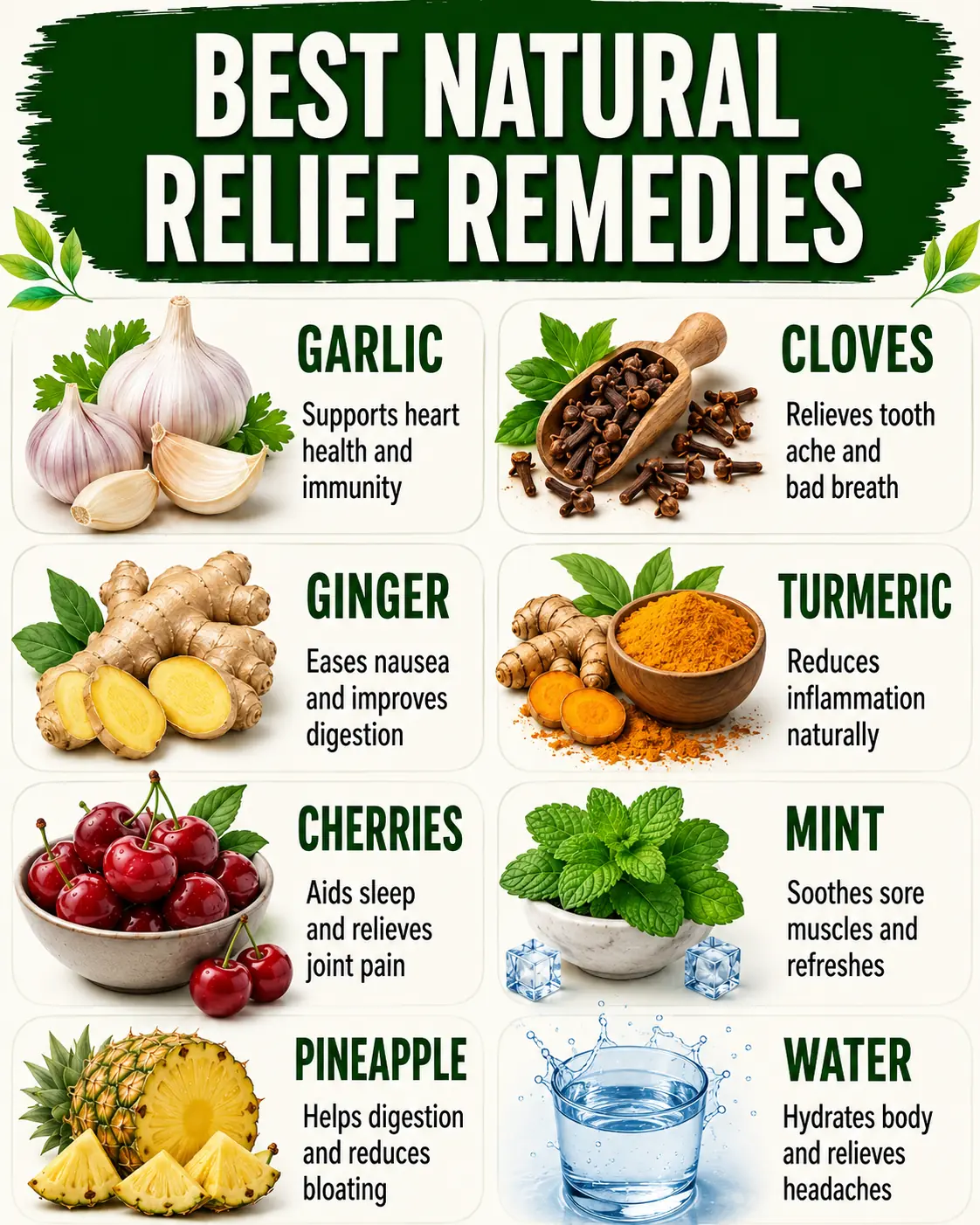
Natural Anti-Inflammatories That Really Work (And Why You Might Want to Rethink Ibuprofen)
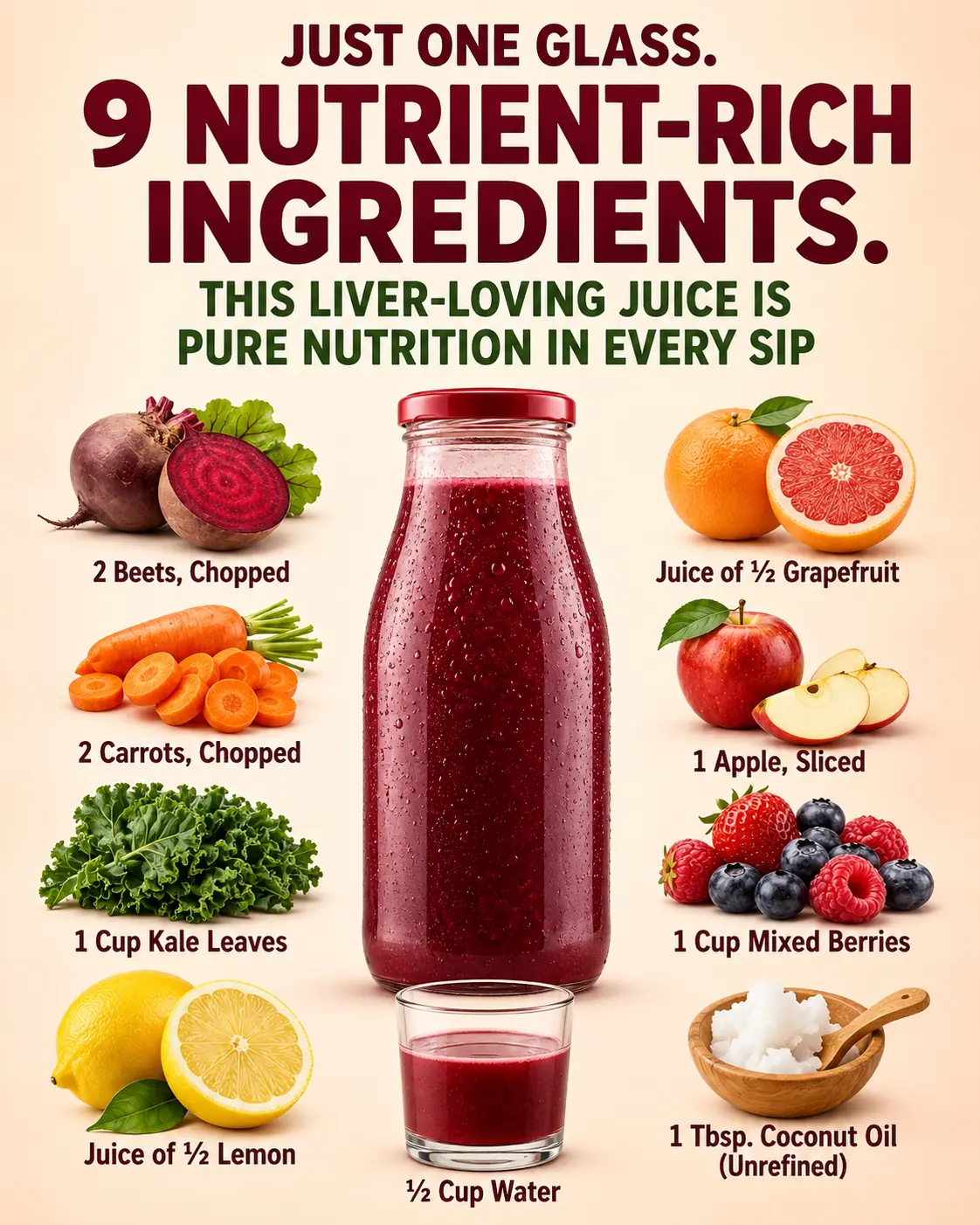
The Ultimate Liver Cleansing Super Detox Juice (or Smoothie)
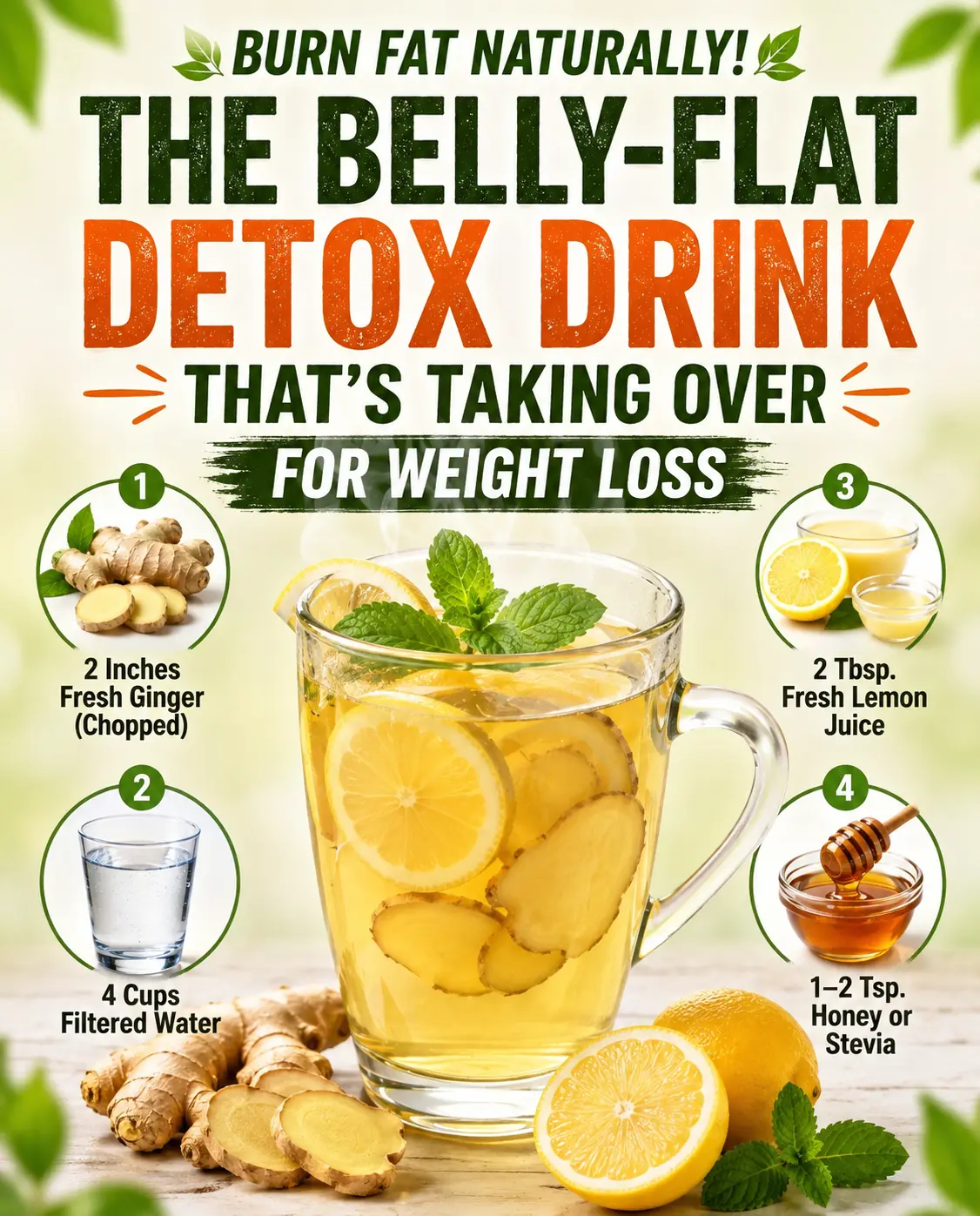
How to Lose Weight and Belly Fat with Ginger (Evidence Based)

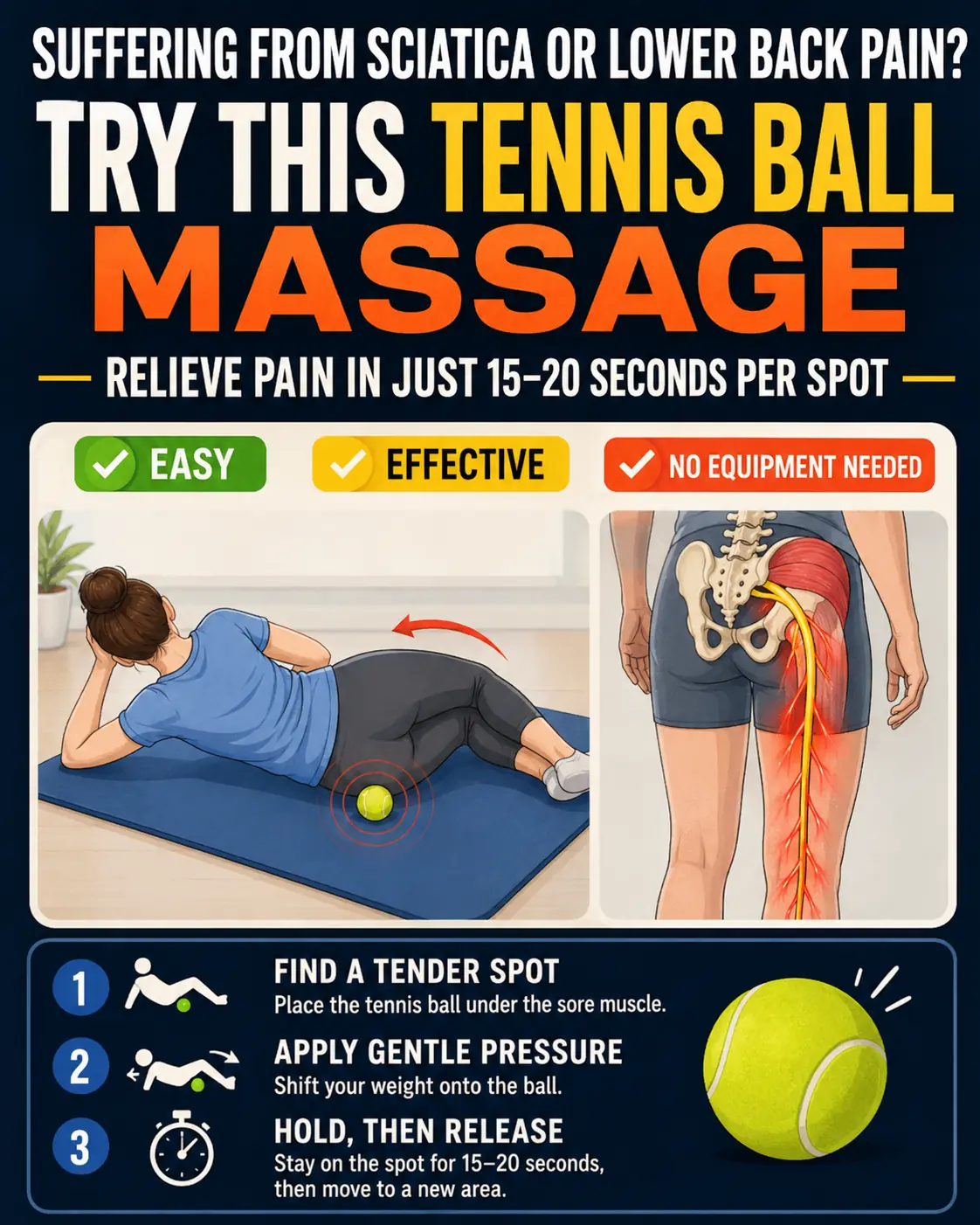
How to Use Tennis Ball to Relieve Sciatic Pain and Back Pain (Evidence Based)



Natural Anti-Inflammatories That Really Work (And Why You Might Want to Rethink Ibuprofen)
The Ultimate Liver Cleansing Super Detox Juice (or Smoothie)
How to Lose Weight and Belly Fat with Ginger (Evidence Based)