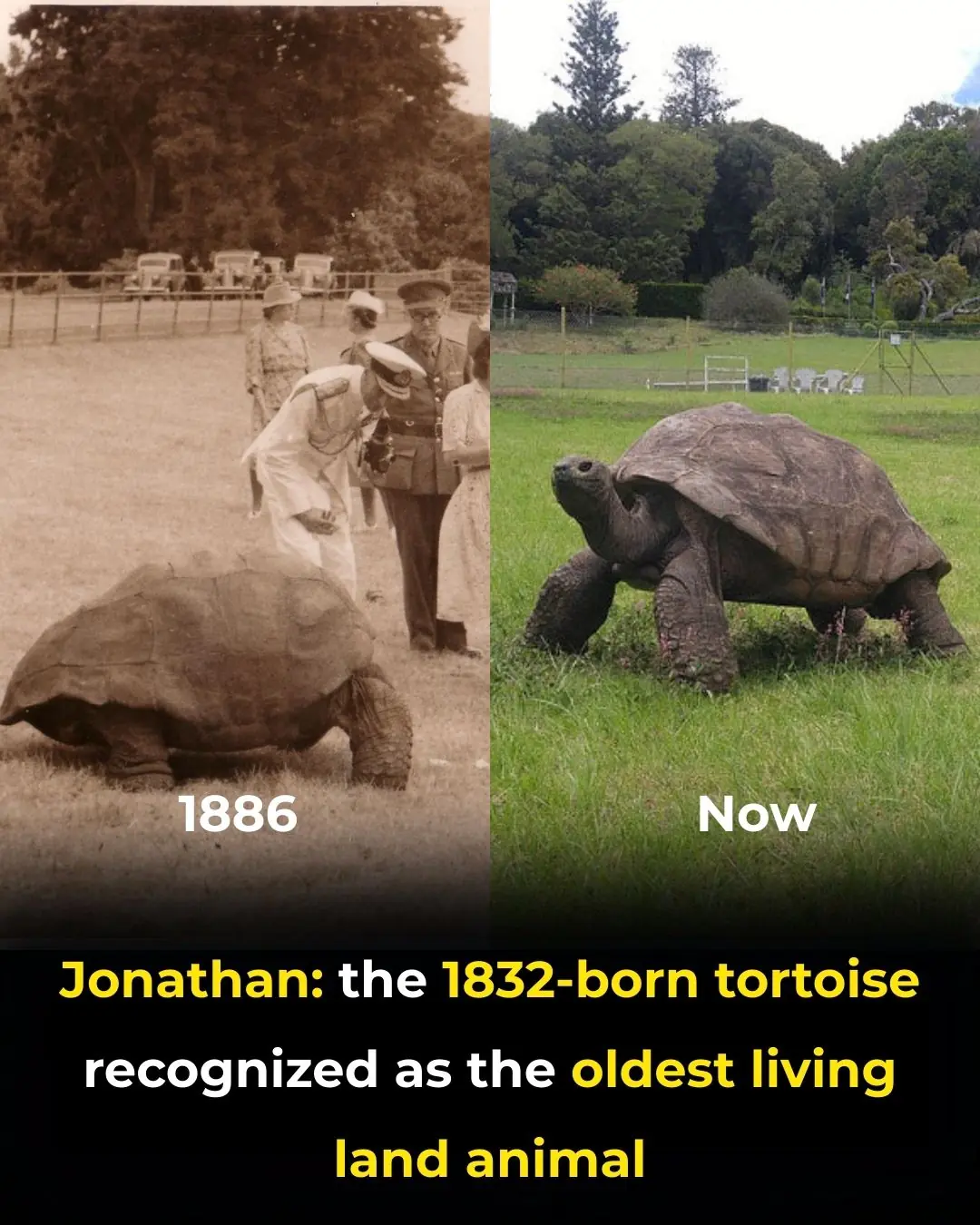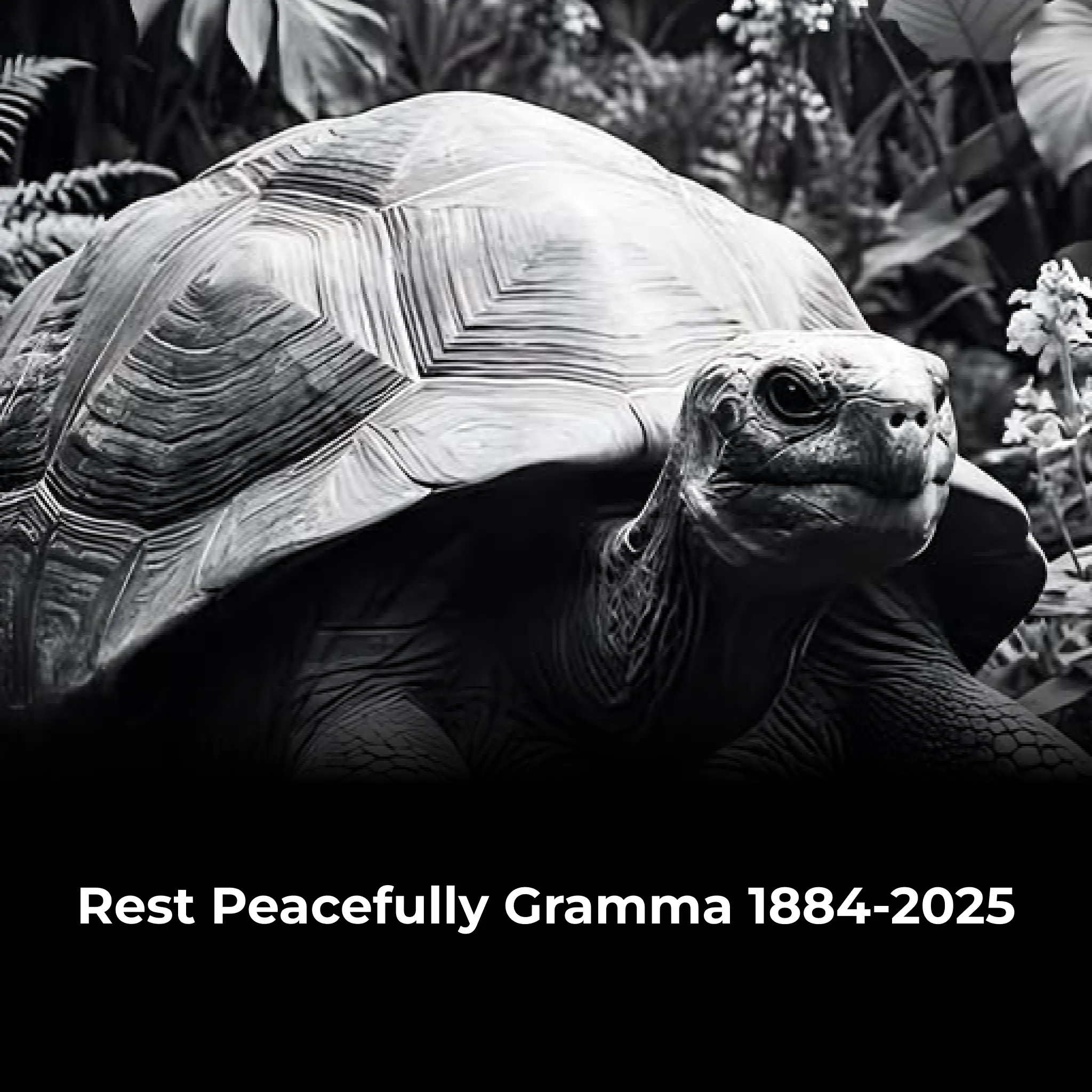
Gramma the Tortoise: A Remarkable Life Spanning Three Centuries
Facts 16/12/2025 00:28
In Belgium, a remarkable shift in how communities access fresh food is taking place, thanks to a growing number of "pay what you can" markets held every Sunday. These events are revolutionizing the concept of food distribution, offering a refreshing alternative to the traditional pricing system. Every week, unsold produce from local farms, grocery stores, and bakeries is collected and brought to pop-up stalls set up in public spaces like parks and town squares. The key feature of these markets is that there are no fixed prices; instead, a simple sign encourages visitors to pay whatever they can afford or take what they need without feeling embarrassed.
This initiative, run by local volunteers and food cooperatives, is a multifaceted effort to address food waste, promote sustainability, and ensure dignity for everyone involved. The underlying goal is not only to reduce the amount of food that ends up in landfills but also to create an environment where those who may be struggling financially can still access fresh produce, dairy, bread, and other essentials without having to explain their circumstances. In this way, the market helps families facing hardship while also fostering a sense of community and support.
The concept of the “pay what you can” market is based on trust and solidarity. It encourages contributions, not just in monetary terms but also through social engagement. Many elderly residents, for example, often donate a little extra to help balance the system. This collective effort ensures that no one leaves empty-handed, and what’s left at the end of the day is either composted or redistributed to local shelters, closing the loop in a way that minimizes waste and supports those in need.
These markets are designed to feel vibrant and welcoming, not like traditional food banks. They offer an atmosphere of warmth and community with music playing in the background, coffee being served, and recipe ideas shared amongst visitors. Rather than being a place for charity, these markets create an environment where everyone can enjoy the experience of choosing food freely, regardless of their financial situation. The focus is on abundance, not scarcity — the belief that when food is rescued from waste, there is more than enough to go around.
What makes this Belgian model particularly inspiring is how it transforms the idea of surplus into solidarity. It challenges the conventional view of food as a commodity and instead reframes it as a shared resource meant to nourish everyone. By putting community at the forefront, it encourages people to think differently about how we approach access to food. Feeding each other becomes not just a charitable act but a weekly ritual of mutual care and respect. The “pay what you can” market embodies a reset in our societal values, offering a way to ensure that everyone can enjoy the freedom of accessing fresh food, without the stigma of needing assistance.
This model, which emphasizes cooperation, sustainability, and inclusivity, is a step toward reimagining how we can create systems that promote both social justice and environmental responsibility. It’s not just about feeding the hungry; it’s about creating a culture of sharing and abundance, where food is seen as something that brings people together rather than divides them by class or status.
The initiative also reinforces the importance of local food systems and the role that communities play in creating a more resilient and sustainable food network. In a time when global food systems are increasingly vulnerable to environmental pressures, this model highlights the importance of local solutions that can offer both economic and social benefits.
Moreover, this Belgian initiative has the potential to inspire similar projects globally. By demonstrating that community-driven efforts can tackle food insecurity, waste, and inequality, it sets an example for other countries looking for sustainable alternatives to traditional food distribution methods. As the concept continues to grow, it’s clear that "pay what you can" markets represent a fundamental shift in the way we think about food—moving from a transactional model to one based on community, trust, and mutual support.
Sources:
European Commission, "Food Waste in Europe: A Growing Concern"
Food Tank, "Belgium’s Pay What You Can Market: A Model for Food Equity"
The World Economic Forum, "How Community Markets Are Redefining the Future of Food"