Chappell Roan deletes Brigitte Bardot tribute after discovering late star's 'insane' beliefs
News 01/01/2026 18:41
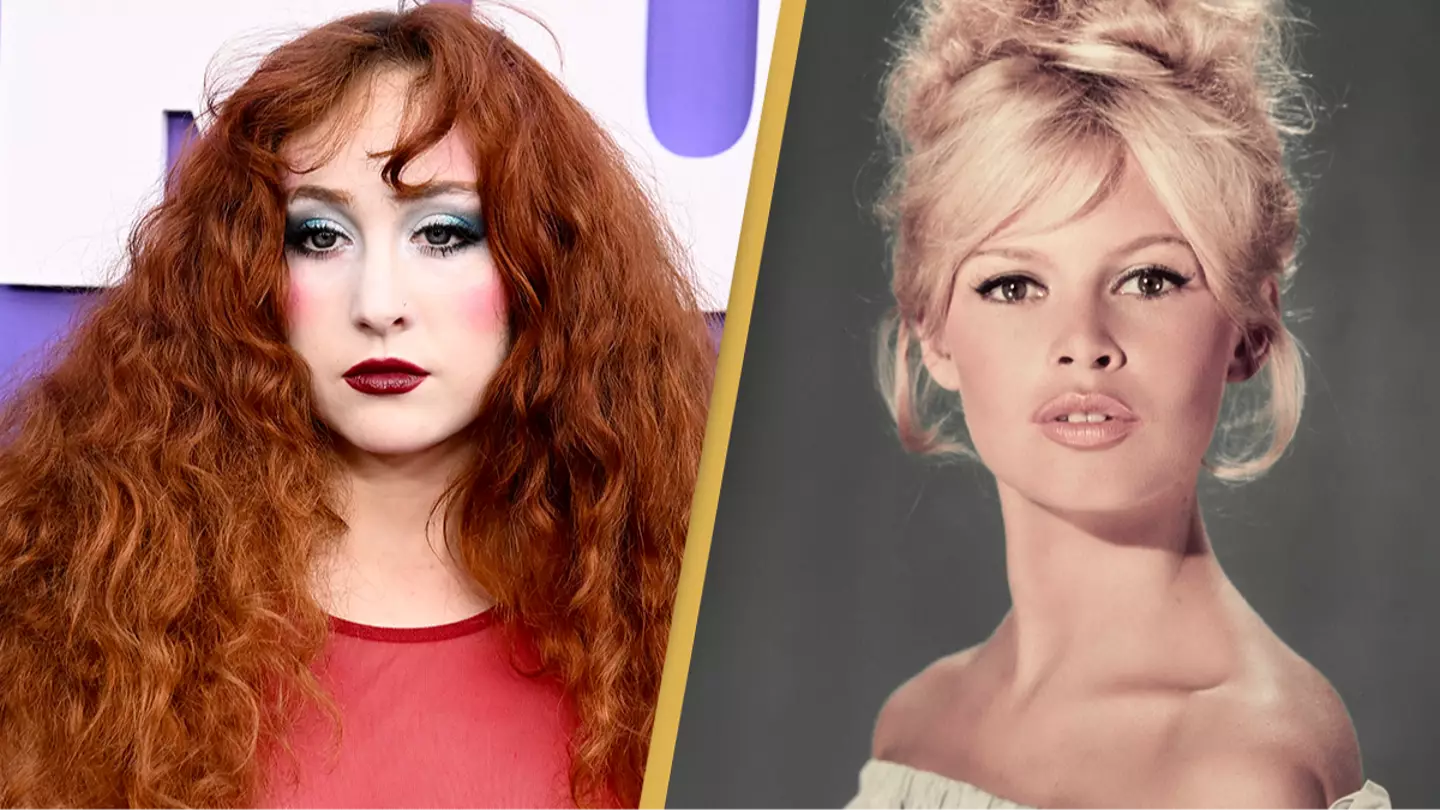
The death of a cultural icon often triggers collective reflection, nostalgia, and tribute. However, in the digital age, such moments also invite rapid reassessment of historical figures through contemporary moral lenses. This tension was recently illustrated when Chappell Roan deleted a public tribute to Brigitte Bardot after learning more about the late star’s controversial political and social beliefs. The incident highlights broader questions about celebrity legacy, ethical responsibility, and the evolving expectations placed on public figures in an era of heightened social awareness.
Brigitte Bardot remains one of the most influential cultural symbols of 20th-century French cinema. Celebrated for redefining femininity, sexuality, and female autonomy on screen, Bardot later abandoned acting to dedicate her life to animal welfare. Yet her legacy is deeply complicated by decades of documented far-right views, including multiple convictions for inciting racial hatred and public statements disparaging marginalized communities. This duality—artistic influence alongside ethically troubling beliefs—poses a recurring dilemma in cultural memory.
Chappell Roan’s initial tribute framed Bardot as a creative inspiration, referencing Bardot’s symbolic presence in Roan’s music. However, upon discovering Bardot’s political positions, Roan publicly retracted her statement, clarifying that she did not condone those beliefs. This reversal underscores the speed and visibility with which moral accountability now operates, particularly on social media platforms where statements are instantly scrutinized and contextualized.
Scholars of media studies argue that celebrity figures function not only as entertainers but as moral symbols within society. When new information challenges the perceived values of these figures, audiences and fellow artists may feel compelled to respond publicly. Research on “moral dissonance” suggests that individuals experience discomfort when admiring someone whose values conflict with their own, often leading to distancing behaviors such as disavowal or revision of prior praise (Monin et al., 2008, Psychological Science).
The phenomenon also reflects the broader dynamics of what is commonly referred to as “cancel culture,” though academic literature frames it more precisely as collective moral reevaluation. According to cultural sociologists, public reassessment of historical figures is not inherently punitive but is part of an ongoing negotiation of social norms and values (Ng, 2020, Communication and the Public). In this context, Roan’s decision to delete her tribute can be interpreted not as an attack on Bardot’s artistic legacy, but as an attempt to align her own public identity with contemporary ethical standards.
Importantly, Bardot’s case illustrates how legacy is rarely singular. Media scholars emphasize that cultural figures can simultaneously hold progressive influence in one domain and regressive views in another. The challenge lies in acknowledging artistic impact without erasing or excusing harm (Rojek, 2012, Celebrity and Power). Roan’s response reflects a growing expectation that admiration should be accompanied by informed awareness, particularly among younger generations of artists and audiences.
Social media intensifies this process by collapsing time between reaction, reflection, and correction. Studies on digital communication show that public figures are increasingly expected to respond transparently when confronted with new information, reinforcing norms of accountability (Marwick & boyd, 2011, New Media & Society). Roan’s candid admission of disappointment aligns with this expectation, signaling a preference for ethical consistency over silent revision.
In conclusion, the episode surrounding Chappell Roan and Brigitte Bardot illustrates the complexities of honoring cultural icons in a morally evolving society. It demonstrates how legacy is not static but continuously renegotiated as values shift and information circulates. Rather than diminishing art, such reassessments may encourage more nuanced conversations about history, responsibility, and the standards by which admiration is granted. In an age where influence extends far beyond the stage or screen, the question is no longer whether artists should be scrutinized—but how thoughtfully that scrutiny is applied.