Choose A Grandma And See What Kind Of Old Lady You Will Be.
Facts 28/05/2026 20:48
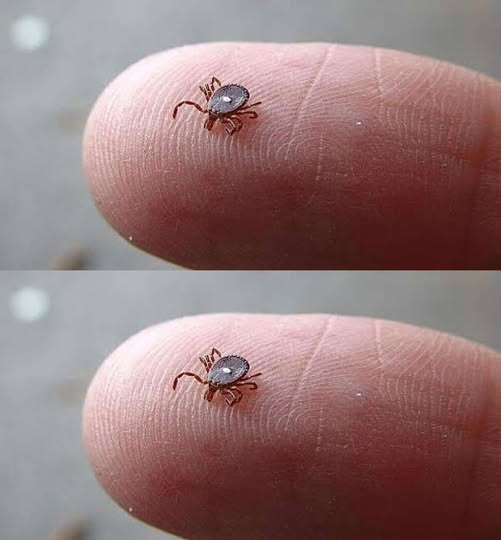
What you found on your son’s leg is very likely a tick, and the detail you noticed—the distinct white spot—is actually an important clue that helps identify the specific type.
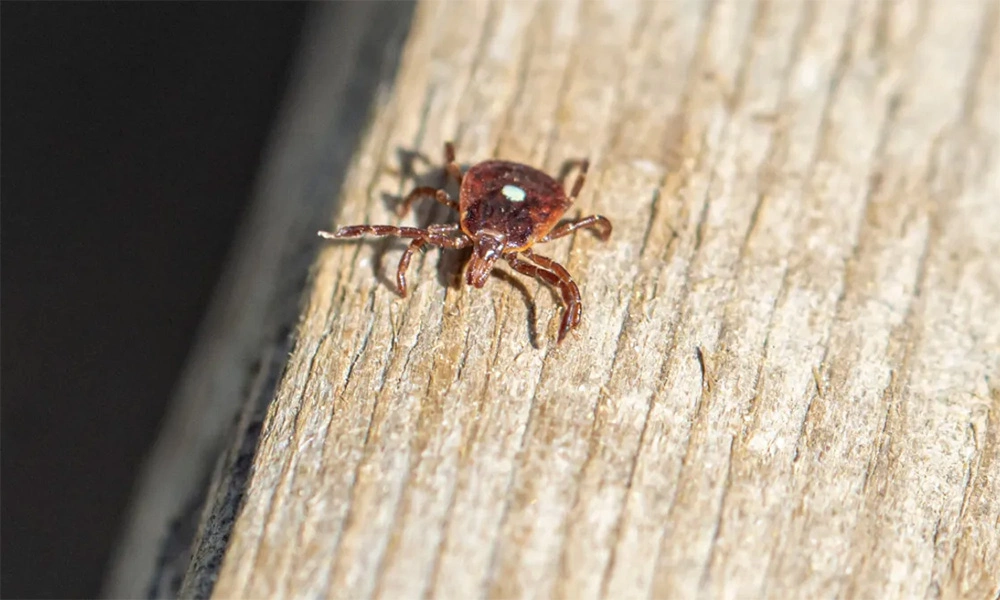
Based on that description, it strongly matches a species commonly known as the lone star tick.
The lone star tick is named after the single white or silvery spot that appears on the back of adult females.
This marking can make it look unusual or even alarming compared to other ticks, especially if you are not familiar with it. It is not a sign that the tick is mutated or more dangerous in appearance, but it does indicate a specific species that carries its own set of risks and characteristics.
To understand whether you should be worried, it helps to break the situation down into a few key factors: what the tick is, how it behaves, and what potential health concerns it may carry.
First, the presence of a tick after a walk in the woods is not unusual.
Ticks live in grassy, wooded, and humid environments.
They wait on vegetation and attach themselves to humans or animals that brush past.
Children are especially vulnerable because they often play close to the ground, sit in grass, or explore areas where ticks are more active.
Second, the lone star tick is known for being aggressive compared to other tick species. Instead of passively waiting, it can actively seek out hosts.
That means it is not uncommon to find one crawling on the skin before it has attached, which may be exactly what happened in your case.
If it was still crawling and had not bitten yet, that is a much lower-risk situation.
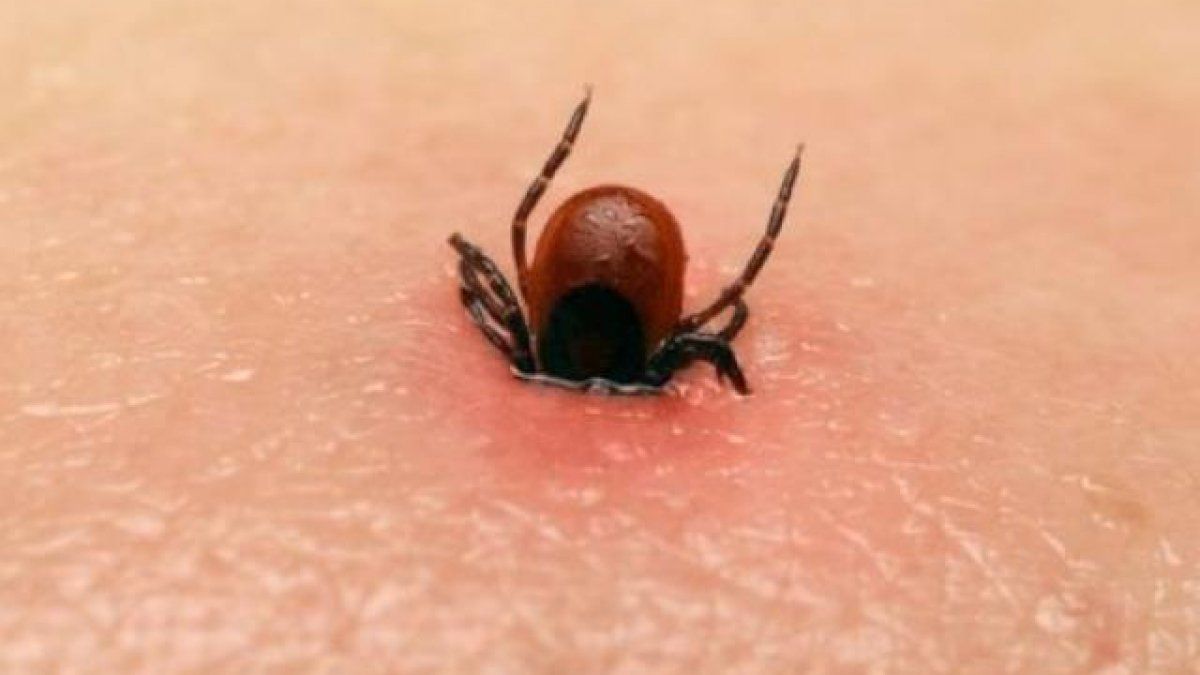
However, if the tick had already attached and begun feeding, then there are a few health concerns to consider.
Unlike some other ticks, the lone star tick is not the primary carrier of Lyme disease. That said, it is associated with other conditions that can still be serious.
One of the most well-known is a condition called alpha-gal syndrome. This is a type of allergic reaction that can develop after a bite from this tick. It can cause people to become allergic to red meat and other animal products.
The reaction does not happen immediately in most cases, which makes it confusing and often overlooked at first. People may develop symptoms weeks later, such as hives, stomach pain, or difficulty breathing after eating certain foods.
In addition to that, lone star ticks can carry bacteria that cause illnesses like ehrlichiosis. Symptoms of such infections may include fever, fatigue, muscle aches, and headaches. These symptoms usually appear within days to a couple of weeks after a bite, so it is important to monitor your son closely during that time.
Now, whether you should be worried depends on a few specific details.
If the tick was crawling and not attached, the risk is minimal. In that case, simply removing it and washing the area is usually enough. You should still keep an eye on your son for any unusual symptoms over the next couple of weeks, but there is no immediate cause for panic.
If the tick was attached, then the situation requires more attention. The longer a tick stays attached, the higher the chance it can transmit pathogens. If you removed it quickly and properly, the risk is still relatively low, but not zero.
Proper removal is very important. The safest method is to use fine-tipped tweezers to grasp the tick as close to the skin as possible and pull it out steadily without twisting. Crushing the tick or leaving parts embedded in the skin can increase irritation or infection risk.
After removal, the area should be cleaned with soap and water or an antiseptic. It is also a good idea to keep the tick in a sealed container for identification, especially if symptoms develop later.
Over the following days and weeks, you should watch for signs such as redness or rash at the bite site, fever, unusual tiredness, joint pain, or any allergic reactions. If any of these appear, it is important to seek medical advice and mention the tick exposure clearly.
Another factor to consider is your geographic location. Lone star ticks are more common in certain regions, particularly in warm and humid climates. If you are in an area where they are known to live, that increases the likelihood that your identification is correct and also means healthcare providers may be more familiar with related illnesses.
It is also worth noting that not every tick bite leads to illness. In fact, most do not. The body’s immune system often handles minor exposures without any issue. The key is awareness and early response if something unusual develops.
In terms of prevention going forward, there are a few practical steps you can take. When going into wooded or grassy areas, wearing long sleeves and long pants can reduce skin exposure. Light-colored clothing makes it easier to spot ticks. Using insect repellent and checking the body thoroughly after outdoor activities are also very effective habits.
Pay special attention to areas like behind the knees, around the waist, under the arms, and along the hairline, as ticks tend to hide in warm, protected spots.
To summarize, what you found is indeed a tick, most likely a lone star tick based on the white spot. It is understandable to feel alarmed, but the situation is manageable. If the tick was not attached, the risk is very low. If it was attached, there is some risk, but it does not mean something bad will definitely happen. Monitoring for symptoms and acting quickly if they appear is the most important step.
Staying calm, informed, and observant will help you handle this situation safely and confidently.