The Real Causes of Constant Phlegm and Mucus in the Throat — And How to Get Rid of It
Health 21/07/2026 02:10
Cabbage is a nutritious vegetable that's low in calories and rich in vitamins, minerals, fiber, and beneficial plant compounds. It's commonly included in healthy eating plans because it may support digestion, heart health, and overall wellness.
However, like many foods, cabbage isn't the best choice for everyone in every situation. Certain people may need to eat it in moderation or prepare it differently.
Here are four groups who may want to be a little more cautious.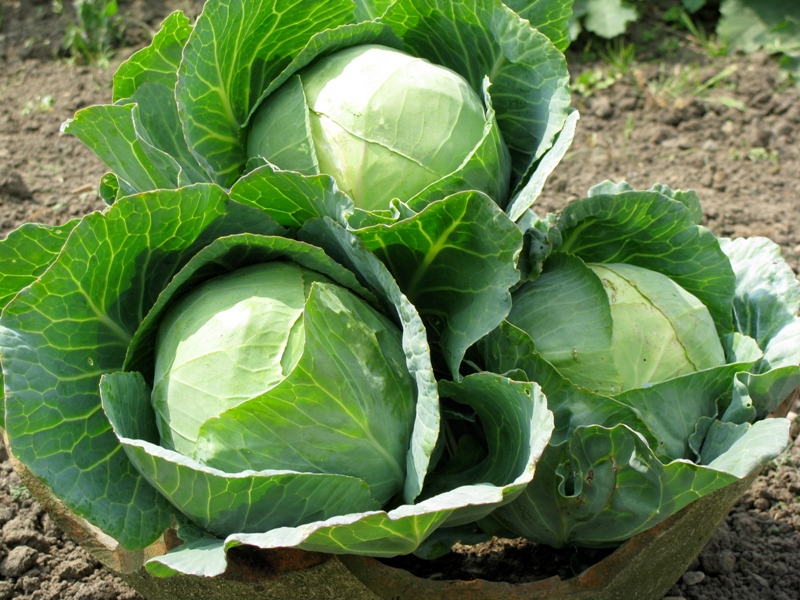
Cabbage belongs to the cruciferous vegetable family, along with broccoli, cauliflower, and kale.
When eaten in very large amounts—especially raw—these vegetables contain naturally occurring compounds called goitrogens, which may interfere with the body's ability to use iodine. In people who already have iodine deficiency or certain thyroid disorders, this could potentially affect thyroid function.
The good news is that cooking cabbage significantly reduces these compounds, and moderate portions are generally considered safe for most people. If you have a thyroid condition, ask your healthcare provider whether any dietary adjustments are appropriate for you.
Although cabbage is high in fiber, it also contains certain carbohydrates that can be fermented by gut bacteria.
For some people, especially those with irritable bowel syndrome (IBS) or sensitive digestion, eating large amounts of cabbage may lead to:
Bloating
Gas
Abdominal discomfort
Mild stomach cramps
If this happens, try eating smaller portions or choosing cooked cabbage instead of raw, as many people find it easier to digest.
Cabbage is an excellent source of vitamin K, an important nutrient involved in normal blood clotting.
If you take blood-thinning medications such as warfarin, it's important not necessarily to avoid cabbage, but to keep your vitamin K intake consistent from week to week. Sudden large increases or decreases in vitamin K-rich foods can affect how these medications work.
Never stop eating vegetables without discussing your diet with the healthcare professional managing your medication.
True cabbage allergies are uncommon, but they can occur.
Possible symptoms may include:
Itching or swelling of the mouth
Skin rash or hives
Digestive upset
Difficulty breathing (in severe cases)
Anyone who develops symptoms after eating cabbage should stop consuming it and seek medical advice. Severe allergic reactions require emergency medical care.

For most healthy adults, cabbage can be a valuable part of a balanced diet.
It provides:
🥬 Dietary fiber to support digestive health
💚 Vitamin C, which helps support immune function
🦴 Vitamin K for normal blood clotting and bone health
🫀 Antioxidants and plant compounds that may help protect cells from oxidative stress
Whether eaten raw in salads, lightly steamed, stir-fried, or added to soups, cabbage offers plenty of nutritional benefits when enjoyed as part of a varied diet.

Wash cabbage thoroughly before preparing it.
Cook it if raw cabbage causes digestive discomfort.
Avoid eating excessive amounts of any single food every day.
Pair cabbage with a variety of vegetables for a more balanced nutrient intake.
If you have an existing medical condition or take prescription medications, ask your healthcare provider if you have specific dietary considerations.
Cabbage is a healthy vegetable for most people, but individual needs can vary. Those with thyroid disorders, digestive sensitivities, certain medication regimens, or food allergies may benefit from taking a little extra care.
Rather than avoiding cabbage altogether, the goal is usually to eat it in appropriate portions and prepare it in a way that suits your individual health needs. If you're unsure whether cabbage is right for you, consult a qualified healthcare professional for personalized advice.