As we grow older, many people begin to notice changes in their bodies — especially in their legs. Weakness, stiffness, and nighttime cramps can suddenly become frequent companions. Even small movements may feel surprisingly exhausting.
While aging certainly plays a role, these symptoms are not simply an unavoidable part of getting older. In many cases, they are closely linked to nutritional deficiencies. The body gradually absorbs nutrients less efficiently with age, and dietary habits often change as well.
The encouraging news? Targeted nutritional support can significantly improve muscle strength, reduce cramping, and enhance overall mobility. Below are eight essential nutrients that can help support stronger, healthier legs — along with practical ways to include them in your daily routine.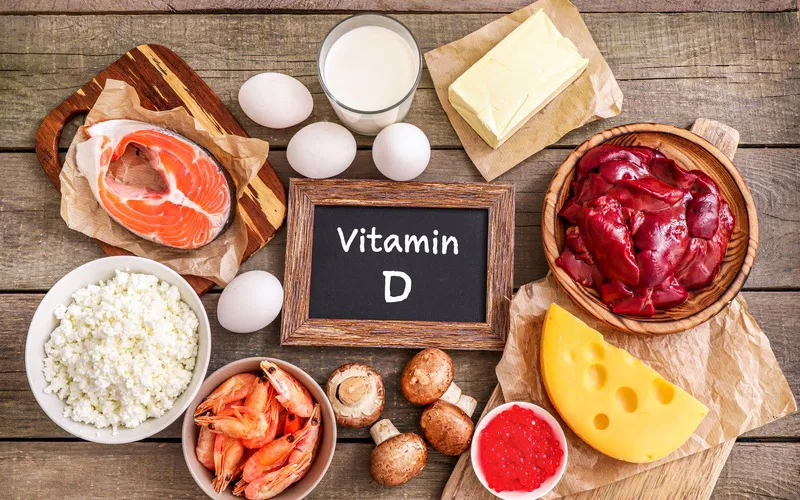
1. Vitamin D – The Strength Stabilizer
According to the National Health Service (NHS), vitamin D helps regulate calcium and phosphate levels in the body — two minerals essential for maintaining healthy bones, teeth, and muscles.
Research suggests that nearly 60% of older adults have insufficient vitamin D levels. Deficiency may contribute to muscle weakness, poor balance, and a higher risk of falls. Studies indicate that taking 800–2000 IU of vitamin D3 daily may reduce fall risk by up to 25%.
In addition to supplements, vitamin D can be increased through safe sun exposure and by eating fatty fish such as salmon, mackerel, and sardines.
2. Magnesium – Nature’s Muscle Soother
Magnesium plays a crucial role in muscle relaxation and nerve signaling. A deficiency can cause muscles to contract improperly, triggering cramps — especially at night.
At the cellular level, magnesium helps regulate calcium movement in muscle cells, preventing excessive contraction. For most adults, the recommended intake ranges from 320 to 420 mg per day.
Excellent dietary sources include spinach, pumpkin seeds, avocado, edamame, tofu, almonds, and chia seeds. Magnesium glycinate or citrate supplements are also commonly used when dietary intake is insufficient.
3. Vitamin B12 – The Nerve Connector
Vitamin B12, also known as cobalamin, is essential for nerve function and red blood cell production. Along with vitamins B1 and B6, it helps repair nerve damage and reduce symptoms such as numbness, tingling, or burning sensations in the legs.
Older adults are particularly vulnerable to B12 deficiency due to decreased stomach acid, which is necessary for absorption. Good sources include eggs, dairy products, fish, and fortified cereals. In some cases, sublingual tablets or injections may be recommended.
4. Collagen – The Structural Support
Collagen is the most abundant protein in the human body. It provides structure to connective tissues, tendons, ligaments, cartilage, and skin. As we age, collagen production declines, reducing joint cushioning and contributing to stiffness or discomfort.
Hydrolyzed collagen peptides are easier for the body to absorb, especially when taken with vitamin C, which enhances collagen synthesis. Bone broth, chicken skin, and oily fish are also natural sources. Supporting collagen intake may improve joint flexibility and overall leg comfort.
5. Omega-3 Fatty Acids – Inflammation’s Opponent
Chronic low-grade inflammation can contribute to muscle soreness and reduced mobility. A study published in American Heart Association’s journal Circulation Research found that omega-3 fatty acids from fish oil may reduce inflammation by increasing protective molecules in the bloodstream.
Sardines, wild-caught salmon, algae-based oils, and high-quality fish oil supplements (often enriched with vitamin E for stability) are excellent sources. Regular intake may help support circulation and muscle recovery.
6. Zinc – The Muscle Builder
According to Healthline, zinc plays a key role in immune function, skin health, and cellular growth. It also acts as an antioxidant, protecting muscle cells from oxidative stress that can contribute to fatigue and weakness.
Adults typically need 15–30 mg of zinc daily. Rich sources include oysters, grass-fed meats, pumpkin seeds, and legumes. Maintaining adequate zinc levels supports both muscle repair and immune resilience.
7. Vitamin K2 – The Calcium Traffic Controller
Vitamin K2 helps direct calcium into the bones where it belongs, preventing it from accumulating in blood vessels or soft tissues. This balance is particularly important when supplementing with vitamin D.
A daily intake of 100–200 mcg of MK-7 (a long-lasting form of K2) is often recommended. Natural sources include natto (fermented soybeans), aged cheeses, and butter from grass-fed cows.
8. Selenium – The Cellular Defender
Selenium supports the enzyme glutathione peroxidase, one of the body’s most powerful antioxidant defenses. It also plays a key role in thyroid function, which influences metabolism and muscle performance.
Just two Brazil nuts per day can provide the full recommended daily intake. For enhanced antioxidant protection, selenium is often paired with vitamin E.
Final Thoughts
Leg weakness and cramps are common, but they are not simply a “normal” part of aging. Often, they signal that the body needs better nutritional support.
By ensuring adequate intake of these essential nutrients — through balanced meals, safe supplementation, and lifestyle adjustments — older adults can improve strength, mobility, and overall quality of life.
Before starting any supplement regimen, it is advisable to consult a healthcare professional, especially for individuals managing chronic conditions or taking medications.
With the right nutritional strategy, staying active and confident at any age becomes far more achievable.