Understanding the Body After 70
Health 03/03/2026 22:48
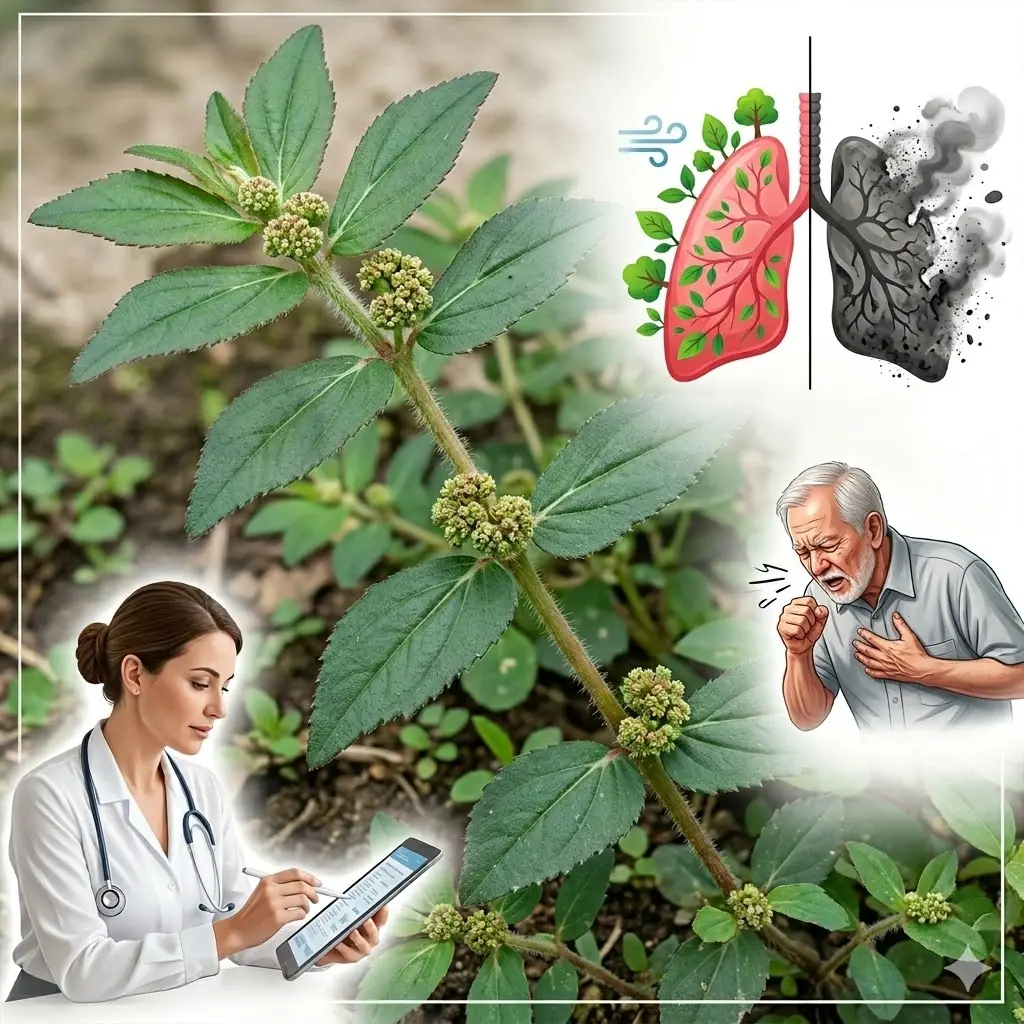
What if a simple wild plant growing quietly in backyards and open fields held the secret to easier breathing, greater comfort, and stronger daily resilience?
That plant is Euphorbia hirta, often called the Asthma Plant. For centuries, it has been valued in traditional wellness practices across Asia, Africa, and tropical regions around the world. Known by names such as Snakeweed, Tawa-tawa, and Gatas-gatas, this modest-looking herb has earned a lasting reputation for supporting respiratory comfort, balance, and overall well-being.
Today, as interest in plant-based wellness continues to grow, Euphorbia hirta is being rediscovered—not as a miracle cure, but as a gentle, time-honored ally that bridges traditional wisdom with modern curiosity.
Let’s explore why this plant is considered a hidden gem, its traditionally recognized benefits, and how it has been used safely over generations.
Euphorbia hirta is far more than a common weed. Traditional healers have relied on it for generations due to its rich profile of naturally occurring plant compounds, including:
Flavonoids, known for antioxidant support
Triterpenoids, associated with balance and resilience
Tannins, traditionally valued for digestive and soothing properties
Because of this diverse composition, the plant has been used in traditional systems to support multiple body systems—especially the lungs, digestion, and immune balance.
Its appeal lies in its gentle, whole-plant approach, rather than aggressive or stimulating effects.
Euphorbia hirta is most famously associated with respiratory wellness, which is why it earned the nickname Asthma Plant in many cultures.
In traditional use, it has been prepared as a warm herbal infusion to help:
Support relaxed airways
Promote smoother airflow
Ease occasional chest tightness or coughing
Many people describe the experience of drinking a warm Euphorbia hirta tea as soothing—especially during seasonal changes or times of environmental irritation.
Traditional practices also recognize Euphorbia hirta for its role in supporting the body’s natural inflammatory balance.
It has been used to:
Ease occasional joint or muscle discomfort
Support recovery after physical strain
Provide comfort during monthly tension
Whether taken as tea or applied externally in traditional preparations, the plant has long been associated with a calming, grounding effect.
In several traditional systems, Euphorbia hirta has been used as part of women’s wellness routines.
Historically, it has been associated with:
Supporting natural menstrual rhythm
Easing occasional cramping or discomfort
Promoting overall balance during monthly cycles
Many women value it as a gentle, plant-based option that aligns with holistic self-care traditions.
Euphorbia hirta has also been traditionally valued for helping the body maintain resilience.
Its naturally occurring plant compounds are believed to:
Support immune balance
Help the body respond to everyday environmental stressors
Contribute to overall vitality when used mindfully
Rather than overstimulating the immune system, traditional use emphasizes regulation and balance.
Digestive support is another area where Euphorbia hirta has been traditionally applied.
It has been used to:
Soothe occasional digestive upset
Support gut comfort during times of imbalance
Promote digestive calm after meals
A warm herbal infusion is often described as comforting and grounding for the stomach.
A gentle option for respiratory, digestive, and general wellness support.
Traditional preparation:
Rinse fresh or dried leaves thoroughly
Simmer 1–2 teaspoons of leaves in one cup of water for 5–10 minutes
Strain and allow to cool slightly
Enjoy warm, often after meals
👉 Traditionally consumed once or twice daily for short periods.
Used in folk practices for localized comfort.
How it’s prepared:
Crush fresh leaves into a smooth paste
Apply gently to the desired area
Leave for 20–30 minutes, then rinse
👉 Typically used a few times per week.
Use in moderation and start with small amounts
Avoid during pregnancy or breastfeeding unless guided by a professional
Consult a qualified healthcare provider if taking medications or managing chronic conditions
Intended for general wellness support, not medical treatment
Preparing Euphorbia hirta tea or working with its leaves is more than a wellness habit—it’s a connection to generations of traditional healers who trusted the quiet power of plants.
For those seeking natural respiratory comfort, digestive ease, or a deeper connection to herbal wisdom, Euphorbia hirta represents something rare: a humble plant with a long memory of healing traditions.
🌿 Sometimes, the most meaningful wellness support doesn’t come from complexity—but from rediscovering what nature has always provided.