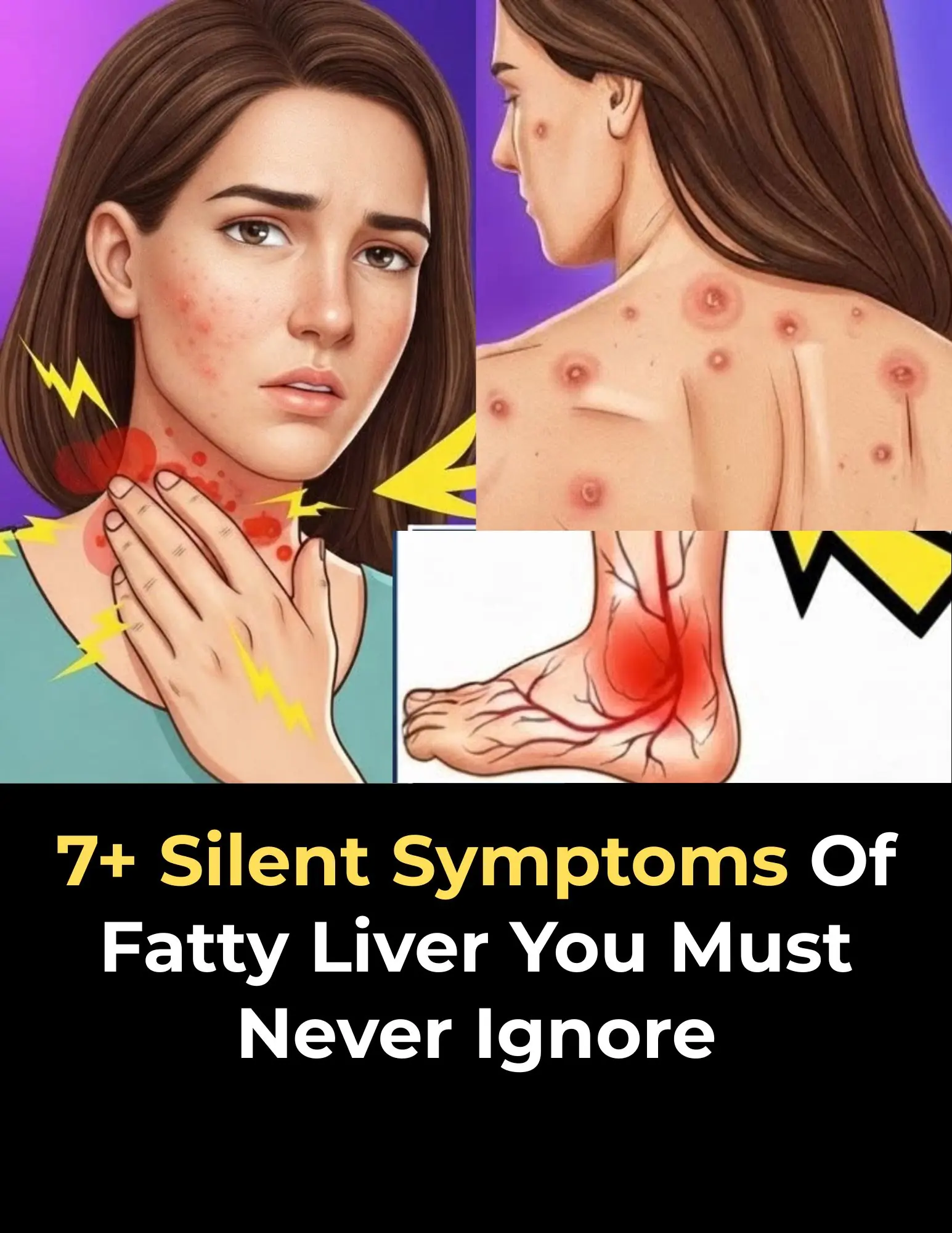
Fatty Liver Disease: 6 Warning Signs You Should Never Ignore
Don't Ignore These 6 Symptoms - They Could Be Signs of Fatty Liver Disease
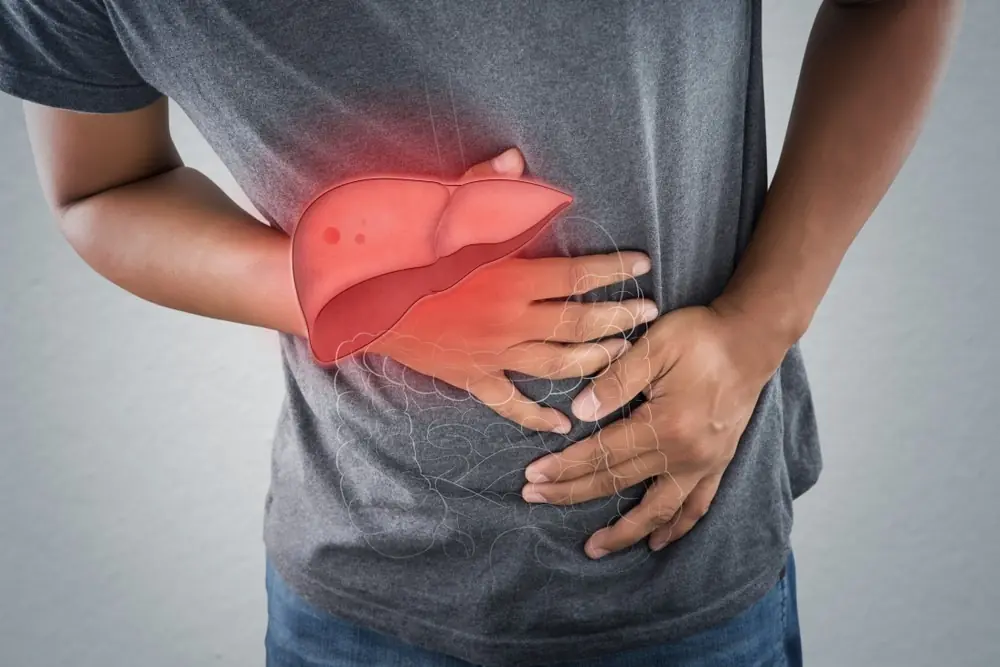
Fatty liver disease has become one of the most common liver conditions worldwide. It occurs when excess fat accumulates in liver
cells, interfering with the organ's ability to function properly. In many cases, the condition develops gradually and silently, often
causing few or no symptoms during its early stages.
The liver is responsible for hundreds of essential functions, including filtering toxins, processing nutrients, producing bile, regulating
blood sugar, and supporting metabolism. When fat begins to build up in the liver, these important processes can be affected over time.
One of the biggest challenges with fatty liver disease is that many people do not realize they have it until routine blood tests or
imaging scans reveal a problem. However, as the condition progresses, certain warning signs may begin to appear.
Recognizing these symptoms early can help individuals seek medical advice and make lifestyle changes that may improve liver health
These symptoms may indicate more serious liver damage and require prompt medical evaluation.
Risk Factors for Fatty Liver Disease
Several factors increase the likelihood of developing fatty liver disease.
Obesity
Excess body fat, especially around the abdomen, is one of the strongest risk factors.
Type 2 Diabetes
Insulin resistance is closely linked to fat accumulation in the liver.
High Cholesterol and Triglycerides
Abnormal blood lipid levels can contribute to fatty liver development.
Sedentary Lifestyle
Lack of physical activity increases the risk of metabolic disorders.
Poor Dietary Habits
Diets high in:
Added sugars
Refined carbohydrates
Processed foods
may contribute to liver fat accumulation.
Excessive Alcohol Consumption
Alcohol places significant stress on liver cells and can promote fat buildup.
Why Fatty Liver Disease Is Often Called a Silent Condition
Many individuals with fatty liver disease feel completely healthy.
In fact, some people live with the condition for years before receiving a diagnosis.
Because symptoms may be absent or mild, routine medical care becomes especially important.
Healthcare providers often detect fatty liver disease through:
Blood tests
Ultrasound examinations
CT scans
MRI scans
Early identification allows for earlier intervention.
Can Fatty Liver Disease Be Reversed?
In many cases, early-stage fatty liver disease can improve significantly through lifestyle changes.
Weight Management
Even modest weight loss may reduce liver fat.
Regular Exercise
Physical activity helps improve insulin sensitivity and metabolic health.
Healthy Eating
A diet rich in:
Vegetables
Fruits
Whole grains
Lean proteins
Healthy fats
can support liver function.
Limiting Alcohol
Reducing or eliminating alcohol intake may help protect the liver.
Managing Medical Conditions
Proper control of diabetes, cholesterol, and blood pressure can reduce liver stress.
Foods That May Support Liver Health
Although no single food can cure fatty liver disease, certain dietary choices may support overall liver function.
Examples include:
Leafy Greens
Spinach
Kale
Arugula
Fatty Fish
Salmon
Sardines
Mackerel
Berries
Rich in antioxidants that help protect cells.
Nuts
Provide healthy fats and beneficial nutrients.
Coffee
Research suggests moderate coffee consumption may be associated with improved liver
health in some individuals,
When to See a Doctor
Medical evaluation is recommended if you experience:
Persistent fatigue
Ongoing abdominal discomfort
Unexplained weight changes
Weakness
Cognitive difficulties
Yellowing of the skin or eyes
Early diagnosis often provides the greatest opportunity for successful management.
Final Thoughts