How to Manage Joint Pain During Menopause: Effective Tips and Treatments
:max_bytes(150000):strip_icc():format(webp)/Health-GettyImages-858596344-09922a1fcb4345658211a2f37b116863.jpg)
Menopause is when you stop getting your period, typically in people around 51 years old. It occurs because your ovaries stop making the hormone estrogen.1 Menopause and perimenopause (the transition period before menopause) can cause many uncomfortable symptoms because of hormonal changes and the decrease in estrogen. One common symptom is joint pain, which happens in over 50% of people during menopause and perimenopause.2
How to Manage Menopausal Joint Pain
If you’re experiencing joint pain during menopause, you might have pain in your knees, hips, lower back, or hands. The pain may range from mild to very uncomfortable. Some people find that joint pain during menopause affects their daily life and ability to function.3
There are many options for managing joint pain during menopause, including lifestyle changes and certain therapies.
1. Nutrition
Eating a balanced diet is always important, but becomes especially important as you age. During menopause in particular, you should make sure you're getting plenty of calcium and vitamin D. These help keep your bones strong, an important component of joint health.1
For joint pain in general, it's recommended to incorporate a diet that focuses on whole foods, like fruits, vegetables, nuts, fish, and beans, and minimize processed foods and foods high in saturated fat.4
2. Exercise
Exercise during menopause has specific benefits for bone and joint health, including:1
- Walking: This is a great way to keep your bones strong.
- Strength training: This involves lifiting weights or using your bodyweight, such as during situps, squats, or pushups, which are also beneficial for bones, muscles, and joints.
- Balance training: This involves keeping the body stable with or without moving. It can help you strengthen your joints and lower the odds of falls. Types of balancing exercises include tai chi, yoga, or walking backward or sideways.5
3. Medications
When you are experiencing joint pain that’s making it difficult to function, you should ask your healthcare provider about medication options. Many over-the-counter (OTC) painkillers can help.4
For moderate pain, you can try acetaminophen (Tylenol). For more serious pain, consider nonsteroidal anti-inflammatory drugs (NSAIDs) like ibuprofen. NSAIDs relieve both pain and inflammation. If OTC medicines aren’t strong enough, talk to your provider about a prescription painkiller.4
4. Weight Management
Maintaining the optimal weight you discussed with your provider can help with joint pain. That’s because additional weight can put pressure on your joints and cause pain. Even a moderate amount of weight loss can make a difference. Eating a balanced diet and adding in simple exercise like walking can help with weight management.4
5. Physical or Occupational Therapy
Exercising on your own is great. However, sometimes, seeking additional care from a trained professional can be helpful. Physical and occupational therapists can teach you exercises or ways of moving in your daily life that are healthy for your joints and can relieve joint pain.4
6. Hot or Cold Therapy
Certain at-home treatments can help with joint pain. If your joints feel achy, you can try a hot water bottle, a warm compress, a warm bath or shower, or a heating pad. If your joints are inflamed, try cold therapy, like a frozen bag of vegetables or an ice pack.4
7. Hormone Replacement Therapy (HRT)
Hormone replacement therapy (HRT) involves taking hormones to replace some of the hormones you’ve lost. In this case, replacing hormones like estrogen in people experiencing menopause. Right now, HRT isn’t specifically recommended for joint pain, and the research on its helpfulness is mixed. However, some providers may still prescribe HRT off-label for joint pain, so it’s worth speaking to your healthcare provider about this.67
What Causes Joint Pain?
There are several things that happen during menopause and as you age that contribute to joint pain:8
- Hormonal Changes: This is the most common cause of joint pain during menopause. During menopause, your estrogen levels drop significantly. However, during the transition to menopause (perimenopause), your hormones fluctuate, which can lead to mood swings and changes in your nervous system. These fluctuations may cause you to experience more aches and pains, including joint pain.
- Aging: As you age, you lose muscle mass and flexibility. Research suggests that muscle and joint pain increases as you move through the stages of menopause, from perimenopause to menopause to after menopause (postmenopause).
- Loss of Muscle Mass: Although everyone loses muscle mass as they age, postmenopausal women are likelier to lose muscle mass than men. This may be because of the decrease in estrogen that happens during menopause.9
- Excess Weight: Carrying extra weight on your body can increase the likelihood of experiencing joint pain. This is because the extra weight can put pressure on your bones and joints. Even a small amount of weight loss may be helpful in decreasing joint pain.
- Osteoarthritis: This is a condition where your joints become inflamed. It’s more likely to happen after the age of 65 and impacts more women than men. Osteoarthritis peaks in women after menopause.7
When To See a Healthcare Provider
If you're experiencing discomfort in your body, including joint pain, consider speaking to a healthcare provider. Although joint pain is common during perimenopause and menopause, it’s always good to have it looked at to make sure it isn't anything serious. A healthcare provider can give you options to help manage your symptoms.1
A Quick Review
Joint pain is common during perimenopause and menopause, which may be due to hormonal and physical changes that come with aging. You can manage joint pain with painkillers, exercise, and dietary changes. Talk to your provider about other options, including physical therapy and hormone replacement therapy.
News in the same category


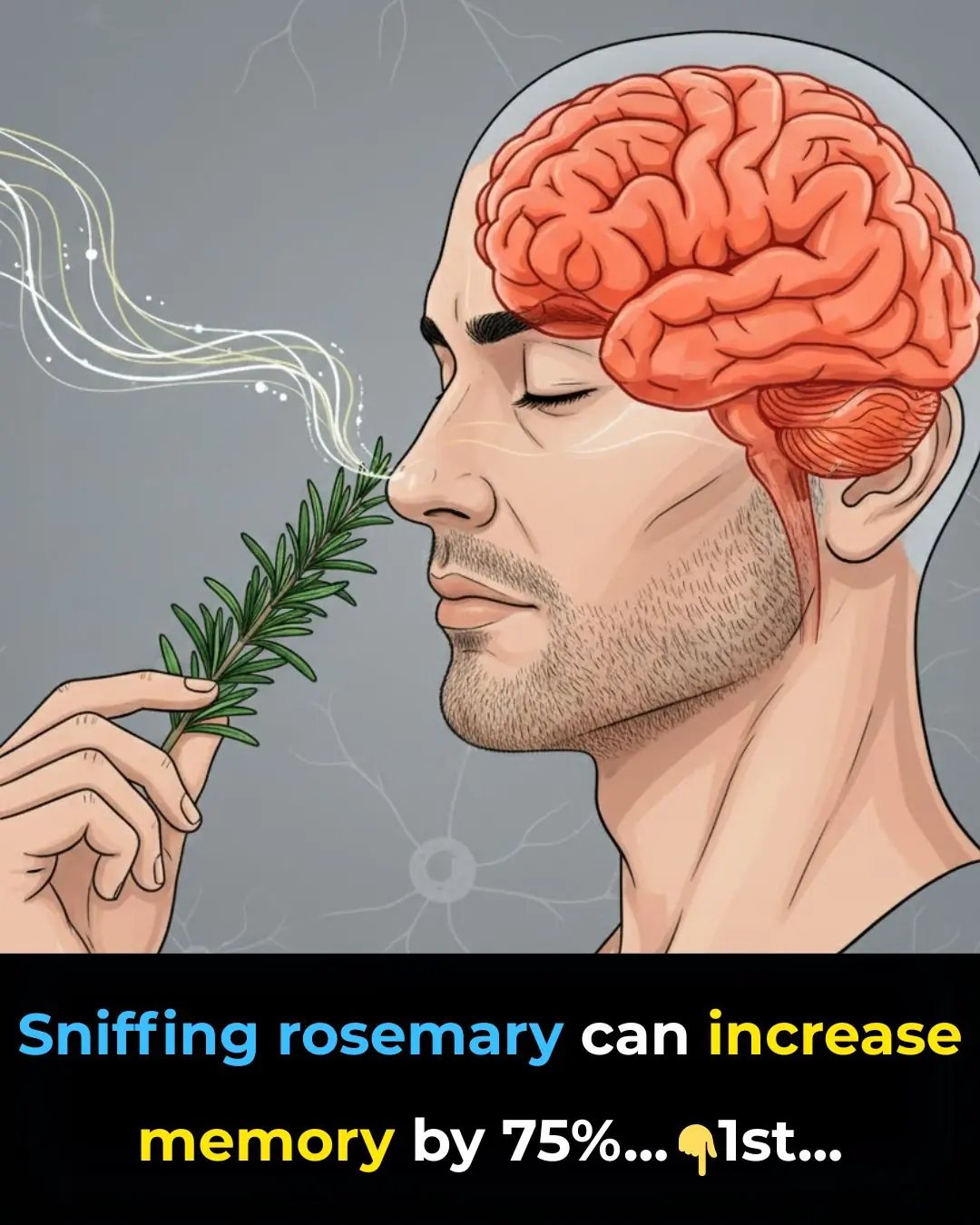
Does Sniffing Rosemary Really Boost Memory

Number Of Triangles You See Will Reveal Your True Personality

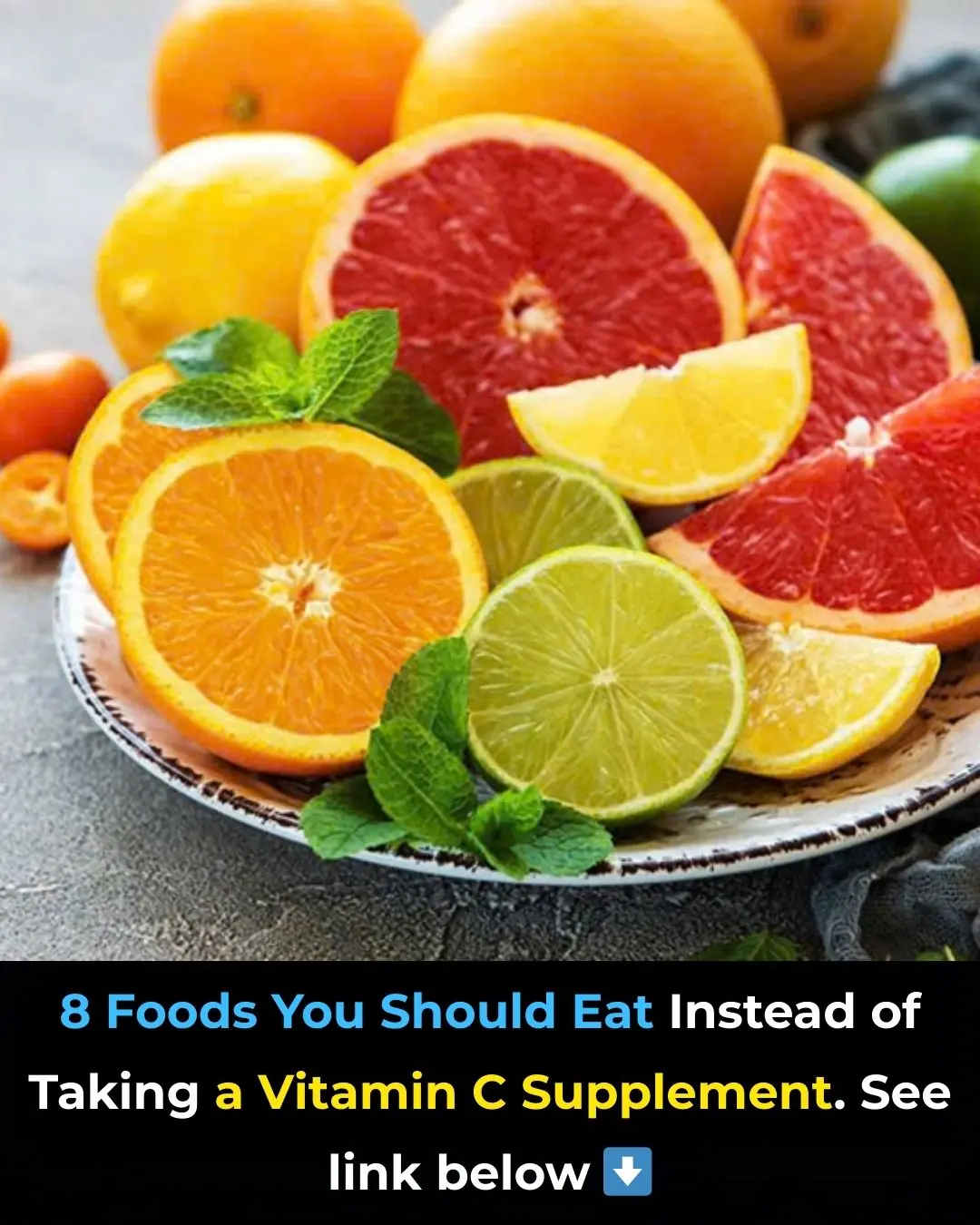
8 Foods You Should Eat Instead of Taking a Vitamin C Supplement

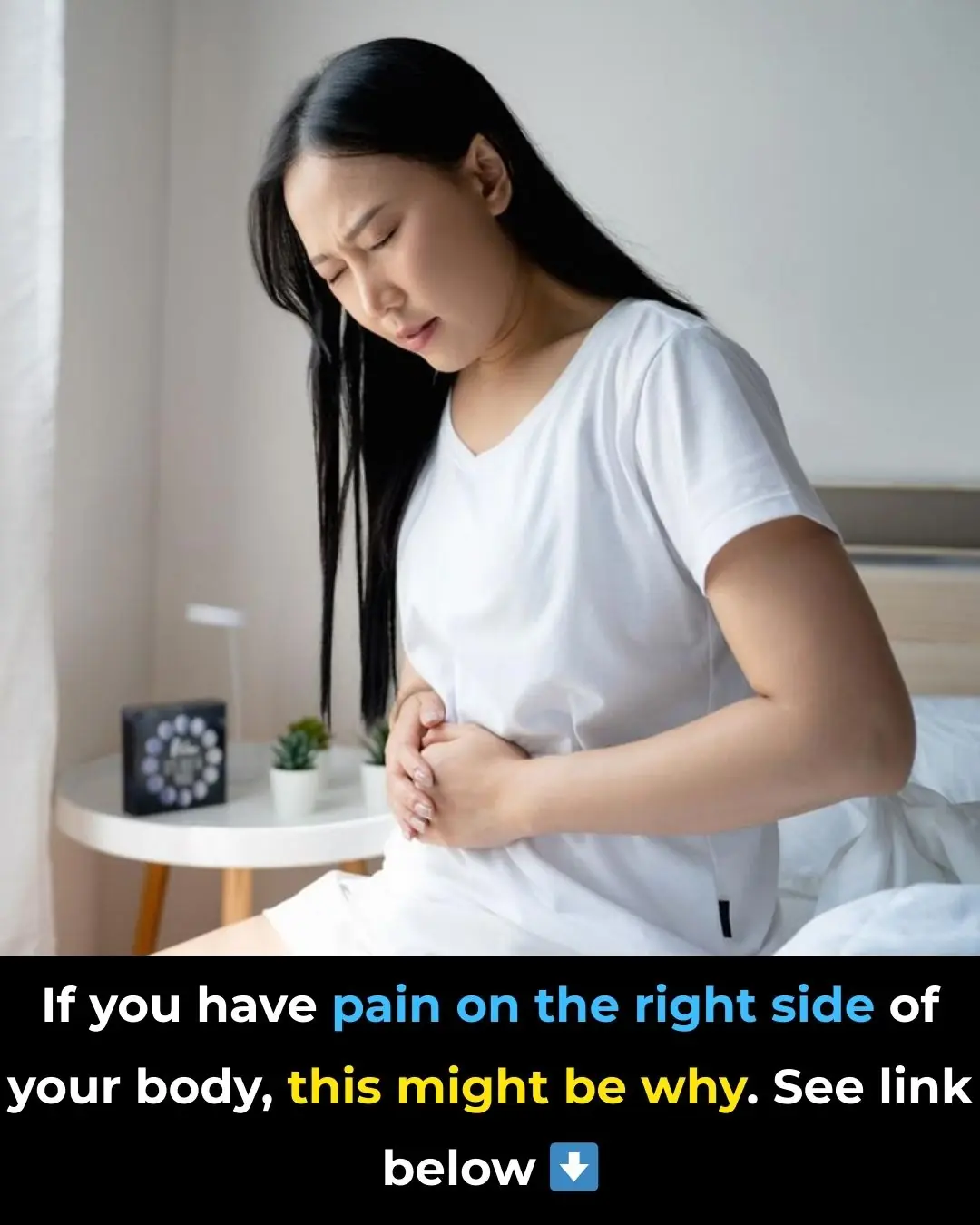
Right-Side Abdominal Pain in Women: Could It Be Gallstones?

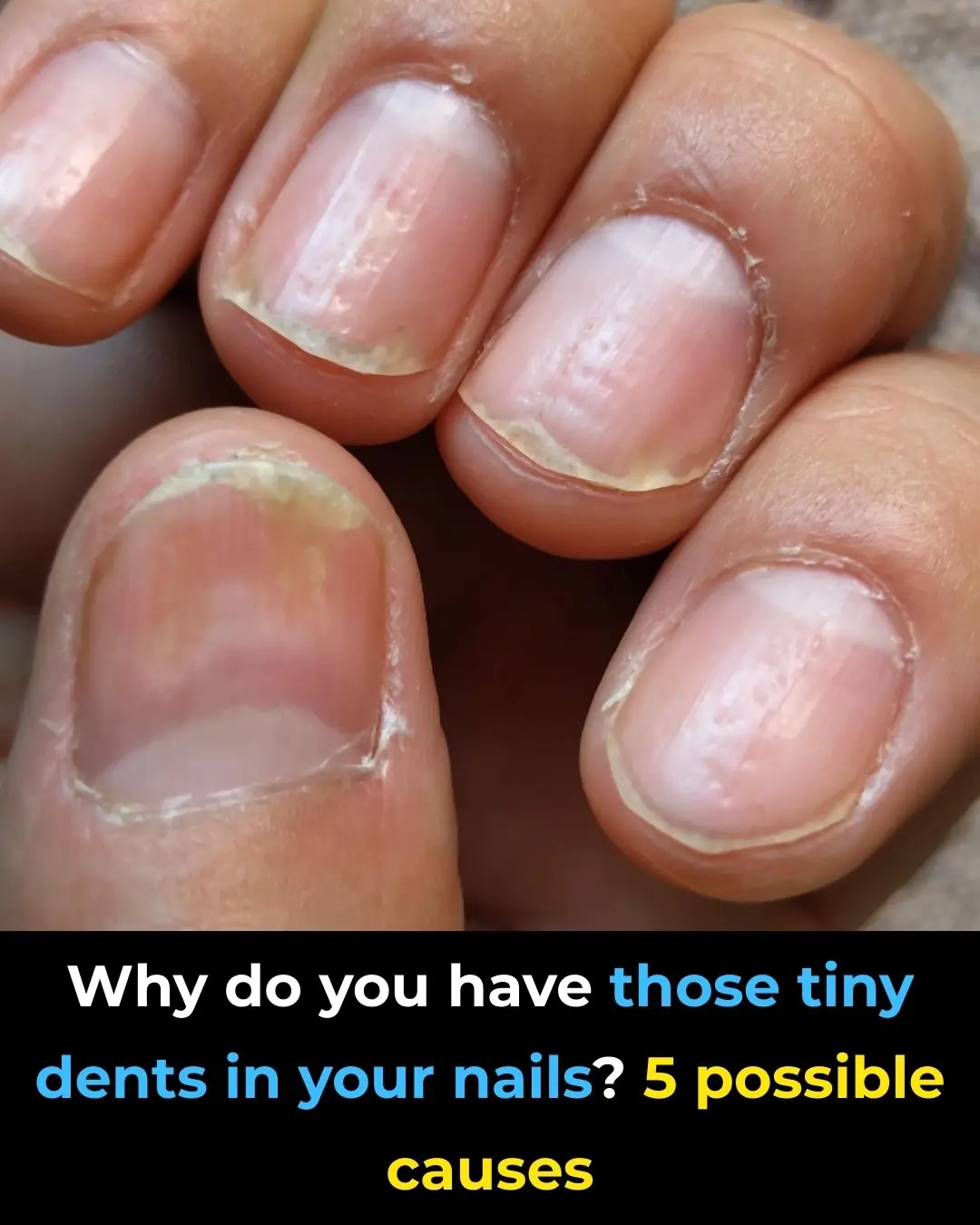
Everything You Need To Know About Nail Pitting

🧠 8 Strange (But Real) Signs Your Body Is Begging for More Vitamin B12 – Don’t Ignore These Red Flags

Discovering Smart Protein Choices: 4 to Include and 5 to Limit for Kidney Health Support

How I Improved the Appearance of My Legs: Smoother, Brighter & Healthier-Looking Skin with Simple Habits

Discover 5 Everyday Foods That May Increase Cancer Risk and Simple Swaps for Better Health

Discover Everyday Herbal Habits That Can Help Support Your Kidney Health Naturally

Danger at home! 8 household items that could harm your health lp

Discover a Simple Homemade Recipe with Lemon, Ginger, and Honey to Naturally Support Your Eye Health

Doctors Reveal That Eating Broccoli Regularly Leads To pu

How To Identify Skin Tags and When To Remove Them

14 Visible Signs of Cancer Most Women Ignore

When You Sleep Less Than Six Hours a Night

What Eating Oranges Can Really Do to Your Body

Can You Spot the Hidden Mistake in This Hospital Picture

Sida Acuta: Exploring the Healing Properties of this Herbal Remedy
News Post

Racist Passenger Insulted Black Man in Economy — Turns Out He Owns the Airline

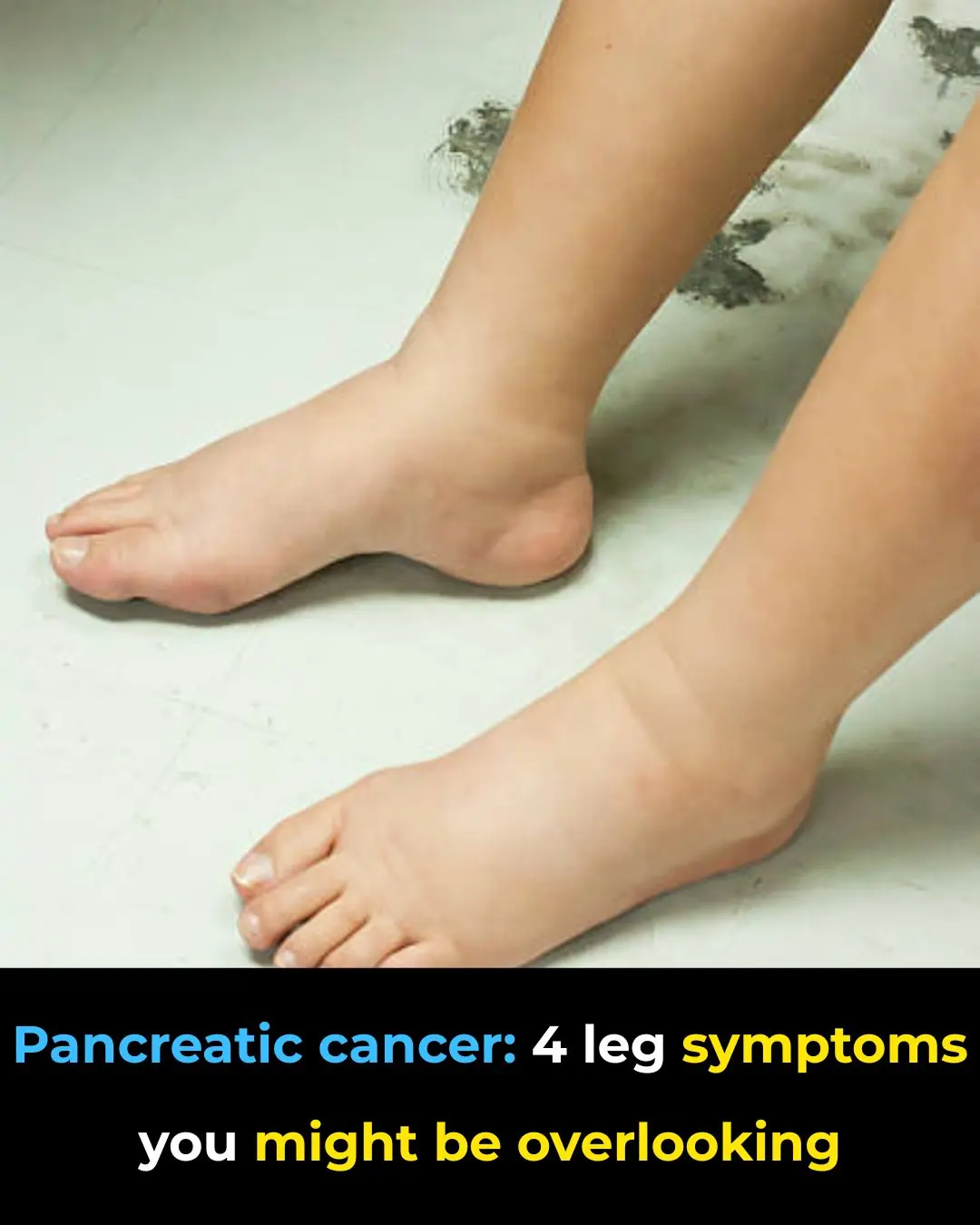
The Silent Signal: What Your Legs May Reveal About Pancreatic Health

Does Sniffing Rosemary Really Boost Memory

Number Of Triangles You See Will Reveal Your True Personality

Envy Rarely Looks Like Hate

Pilot Tells Black Teen to “Go Back to Coach” — But the Crew Learns He’s Their New Boss Mid Flight

My sister slapped me across the face during her $20,000 wedding-dress fitting—the one I was paying for.

The Boy Who Stopped the Jet

I stood beside him when he took the microphone.

The Wisest Japanese Secret! Even at 70, You Look Like 35

Whiten Dingy Grout

8 Foods You Should Eat Instead of Taking a Vitamin C Supplement

Right-Side Abdominal Pain in Women: Could It Be Gallstones?

Everything You Need To Know About Nail Pitting

🧠 8 Strange (But Real) Signs Your Body Is Begging for More Vitamin B12 – Don’t Ignore These Red Flags

Discovering Smart Protein Choices: 4 to Include and 5 to Limit for Kidney Health Support

How I Improved the Appearance of My Legs: Smoother, Brighter & Healthier-Looking Skin with Simple Habits

Discover 5 Everyday Foods That May Increase Cancer Risk and Simple Swaps for Better Health

Discover Everyday Herbal Habits That Can Help Support Your Kidney Health Naturally