Small but Mighty: The Magic of Clove and Goron Tula Water
Health 10/02/2026 22:58
The World Health Organization (WHO), the World Heart Federation, and the American Heart Association estimate that heart failure (HF) has reached pandemic proportions, affecting at least 26 million people worldwide. Its prevalence continues to rise due to aging populations, increasing rates of obesity, diabetes, and hypertension, and improved survival after heart attacks. A study published in ScienceDirect highlights that heart failure is not only common but also one of the leading causes of hospitalization among older adults globally.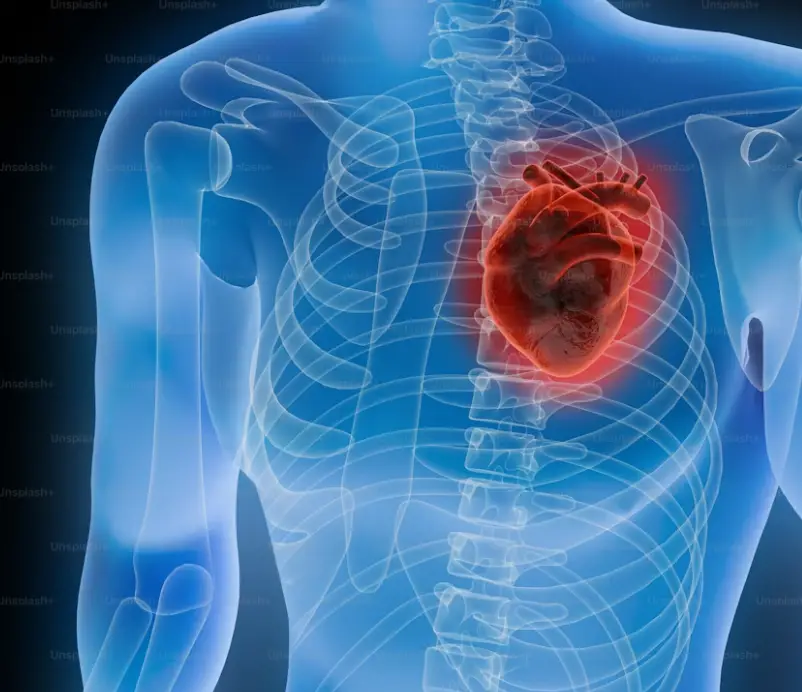
Heart failure does not mean that the heart has stopped working. Rather, it means the heart muscle cannot pump blood as efficiently as the body requires. Since the heart is responsible for delivering oxygen and nutrients to every cell, reduced pumping capacity leads to symptoms such as fatigue, shortness of breath, swelling in the legs, and sometimes a persistent cough. Over time, even simple daily activities—walking short distances, climbing stairs, or carrying groceries—can become physically exhausting. If left unmanaged, heart failure can significantly reduce quality of life and increase the risk of serious complications.
Although heart failure is generally considered a chronic condition, medical advances and lifestyle changes can lead to periods of remission or improved stability. Treatment often includes medication, regular monitoring, and targeted lifestyle adjustments. Health experts emphasize that certain everyday habits can significantly increase the risk of developing heart failure—or worsen it if already present. Breaking these habits can dramatically improve both heart health and overall well-being.

Excess sodium consumption is strongly associated with fluid retention and elevated blood pressure. According to research published in the AHA/ASA journals, dietary sodium restriction remains one of the most commonly recommended self-care behaviors for patients with heart failure, and it is endorsed by all major HF guidelines.
High sodium intake causes the body to retain water, increasing blood volume and forcing the heart to work harder. Over time, this additional strain can weaken the heart muscle. In 2005, guidelines from the American College of Cardiology and the American Heart Association recommended a daily sodium intake of 3,000 to 4,000 mg, with stricter limits of 2,000 mg for patients experiencing fluid overload. These recommendations were later updated to encourage moderate sodium restriction. The Heart Failure Society of America currently advises 2,000–3,000 mg per day, and less than 2,000 mg for individuals with moderate to severe symptoms.
How to avoid this habit:
Limit processed foods such as canned soups, deli meats, fast food, and packaged snacks, which often contain hidden sodium. Prepare home-cooked meals using fresh ingredients and enhance flavor with herbs, spices, lemon, or garlic instead of salt. Reading nutrition labels carefully can help you stay within recommended limits.
Modern lifestyles often involve prolonged sitting—at desks, in cars, or on the couch—which significantly increases cardiovascular risk. Physical inactivity is closely linked to obesity, high blood pressure, and metabolic disorders, all of which contribute to heart failure.
Regular physical activity strengthens the heart muscle, improves circulation, regulates blood pressure, and supports weight management. Even moderate exercise improves the heart’s efficiency and reduces inflammation in the body.
How to avoid this habit:
Aim for at least 150 minutes of moderate-intensity exercise or 75 minutes of vigorous activity per week, as recommended by cardiovascular health authorities. Break up long sitting periods by standing or walking every hour. Low-impact activities such as brisk walking, cycling, swimming, yoga, or dancing are excellent heart-friendly options that are sustainable long term.
Smoking and heavy alcohol use are major contributors to heart disease and heart failure. Tobacco damages blood vessels, increases blood pressure, reduces oxygen delivery, and accelerates plaque buildup in arteries. Meanwhile, excessive alcohol consumption can weaken the heart muscle, a condition known as alcoholic cardiomyopathy.
Many individuals underestimate the cumulative damage these habits cause over years or decades. Even occasional heavy drinking episodes can stress the heart and disrupt its rhythm.
How to avoid this habit:
If you smoke, quitting is one of the most powerful steps you can take to improve heart health. Seek support from healthcare providers, cessation programs, or counseling if needed. Regarding alcohol, limit intake to moderate levels—generally up to one drink per day for women and two for men. Individuals with heart failure should consult their doctor, as further restriction may be advised.

Chronic stress and insufficient sleep have profound effects on cardiovascular health. Persistent stress elevates cortisol and adrenaline levels, increasing heart rate and blood pressure. Over time, this hormonal imbalance can damage blood vessels and strain the heart.
Poor sleep, especially fewer than 7 hours per night, interferes with the body’s ability to repair tissues and regulate metabolism. It increases the risk of obesity, insulin resistance, hypertension, and diabetes—all of which are significant risk factors for heart failure. Sleep disorders such as sleep apnea further compound cardiovascular strain.
How to avoid this habit:
Incorporate daily stress-management techniques such as deep breathing, meditation, journaling, or mindfulness practices. Establish a consistent sleep schedule and aim for 7–9 hours of restful sleep each night. Create a calm bedtime routine by limiting screen time, reducing caffeine intake in the evening, and ensuring a quiet, comfortable sleep environment.
Heart failure is a serious but often preventable condition. While genetics and age play roles, lifestyle factors remain among the most powerful determinants of heart health. By reducing sodium intake, staying physically active, avoiding tobacco and excessive alcohol, managing stress, and prioritizing sleep, individuals can significantly lower their risk.
Small daily choices, repeated consistently over time, can make a substantial difference. Protecting the heart is not about perfection—it is about building sustainable habits that support long-term cardiovascular resilience.