Envy Rarely Looks Like Hate
Facts 03/02/2026 16:43
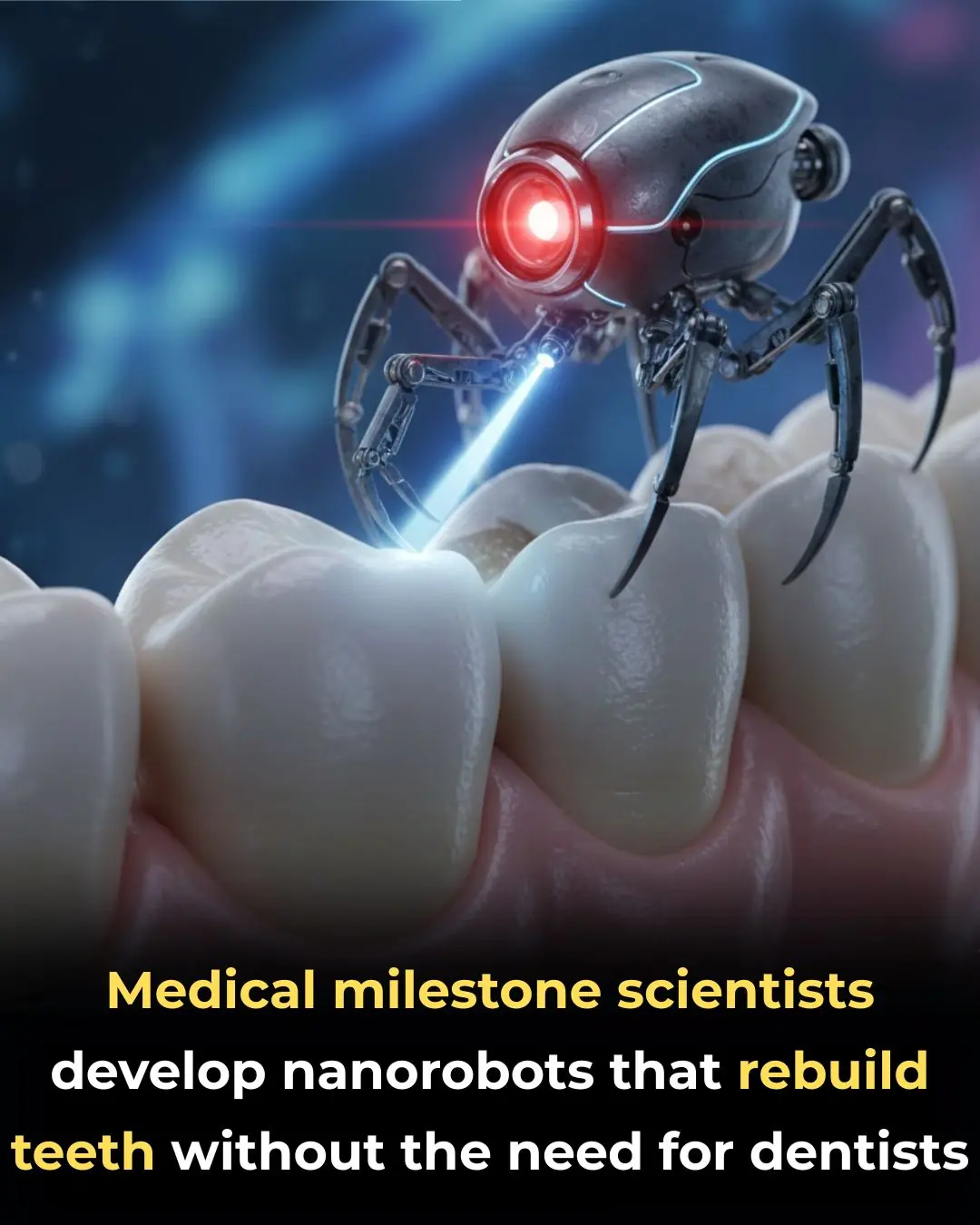
Researchers in Sweden are at the forefront of a revolutionary medical innovation: nanobot technology designed to travel through blood vessels and directly target arterial plaque buildup. Unlike traditional interventions such as stents or bypass surgery, these microscopic machines aim to restore blood flow by addressing the root cause of blockage—cholesterol deposits—without the need for invasive procedures or implanted devices.
Precision targeting: The nanobots are engineered to navigate the circulatory system and identify areas of plaque accumulation.
Rapid action: Preclinical studies have demonstrated that these devices can break down cholesterol deposits within minutes.
Safety focus: Importantly, they maintain the integrity of arterial walls, reducing risks associated with conventional mechanical interventions.
Reduced complications: Traditional stents and bypass surgeries carry risks such as infection, restenosis (re-narrowing of arteries), and long recovery times. Nanobots could minimize these issues.
Non-surgical approach: Patients may avoid major operations, leading to faster recovery and lower healthcare costs.
Personalized medicine: Nanobots could be programmed to adapt to individual patient conditions, offering tailored treatment strategies.
World Health Organization (WHO): Cardiovascular diseases remain the leading cause of death globally, accounting for nearly 18 million deaths annually (WHO Global Health Estimates, 2023).
European Society of Cardiology (ESC): Recent reports emphasize the urgent need for innovative therapies that go beyond mechanical interventions to address underlying biological processes.
Harvard Medical School & MIT: Parallel research in nanomedicine highlights the potential of nanoscale devices for targeted drug delivery and tissue repair, reinforcing the promise of Swedish nanobot studies.
Nature Nanotechnology (2024): Peer-reviewed studies confirm that nanotechnology-based therapies are entering a critical phase of development, with early successes in cardiovascular applications.
Human trials required: While preclinical results are promising, large-scale clinical studies are essential to confirm safety and efficacy.
Regulatory hurdles: Approval from agencies such as the European Medicines Agency (EMA) and the U.S. Food and Drug Administration (FDA) will be necessary before widespread adoption.
Ethical considerations: As with all emerging biotechnologies, issues of accessibility, cost, and long-term monitoring must be addressed.
Swedish researchers have successfully demonstrated that nanobots can clear arterial plaque in preclinical studies, offering a potential non-surgical alternative for heart disease treatment. If validated in human trials, this breakthrough could redefine cardiovascular care by shifting from mechanical interventions to targeted biological repair, ultimately improving patient outcomes and reducing global mortality rates.
World Health Organization – Global Health Estimates 2023
European Society of Cardiology – Annual Report on Cardiovascular Innovation, 2024
Nature Nanotechnology, 2024
Harvard Medical School & MIT – Nanomedicine Research Updates, 2025
Disclaimer: This content is for informational and educational purposes only. Human trials are required to confirm safety and efficacy before clinical use.