Proven Foods to Beat Gas and Bloating and Flatten Your Stomach
Health 01/09/2026 12:39
Pink Himalayan salt has become a familiar sight in kitchens, restaurants and health-food stores. Its distinctive pink color, large crystals and “natural” reputation have helped turn it into a premium alternative to ordinary table salt.
Some people believe that Himalayan salt can improve circulation, support respiratory health, reduce muscle cramps, detoxify the body or provide dozens of essential minerals.
But how much of this reputation is actually supported by nutrition science?
The answer is more complicated than the marketing suggests.
Pink Himalayan salt does contain trace minerals and is generally less processed than ordinary table salt. However, chemically it is still overwhelmingly sodium chloride, meaning its effects on sodium intake are broadly similar to those of other salts.
Despite its name, Himalayan pink salt is not typically mined high in the Himalayan mountains themselves. It largely comes from ancient rock-salt deposits in Pakistan, near the Himalayan region.
Like ordinary salt, its primary component is sodium chloride.
Its characteristic pink, orange or reddish appearance comes from small amounts of naturally occurring minerals and compounds, including iron.
Depending on the deposit, the salt may also contain tiny quantities of calcium, magnesium, potassium and other elements. These trace minerals help explain differences in color and flavor between Himalayan salt and highly refined table salt.
However, these minerals make up only a very small proportion of the salt. Himalayan salt can still contain roughly 98% sodium chloride, so it should not be viewed as a meaningful mineral supplement.
The biggest difference is usually processing rather than basic chemistry.
Regular table salt is commonly refined into very small, uniform crystals. Anti-caking ingredients may be added to keep it flowing freely, and many table salts are fortified with iodine.
Himalayan salt is generally sold with less refining and often has larger, irregular crystals. It normally does not contain added anti-caking ingredients and is frequently sold without added iodine.
But once dissolved in food, both products provide essentially the same thing in nutritional terms: sodium and chloride.
That means switching from table salt to Himalayan salt does not automatically turn a high-sodium diet into a healthy one.
Sea salt is produced by evaporating seawater or water from salt lakes.
Because it can undergo less processing than ordinary table salt, it may retain small amounts of trace minerals. These minerals can affect its flavor, color and texture.
But again, the nutritional difference is relatively small.
Whether you choose sea salt, Himalayan salt or table salt, sodium remains the main nutritional issue.
The American Heart Association specifically notes that changing the type of salt does not change recommended sodium limits. Coarse crystals can sometimes result in less sodium per teaspoon simply because fewer crystals fit into the spoon, but gram for gram the differences are not dramatic.
One of the most common marketing claims is that Himalayan salt contains more than 80 minerals and trace elements.
It is certainly true that natural rock salt can contain numerous trace elements.
The more important question, however, is how much of those minerals you actually consume.
Because almost all Himalayan salt is still sodium chloride, the remaining minerals occur in extremely small concentrations.
You would have to consume an unhealthy amount of salt to obtain nutritionally significant quantities of many of them.
For magnesium, potassium, calcium and other important minerals, foods such as vegetables, fruits, legumes, nuts, dairy products and whole grains are far more useful nutritional sources.
So the trace-mineral content of Himalayan salt is interesting, but it should not be considered a major reason to eat more salt.
Himalayan salt is often promoted with claims that it can improve sleep, circulation, respiratory function, bone strength, libido, muscle cramps and even detoxification.
There is currently little strong evidence that eating Himalayan salt provides these special health effects.
The benefits we can confidently attribute to salt mostly come from sodium itself.
The body does require some sodium. It plays important roles in fluid balance, muscle contraction and nerve signaling.
But the body needs only a relatively small amount, and most people living on modern diets obtain substantially more sodium than necessary.
So Himalayan salt should be viewed primarily as a seasoning rather than as a health supplement.
This is the part that can easily be overlooked when a product is marketed as “natural.”
Pink Himalayan salt still contains sodium.
Eating too much sodium can raise blood pressure in many people and contribute to cardiovascular and kidney problems over time.
The American Heart Association recommends no more than 2,300 mg of sodium per day, with an optimal goal of about 1,500 mg daily for most adults, especially when blood pressure reduction is important.
Importantly, most dietary sodium does not come from the salt shaker.
More than 70% of sodium in the typical American diet comes from packaged, prepared and restaurant foods.
That means replacing table salt with Himalayan salt while continuing to eat highly processed foods may have very little effect on your overall sodium intake.
This is one area where ordinary iodized table salt may actually have an advantage.
Iodine is needed to produce thyroid hormones, which regulate metabolism and support many essential body functions.
The body cannot manufacture iodine on its own.
Many countries therefore add iodine to table salt as a public-health measure.
Specialty salts—including Himalayan salt, kosher salt and many sea salts—are generally not iodized unless the label specifically says otherwise.
Adults generally need about 150 micrograms of iodine per day, with higher requirements during pregnancy and breastfeeding.
If Himalayan salt completely replaces iodized salt in your kitchen, it is worth making sure you obtain iodine elsewhere through foods such as seafood, dairy products, eggs or appropriately iodized products.
This does not mean everyone must use iodized salt, but iodine intake is something people often overlook when switching exclusively to specialty salts.
There are perfectly reasonable reasons to choose it that have nothing to do with miracle health claims.
Its coarse texture can be useful as a finishing salt. The pink crystals are visually attractive. Some people prefer its subtle flavor, and larger crystals can make it easier to control how much salt is sprinkled over food.
Because coarse salt takes up more space than finely ground salt, a teaspoon of large Himalayan crystals may sometimes contain less sodium than a teaspoon of tightly packed fine table salt.
However, once measured by weight rather than volume, those differences become much smaller.
So if you enjoy Himalayan salt, there is no reason you must avoid it. The key is simply not to mistake its pink color or natural appearance for permission to consume unlimited amounts.
Some wellness websites recommend dissolving Himalayan salt in water—sometimes called “sole water”—and drinking it in the morning.
For most people eating a normal diet, there is no compelling reason to deliberately add extra sodium to drinking water.
The body usually obtains more than enough sodium through food.
Regularly drinking heavily salted water can simply increase total sodium intake, particularly in people who already consume processed foods.
People with high blood pressure, kidney disease, heart disease or medical conditions affecting fluid balance should be especially cautious about increasing sodium without professional guidance. Current cardiovascular guidance emphasizes reducing excessive sodium rather than seeking additional sources of it.
Think of pink salt primarily as a flavoring ingredient.
Use a small amount to enhance vegetables, eggs, meat, fish or homemade meals rather than treating it as a nutritional supplement.
At the same time, pay attention to the less obvious sources of sodium in your diet, including sauces, bread, deli meat, pizza, canned soups, frozen meals and restaurant foods.
Reading the Nutrition Facts label is far more useful for controlling sodium than simply changing the color or origin of the salt in your salt shaker.
It depends on why you want it.
If you enjoy its appearance, texture and flavor, Himalayan salt can be an excellent culinary ingredient.
If you are buying it because you expect dozens of trace minerals to transform your health, improve your lungs, detoxify your body or prevent disease, the scientific evidence does not currently support those expectations.
The nutritional reality is straightforward:
Himalayan salt is still salt.
It may be less refined and contain more trace minerals than ordinary table salt, but those minerals exist in quantities too small to make it a meaningful dietary supplement.
Meanwhile, its sodium content remains high enough that excessive consumption carries the same basic concerns as other salts.
The healthiest approach is not necessarily choosing the “best” salt—it is using less salt overall while getting minerals from nutritious whole foods.
And if Himalayan salt becomes your only household salt, remember to make sure your diet still supplies enough iodine.






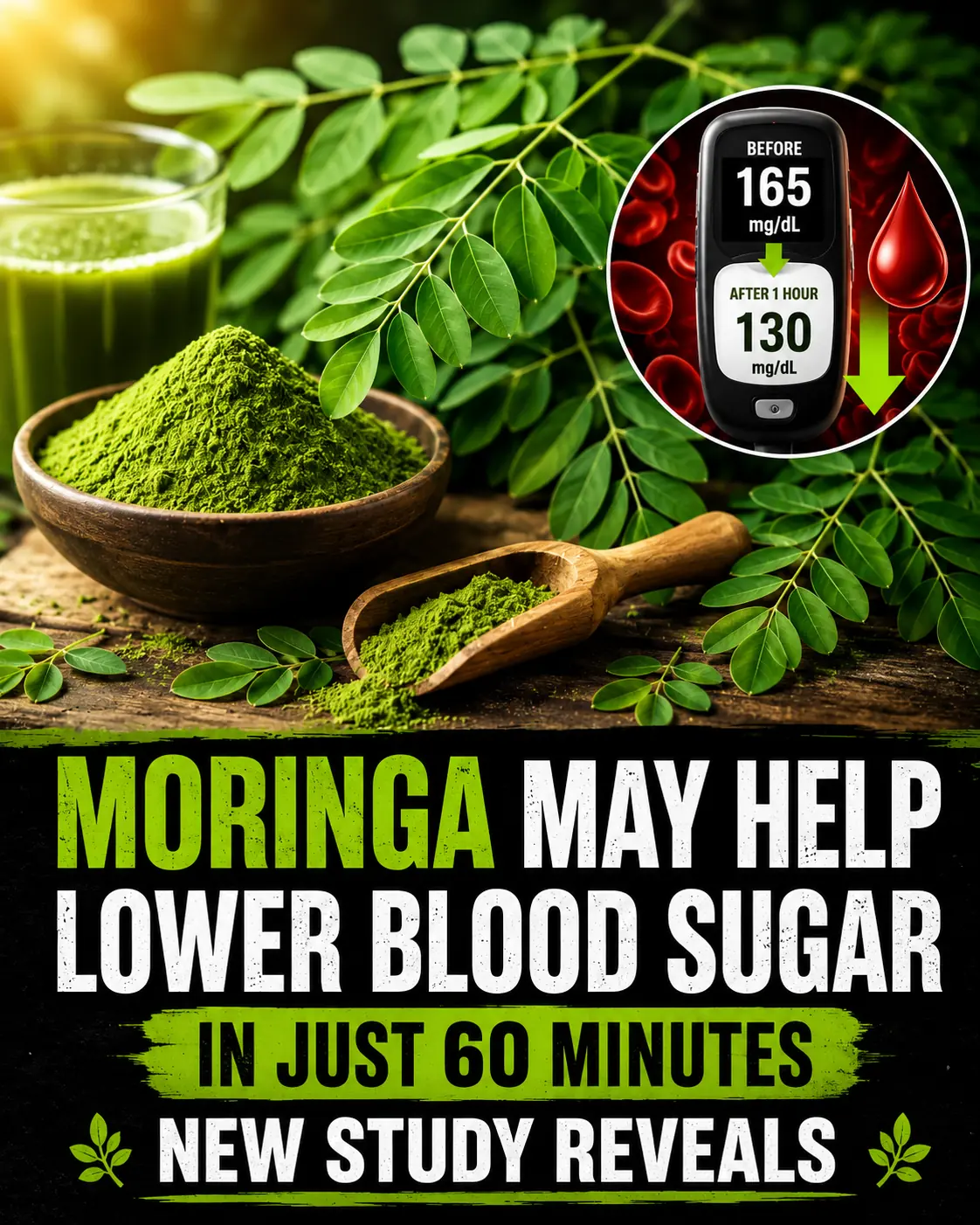
Scientifically Proven Benefits of Moringa (Tea, Powder, Leaves)