The Dangerous Chicken Defrosting Mistake Almost Everyone Makes (And How to Avoid It)
Tips 02/04/2026 15:41
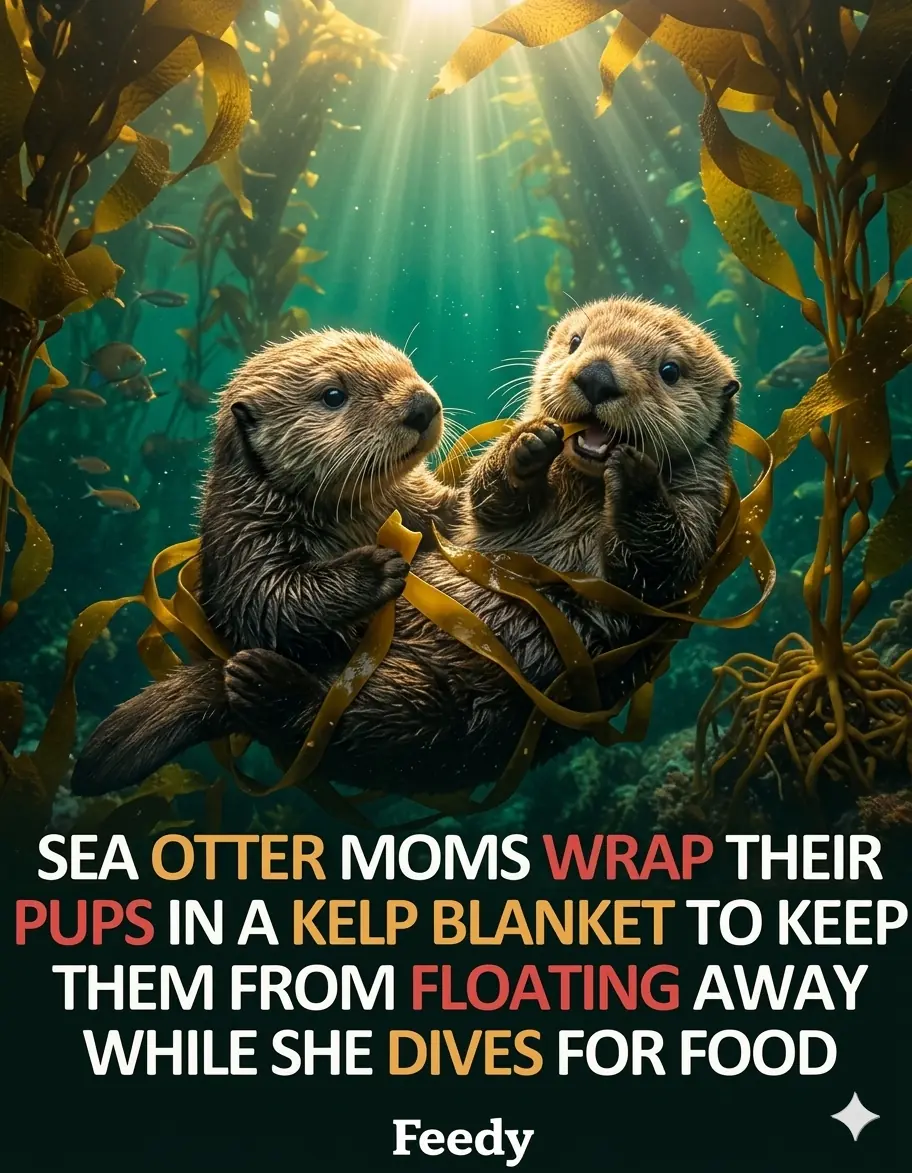
Sea otters are among the most fascinating marine animals, known not only for their playful behavior but also for their remarkable intelligence and nurturing instincts. One of the most heartwarming and ingenious survival techniques in the animal kingdom comes from sea otter mothers, who have developed a unique way to keep their vulnerable pups safe while they dive beneath the waves to hunt for food.
Newborn sea otters face a significant challenge from the moment they enter the world. Unlike adult otters, they are not immediately capable of diving or swimming effectively. Their dense, fluffy fur keeps them buoyant, causing them to float on the water’s surface like tiny rafts. While this natural buoyancy is helpful, it also makes them susceptible to drifting away with ocean currents if left unattended.
However, mother otters must regularly dive underwater to find food such as shellfish, crabs, and sea urchins. This creates a dilemma: how can they hunt while ensuring their pups remain safe and close by?
The solution lies in the underwater forests of kelp that grow along many coastlines. Kelp is a type of large brown seaweed with long, flexible fronds that stretch from the seafloor up to the ocean’s surface. These fronds create a natural, floating network that sways gently with the currents.
Sea otter mothers use this environment to their advantage. Before diving, they carefully wrap strands of kelp around their pups. This simple yet effective technique acts like a natural anchor, preventing the baby from drifting away.
The kelp functions almost like a cradle, holding the pup securely in place while still allowing it to float comfortably. Meanwhile, the pup often lies on its back, calmly resting or even sleeping as its mother searches for food below.
This behavior highlights a deeper ecological relationship between sea otters and kelp forests. Kelp is not just a convenient tool—it is an essential part of the otter’s habitat. These underwater forests provide shelter, food sources, and protection from predators.
In return, sea otters play a crucial role in maintaining the health of kelp ecosystems. They feed on sea urchins, which, if left unchecked, can overgraze and destroy kelp forests. By controlling sea urchin populations, otters help preserve these vital marine environments.
This mutual relationship demonstrates how interconnected ocean life truly is. The simple act of a mother securing her pup with kelp contributes to a larger balance that sustains entire coastal ecosystems.
Sea otters are commonly found along the Pacific coastlines of North America and Asia, particularly in regions where kelp forests thrive. Observing a mother otter gently anchoring her pup is a powerful reminder of nature’s creativity and care.
Beyond their adorable appearance, sea otters symbolize the delicate harmony of marine ecosystems. Their behaviors reflect both intelligence and deep maternal care, making them beloved creatures worldwide.
The image of a tiny pup floating safely, wrapped in strands of kelp, while its mother dives beneath the waves, captures a moment of trust, survival, and natural brilliance. It is a small yet profound example of how life in the ocean adapts and thrives through cooperation with the environment.