Poor Circulation in the Legs
Health 27/07/2026 20:30

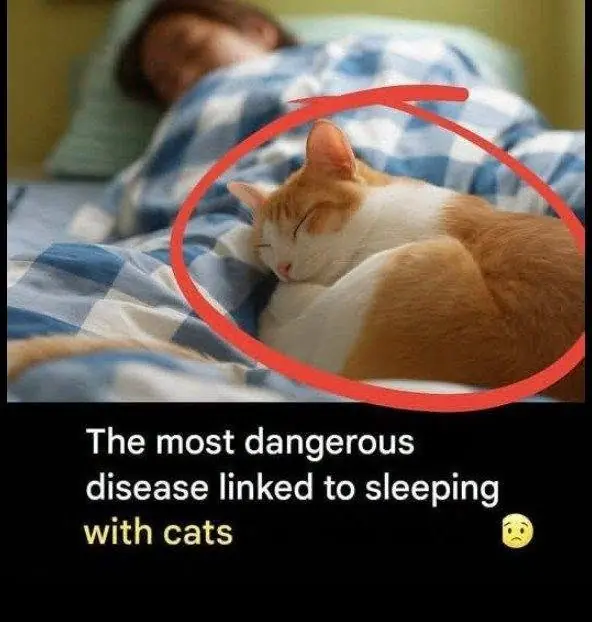
Sleeping with Cats …The Biggest Health Risk
For many cat lovers, bedtime isn’t complete without a furry companion curled up nearby. Whether your cat sleeps at the foot of the bed or snuggles beside you under the blankets, sharing your sleeping space can be comforting. A cat’s soothing purr, warmth, and companionship often help people relax and unwind after a long day.
But is sleeping with your cat completely safe?
In most cases, yes. Healthy cats that receive regular veterinary care pose very little risk to healthy adults. However, it’s still worth understanding the small health risks associated with close contact—especially if you’re pregnant or have a weakened immune system.
Among the illnesses linked to cats, toxoplasmosis is often considered the most serious because of the complications it can cause in certain high-risk individuals.
Cats, like many animals, can occasionally carry diseases that can be passed to humans. These are known as zoonotic diseases.
Fortunately, the risk of catching a disease from a well-cared-for pet cat is generally low. Still, close daily contact—including sharing a bed—means it’s important to practice good hygiene.
Some cat-associated illnesses include:
Of these, toxoplasmosis receives the most medical attention because of its potential impact during pregnancy and in people with weakened immune systems.
Toxoplasmosis is caused by a microscopic parasite called Toxoplasma gondii. Although many animals can become infected, cats are the parasite’s primary host, meaning it completes part of its life cycle in their intestines.
An infected cat may shed the parasite in its feces for a short period, usually only once in its lifetime. After one to five days in the environment, these microscopic oocysts become infectious.
It’s important to remember that most pet cats never become a source of infection, especially if they:
Many people assume sleeping with a cat is the main way toxoplasmosis spreads, but that’s a common misconception.
The most common sources of infection include:
Sleeping with your cat is not considered a common route of transmission. However, if a cat has recently used the litter box and contaminated bedding or surfaces with fecal material, poor hygiene could theoretically increase exposure.
Most healthy people never develop symptoms.
When symptoms do occur, they often resemble a mild flu, including:
These symptoms usually resolve without complications.
Although toxoplasmosis is usually mild, it can become serious for certain groups.
If someone becomes infected with toxoplasmosis for the first time during pregnancy, the parasite can sometimes pass to the unborn baby.
Possible complications may include:
For this reason, pregnant individuals are often advised to avoid cleaning litter boxes whenever possible or to wear gloves and wash their hands thoroughly afterward.
Individuals whose immune systems are compromised may have difficulty controlling the infection.
In severe cases, toxoplasmosis can affect:
Prompt medical evaluation is important if symptoms develop.
Scientists have explored possible links between long-term (latent) toxoplasmosis and certain neurological or behavioral conditions. While research continues, these associations have not been conclusively established.
Fact: Most pet cats never carry or shed the parasite.
Fact: Casual contact with a cat’s fur is very unlikely to spread the infection.
Fact: This is false. With proper hygiene and routine veterinary care, most people can safely keep their cats throughout pregnancy.
If your cat enjoys sleeping beside you, these simple precautions can help minimize any health risks.
Always wash your hands after cleaning the litter box, gardening, or handling anything that may have come into contact with cat feces.
Indoor cats are much less likely to become infected because they are less likely to hunt wildlife or eat infected prey.
Daily cleaning is important because the parasite typically takes 24 to 48 hours after being shed to become infectious.
If you’re pregnant, ask someone else to clean the litter box whenever possible.
If your cat sleeps on your bed, wash sheets and pillowcases regularly using hot water to maintain good hygiene.
Avoid feeding raw meat, which may increase your cat’s risk of infection.
Regular veterinary care helps keep your cat healthy and reduces the risk of infectious diseases.
Besides toxoplasmosis, sleeping with cats may occasionally contribute to:
These concerns are generally manageable with proper pet care and household hygiene.
For many owners, the emotional benefits far outweigh the small risks.
Sleeping with a beloved cat may help:
As long as basic hygiene practices are followed, many people safely share their beds with their cats for years.
Consider seeking medical advice if:
Your healthcare provider can assess your situation and recommend appropriate testing or preventive measures if needed.
Sharing your bed with a cat is a personal choice that many owners enjoy. While toxoplasmosis is the most significant illness associated with cats, sleeping with a cat itself is not considered a major source of infection. Most healthy adults have a very low risk, particularly if their cat lives indoors, eats commercial food, and receives regular veterinary care.
The best approach is simple: practice good hygiene, keep your cat healthy, clean the litter box safely, and stay informed. By taking these precautions, you can continue enjoying your feline companion while protecting both your health and theirs.