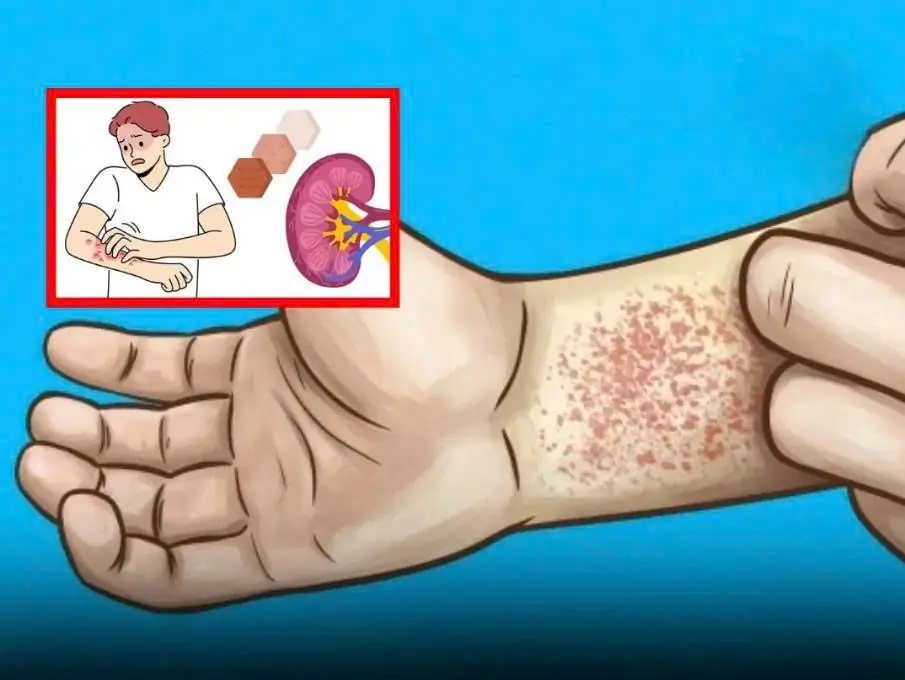
These 9 Types of Persistent Itching May Be Warning Signs of Serious Health Problems - Including Can.cer
Health 13/07/2026 23:45
Don't Ignore Persistent Ankle Swelling—Know When to See a Doctor
Persistent swelling in the legs and ankles may signal more than fatigue—nutrition could play an important role.
Swollen feet, ankles, and lower legs are a common complaint, especially among older adults, people who stand or sit for long periods, and those with certain medical conditions. While swelling (edema) can sometimes be caused by heart, kidney, or liver disease, it is often linked to fluid retention, poor circulation, excessive sodium intake, or nutritional imbalances.
One nutrient that has attracted attention for its role in maintaining proper fluid balance is potassium. Working together with sodium, potassium helps regulate the body's water balance and supports normal muscle and nerve function. Understanding how this mineral works may help explain why adequate intake is important for people dealing with mild fluid retention.
Edema occurs when excess fluid accumulates in the body's tissues. Several factors can contribute to this condition, including:
Standing or sitting for long periods
Poor blood circulation
Excess sodium intake
Certain medications
Pregnancy
Venous insufficiency
Heart, kidney, or liver disorders
Because swelling has many possible causes, persistent or severe edema should always be evaluated by a healthcare professional.
Potassium is an essential mineral that helps maintain normal fluid balance inside and outside the body's cells.
It works alongside sodium through the sodium-potassium pump, a cellular mechanism responsible for:
Regulating water movement
Supporting healthy nerve signals
Maintaining muscle contractions
Helping control blood pressure
When sodium intake is high but potassium intake is low, the body may retain more water, contributing to swelling in some individuals.
Instead of relying on supplements without medical advice, experts recommend increasing potassium naturally through food whenever appropriate.
Excellent sources include:
Bananas
Sweet potatoes
Spinach
Avocados
White beans
Lentils
Tomatoes
Yogurt
Oranges
Salmon
Eating a balanced diet rich in fruits and vegetables can help support normal electrolyte balance.
Nutrition is only one part of the solution. Lifestyle habits can also make a significant difference.
Helpful strategies include:
Drinking enough water helps your body maintain a healthy fluid balance and may reduce unnecessary water retention.
Highly processed foods often contain large amounts of sodium, which may worsen fluid retention in susceptible individuals.
Walking, stretching, or simply standing up every hour helps improve circulation, especially if you spend much of the day sitting.
Raising your legs above heart level for short periods may encourage fluid to move back toward the heart.
For people with chronic venous insufficiency, compression garments may help reduce swelling after consulting a healthcare provider.
Seek medical attention promptly if leg swelling:
Appears suddenly
Affects only one leg
Is accompanied by severe pain
Comes with chest pain or shortness of breath
Is associated with fever or skin redness
Persists despite lifestyle changes
These symptoms may indicate a more serious underlying condition that requires immediate evaluation.
Potassium plays an important role in maintaining healthy fluid balance and may help reduce mild water retention when combined with a balanced diet and healthy lifestyle. However, swollen legs and ankles are not always caused by nutritional deficiencies.
If swelling is frequent, worsening, or accompanied by other concerning symptoms, it's essential to seek medical advice rather than relying solely on dietary changes. Identifying the underlying cause is the key to effective treatment.