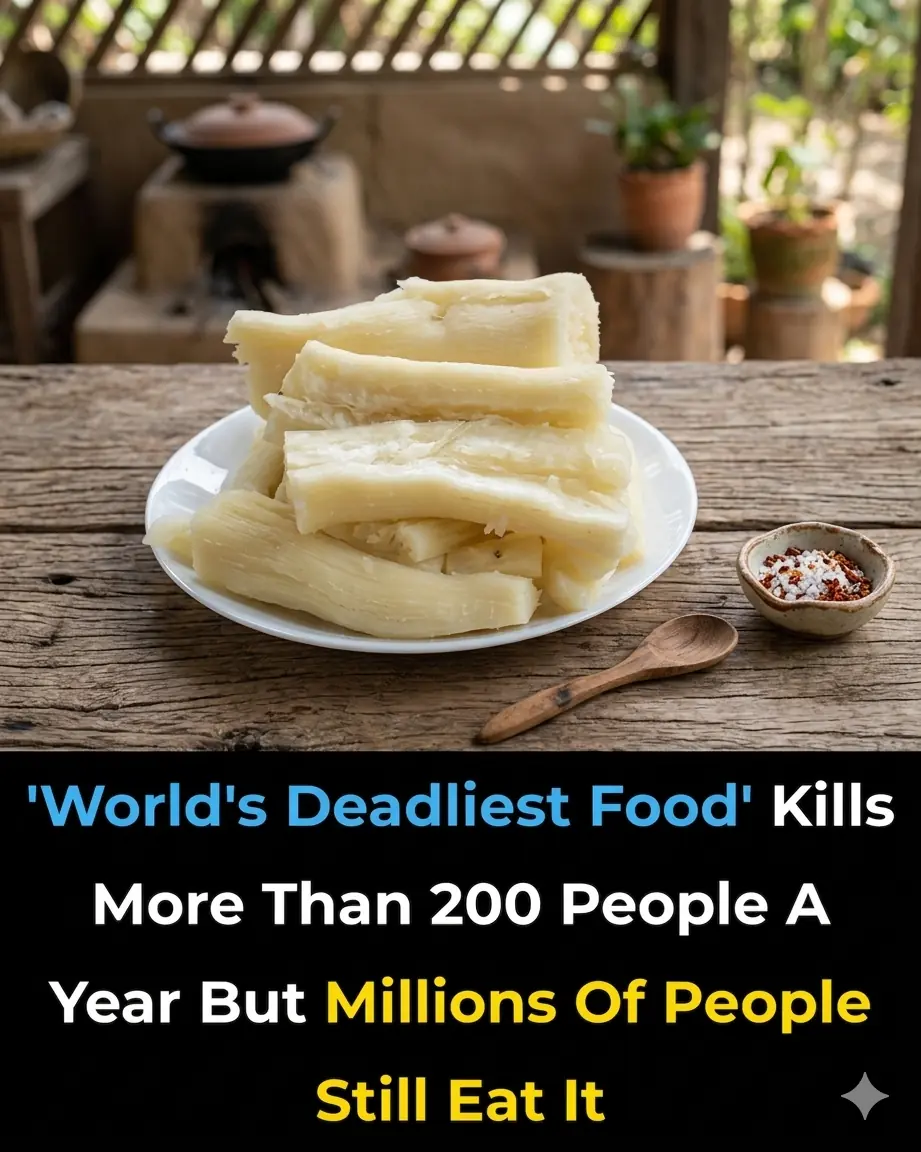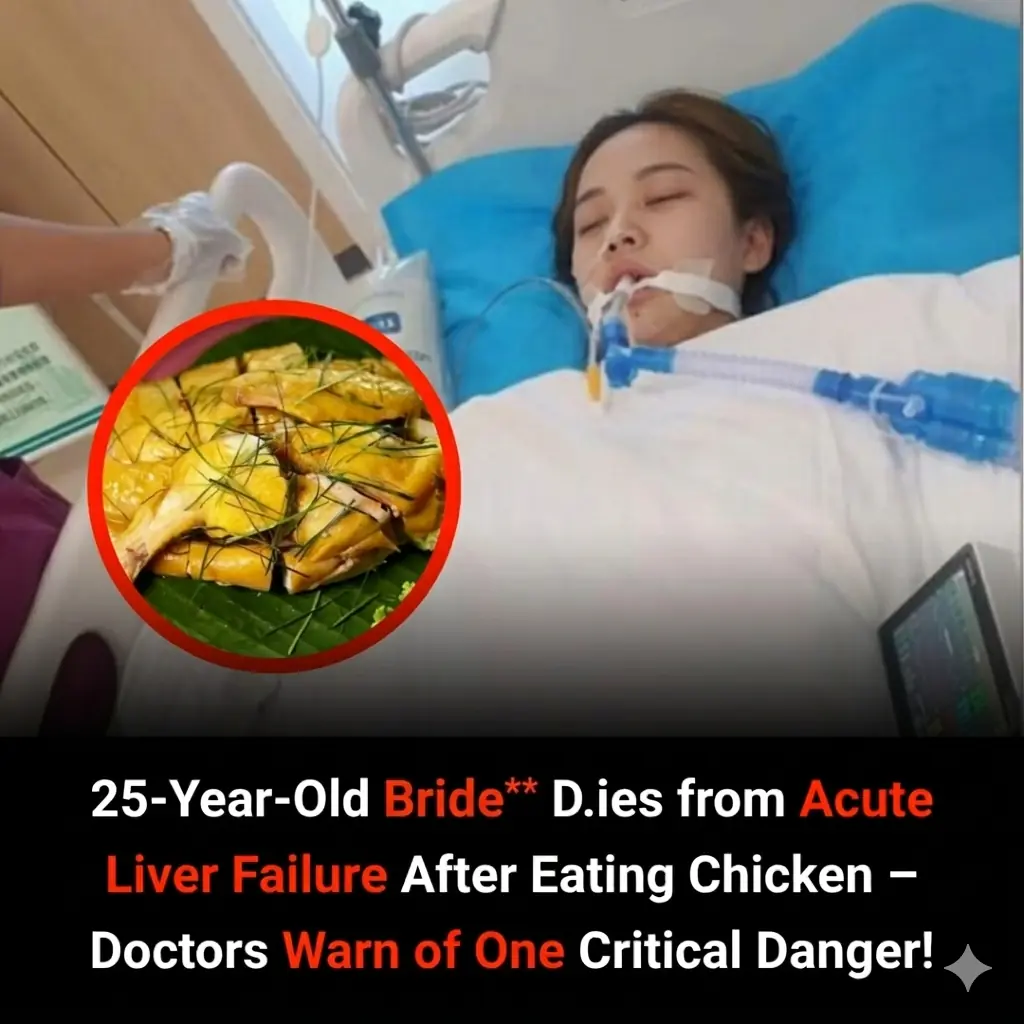
The World’s Deadliest Food Kills Hundreds Every Year — Yet Millions Still Eat It Without Thinking Twice

It sounds unbelievable, but one of the most dangerous foods in the world is still consumed by nearly 500 million people every single day.
Even more shocking? It’s responsible for hundreds of deaths each year.
So why hasn’t it been banned? And why do people continue to eat it despite the risks?
Let’s take a closer look.
⚠️ A Hidden Danger on Your Plate
The food in question is cassava, a root vegetable widely eaten across Africa, Asia, and Latin America. At first glance, it looks harmless — similar to a potato — and is a staple in many traditional diets.
But cassava contains natural compounds that can release cyanide, a highly toxic chemical, if not prepared properly.
Yes, cyanide — the same substance known for its deadly effects.
🧪 How Does It Become Toxic?
Cassava naturally contains substances called cyanogenic glycosides. When the plant is raw or improperly processed, these compounds can turn into cyanide in the body.
In small amounts, the human body can detoxify it. But in larger doses, it can lead to:
- Severe poisoning
- Paralysis
- Long-term neurological disorders
- Even death
According to health experts, improper cassava consumption causes over 200 deaths every year, especially in regions where food shortages force people to skip proper preparation methods.
🍽️ Why Do So Many People Still Eat It?
Despite the risks, cassava remains a lifeline food for millions.
Here’s why:
- It’s cheap and easy to grow in harsh climates
- It provides a high source of carbohydrates
- It can survive droughts where other crops fail
For many communities, cassava isn’t just food — it’s survival.
🔥 The Real Problem: Preparation
The danger doesn’t come from cassava itself, but how it’s handled.
When properly prepared — soaked, fermented, dried, and cooked — cassava becomes safe to eat. Traditional methods can remove up to 90% of the toxic compounds.
However, during times of famine or crisis, people may skip these crucial steps, increasing the risk of poisoning.
🧠 A Silent Health Crisis
In some regions, long-term exposure to poorly processed cassava has been linked to a neurological condition known as konzo, which causes irreversible paralysis, especially in children.
This makes cassava not just a food issue, but a public health concern.
⚖️ Risk vs Survival
The story of cassava highlights a difficult truth: sometimes, the most dangerous foods are also the most essential.
For millions of people, the choice isn’t between “safe” and “unsafe” — it’s between eating what’s available or going hungry.
💬 Final Thought
It’s easy to judge from the outside, but cassava shows how complex food safety can be around the world.
Would you try a food that could be deadly if prepared the wrong way?
👇 Share your thoughts below — and tag someone who needs to see this!
News in the same category


Unexpected Triggers of Hives: What Your Skin Might Be Trying to Tell You

Unlocking Nature’s Secret: Exploring 12 Benefits of Papaya Flowers and Crafting a Honey-Infused Wellness Jar

Discover How Three Natural Seeds May Support Eye Health in a Simple Daily Routine

5 warning signs of cancer developing in the body

Plantain Power: Why This Common “Weed” Is a Hidden Gem for Natural Wellness

10 Warning Signs Your Body Might Be Trying to Tell You Something Important

Waking Up at 3 or 4 AM? Here’s What Your Body Might Be Trying to Tell You

The Best Foods for Stronger Nails After 40

Signs of pancreatic cancer you should never ignore

Tribulus Terrestris (Puncture Vine): Benefits, Traditional Uses, and Science-Backed Effects..kp

A Simple 3-Ingredient Kitchen Blend Many Adults Over 60 Use to Support Joint Comfort

5 warning signs of cancer developing in the body

5-Year-Old Loses Battle With Cancer — Doctors Reveal 5 Foods Parents Must Never Give Their Children

If Your Legs Cramp at Night You Need to Know This Immediately

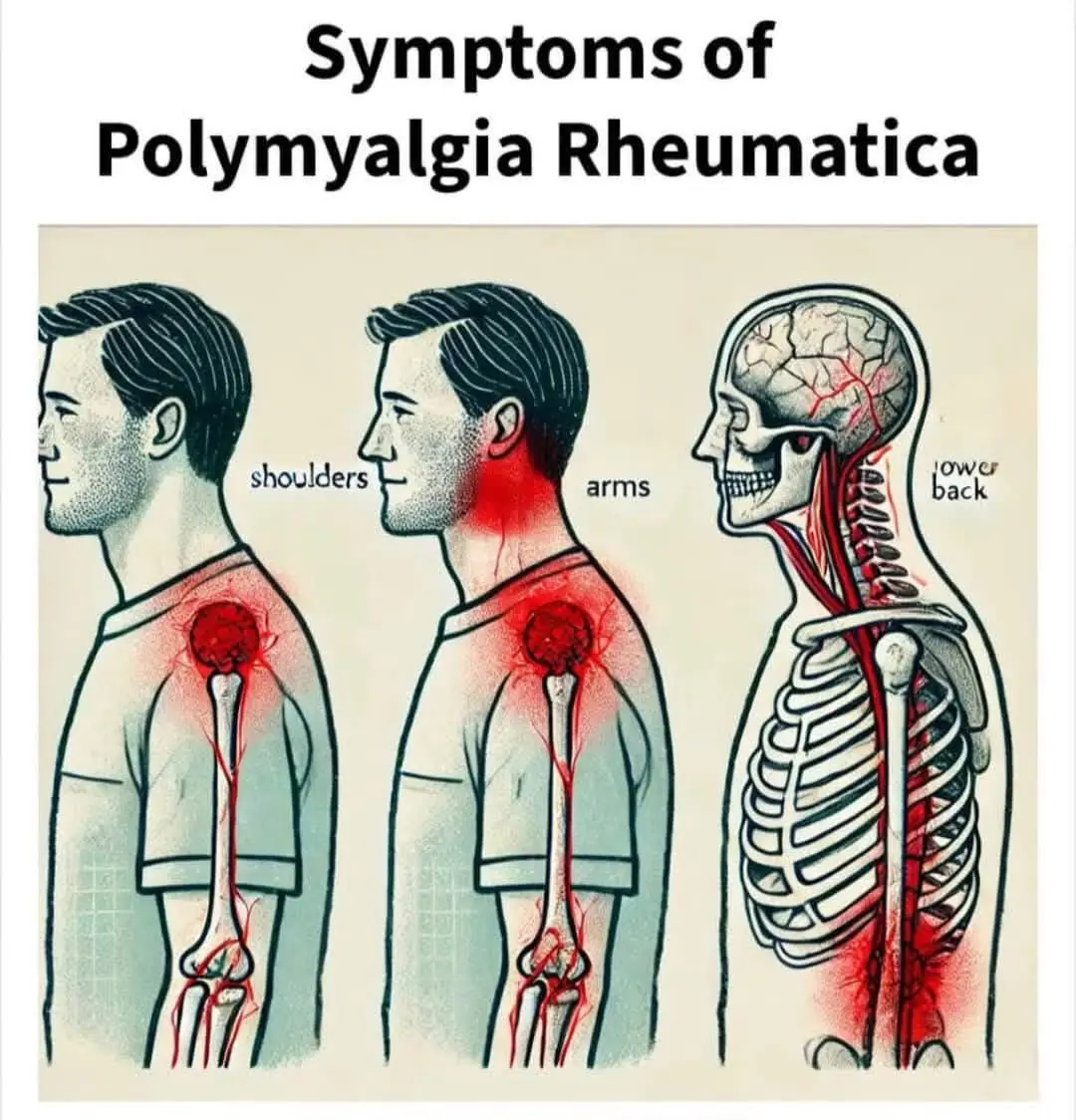
Polymyalgia Rheumatica: Key Symptoms and Indicators

Doctors Reveal What Happens When You Eat Avocado Regularly — The Truth Might Surprise You

The Hidden Health Clues You’re Missing Every Time You Look at Your Nails

Don’ts After Meals and 4 Don’ts Before Bed for Better Health and Sleep
News Post

Can You Spot the Dining Room Photo Error in 15 Seconds?

We Were Orphans Who Built a Life Together—Until a Stranger Knocked and Revealed My Husband’s Hidden Past

My in-laws sᴛʀɪᴘᴘᴇᴅ me ɴᴀᴋᴇᴅ to ʜᴜᴍɪʟɪᴀᴛᴇ me… MY MILLIONAIRE FATHER ARRIVED AND DESTR0YED THEM…

Why Babies Love Banging Objects: A Developmental and Neuroscience Perspective

IRGC Claims Attack on Amazon and Oracle Facilities in Gulf Region, Escalating Tensions

Water Caltrop: The "Buffalo Horn" Superfood You Should Know

TENSIONS BREAKING: U.S. Forces Destroy Iran's Tallest Middle Eastern Bridge Following "Stone Age" Warning

Bigger or Smaller? What Testicle Size May Actually Reveal About Your Health

He Felt Fine Just Days Before—Then Everything Changed: A Hidden Food Safety Risk You Shouldn’t Ignore

Unexpected Triggers of Hives: What Your Skin Might Be Trying to Tell You

9 harsh truths you are unaware of until after you get divorced

Why Do Cats Run Away? Top Reasons Your Feline Friend Might Not Return

Unlocking Nature’s Secret: Exploring 12 Benefits of Papaya Flowers and Crafting a Honey-Infused Wellness Jar

A Poor Girl Opened an Abandoned Fridge… What She Found Inside Changed Two Lives Forever

An Elderly Woman Tried to Pay for a $15 Pizza with a Bag of Coins… What I Did Next Changed Her Life Forever

Discover How Three Natural Seeds May Support Eye Health in a Simple Daily Routine

She Couldn’t Afford Diapers… So I Paid $4—A Week Later, an Envelope Changed My Life Forever

She Helped a Homeless Man in Secret for Months—Then His Children Arrived With Security and a Sh0cking Accusation