What a Squeaking Hip Could Mean

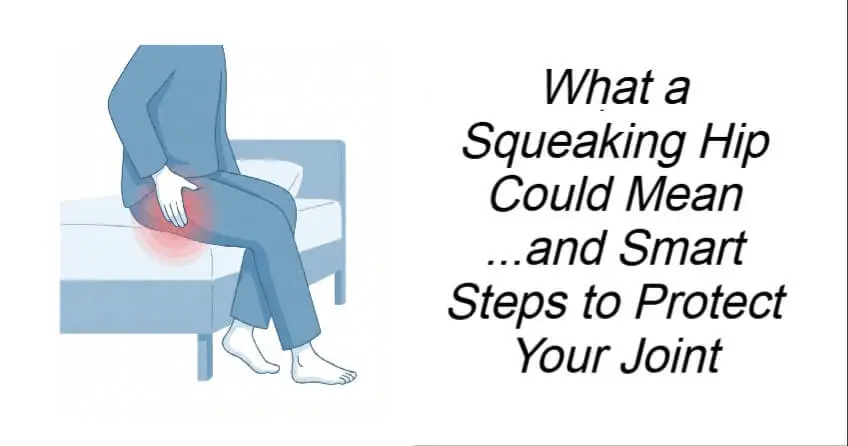
What a Squeaking Hip Could Mean …and Smart Steps to Protect Your Joint
If your hip has started making unusual sounds—often described as squeaking, grinding, clicking, or popping—it’s easy to brush it off as harmless. But these sensations can be your body’s way of signaling that something isn’t quite right inside the joint.
In many cases, a “squeaking” hip may indicate early cartilage wear, increased friction within the joint, or structural issues such as hip osteoarthritis or a labral tear. While not every sound points to a serious problem, paying attention early can make a significant difference in protecting long-term joint health.
Don’t Ignore the Signs—Get It Checked Early
A noisy hip isn’t just an annoyance. Persistent sounds, especially when paired with stiffness, pain, or reduced mobility, can signal joint degeneration or mechanical dysfunction.
Seeking evaluation from an orthopedic specialist or sports medicine physician allows potential issues to be identified early. A physical exam, along with imaging such as X-rays or an MRI, can help pinpoint the cause. Early intervention—often through physical therapy or targeted lifestyle changes—may slow disease progression and, in some cases, delay or prevent the need for surgical procedures like hip replacement.
Support Your Hip With Smart Lifestyle Changes
Reduce Joint Load
Excess body weight significantly increases stress on the hip joint. Research suggests that for every pound of weight lost, roughly four pounds of pressure are reduced on the hip during walking. Even modest weight loss—3 to 5 kilograms (7–11 pounds)—can noticeably ease joint strain and discomfort.
Move Wisely
High-impact activities can accelerate wear on already stressed joints. If your hip is squeaking, it may be wise to limit or avoid activities such as:
- Running and jumping
- Deep lunges
- Heavy squats
Instead, choose low-impact exercises that support mobility without excessive strain:
- Swimming or water aerobics, which nearly eliminate joint stress
- Cycling, either stationary or outdoors
- Walking on flat, even surfaces
These activities help maintain cardiovascular fitness and joint flexibility while protecting cartilage.
Strengthen the Muscles That Support the Hip
Weak gluteal muscles, core muscles, and hip stabilizers can force the hip joint to absorb more stress than it should. Strengthening these areas improves alignment and stability, reducing friction inside the joint.
A physical therapist can design a personalized program that may include exercises such as:
- Clamshells
- Bridges
- Side leg raises
Done consistently, these movements can improve joint mechanics and help relieve discomfort.
The Bottom Line
A squeaking hip isn’t something to panic about—but it’s also not something to ignore. Early attention, thoughtful movement choices, and proper muscle support can go a long way in preserving joint health. Listening to your body now may help you stay active, mobile, and pain-free for years to come.

News in the same category


I always wondered what that was... You might have... 😱

Coffee and Kid.ney Health: What You Need to Know Before It's Too Late

Here are the consequences of sleeping with a… See more

Most Older Adults Don't Live Much Past 80: Here Are 4 Reasons

These Are the First Symptoms of Sleeping with Pets (And How to Rest Easy Anyway)

8 Warning Signs of Stroke That May Appear One Month Before — and 9 Ways to Help Reduce Your Risk

Eating One Boiled Sweet Potato Every Day: What Really Happened After 30 Days?

How to Treat H. Pylori (Helicobacter Pylori) Naturally Without Antibiotics

Honey and Cinnamon: A Proven Natural Cure For Many Diseases (Evidence Based)

Health Benefits of Green Tea: Weight Loss, Skin, and More (Science Based)

How Much Apple Cider Vinegar Should You Drink?

Medicinal Health Benefits of Garlic (Raw, Supplement) – Science Based

Natural Herbal Drink to Try for Adults Aged 30–75

🌿 Guava Leaves: A Traditional Herbal Remedy Many People Use—But Few Truly Understand 🍃

Magnesium in Water: A Simple Daily Habit to Support Hydration and Healthy Circulation for Older Adults

Parsley Tea: A Simple Herbal Drink to Support Everyday Wellness

Cholesterol-Free Anti-Inflammatory Drink: A Simple Homemade Recipe to Support Everyday Wellness

10 Signs You’re Eating Too Much Sugar
News Post

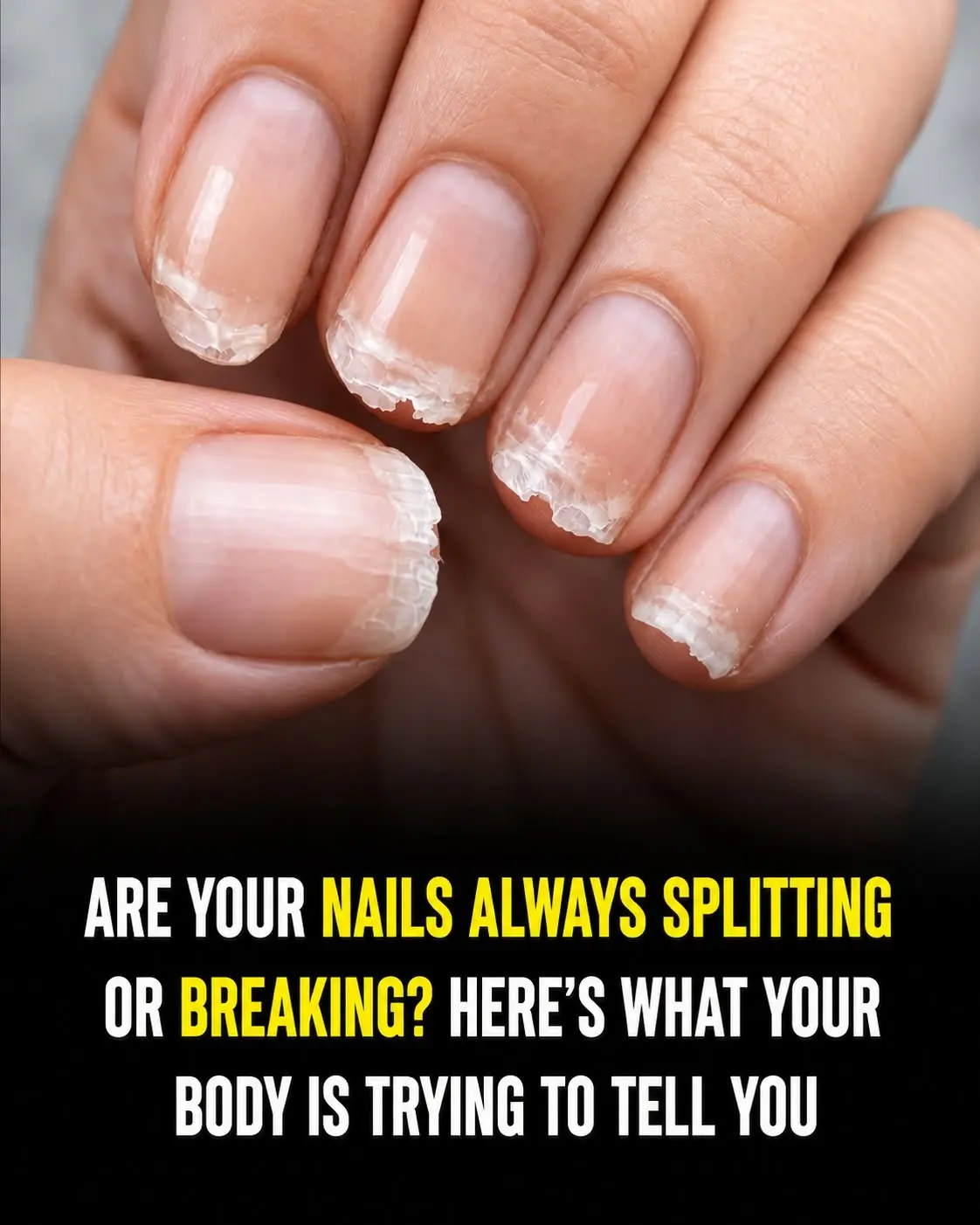
Brittle or Splitting Nails? Here’s What Your Body Might Be Trying to Tell You

Did you know that if cockroaches come to your home, it's a sign that... see more

If You Are Getting White Pimples on Your Lips or Intimate Area, Here's What They Could Mean

I always wondered what that was... You might have... 😱

I Gave up Everything to Raise My Late Fiancée's 6 Children – 10 Years Later, Her Oldest Son Came to Me and Said, 'Dad, I Think You Deserve to Know the Truth About Mom'

Coffee and Kid.ney Health: What You Need to Know Before It's Too Late

Here are the consequences of sleeping with a… See more

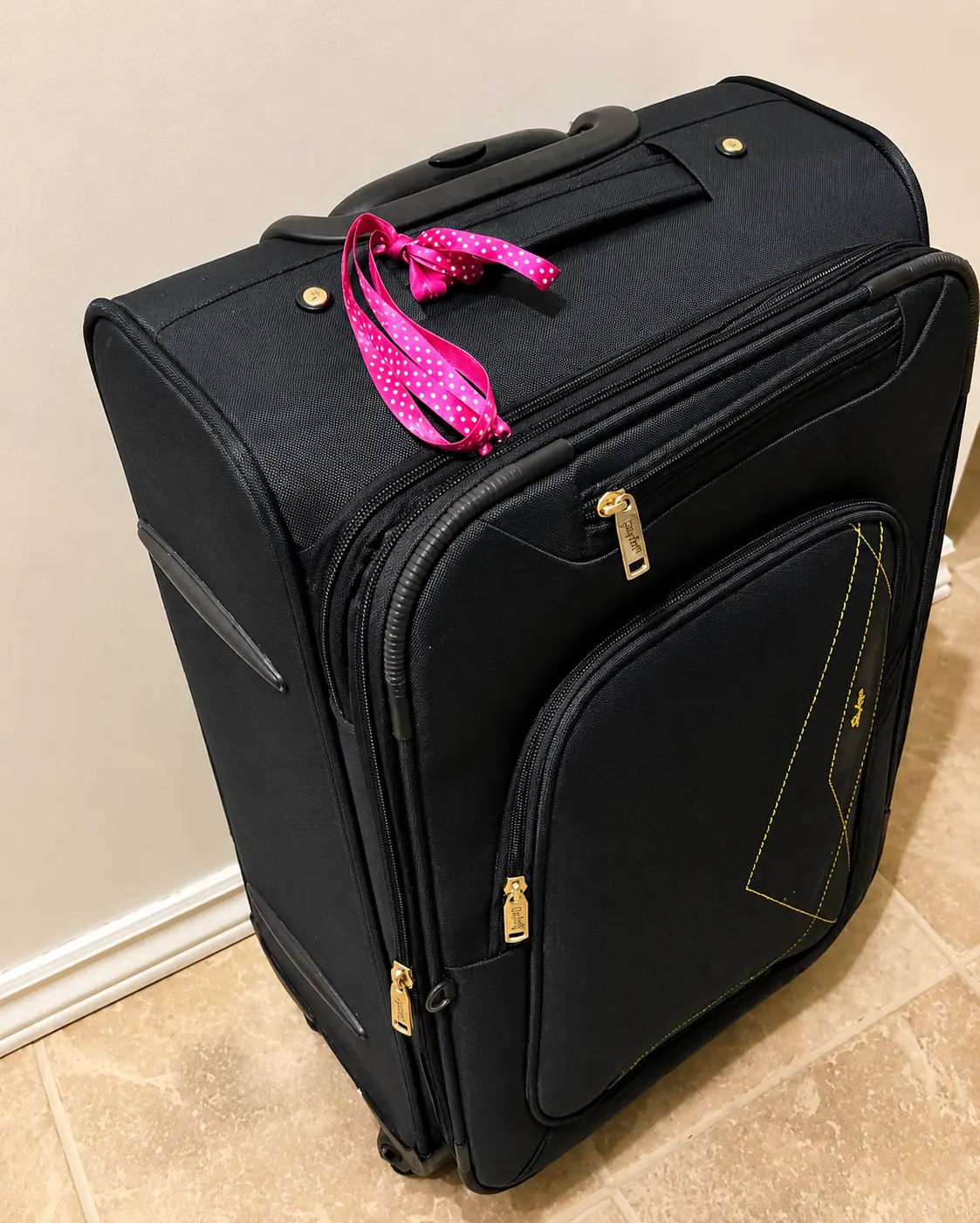
Never Tie a Ribbon On Your Luggage

My Husband Spent 20 Years Swearing the Woman Tattooed Over His Heart Was Imaginary, Her Name Was Rose…

Most Older Adults Don't Live Much Past 80: Here Are 4 Reasons

These Are the First Symptoms of Sleeping with Pets (And How to Rest Easy Anyway)

8 Warning Signs of Stroke That May Appear One Month Before — and 9 Ways to Help Reduce Your Risk

Michael Jackson's Daughter Paris Jackson: Building Her Own Identity Beyond a Legendary Legacy

Eating One Boiled Sweet Potato Every Day: What Really Happened After 30 Days?

Trick To Stop Mosquito Bite From Itching

How to Treat H. Pylori (Helicobacter Pylori) Naturally Without Antibiotics

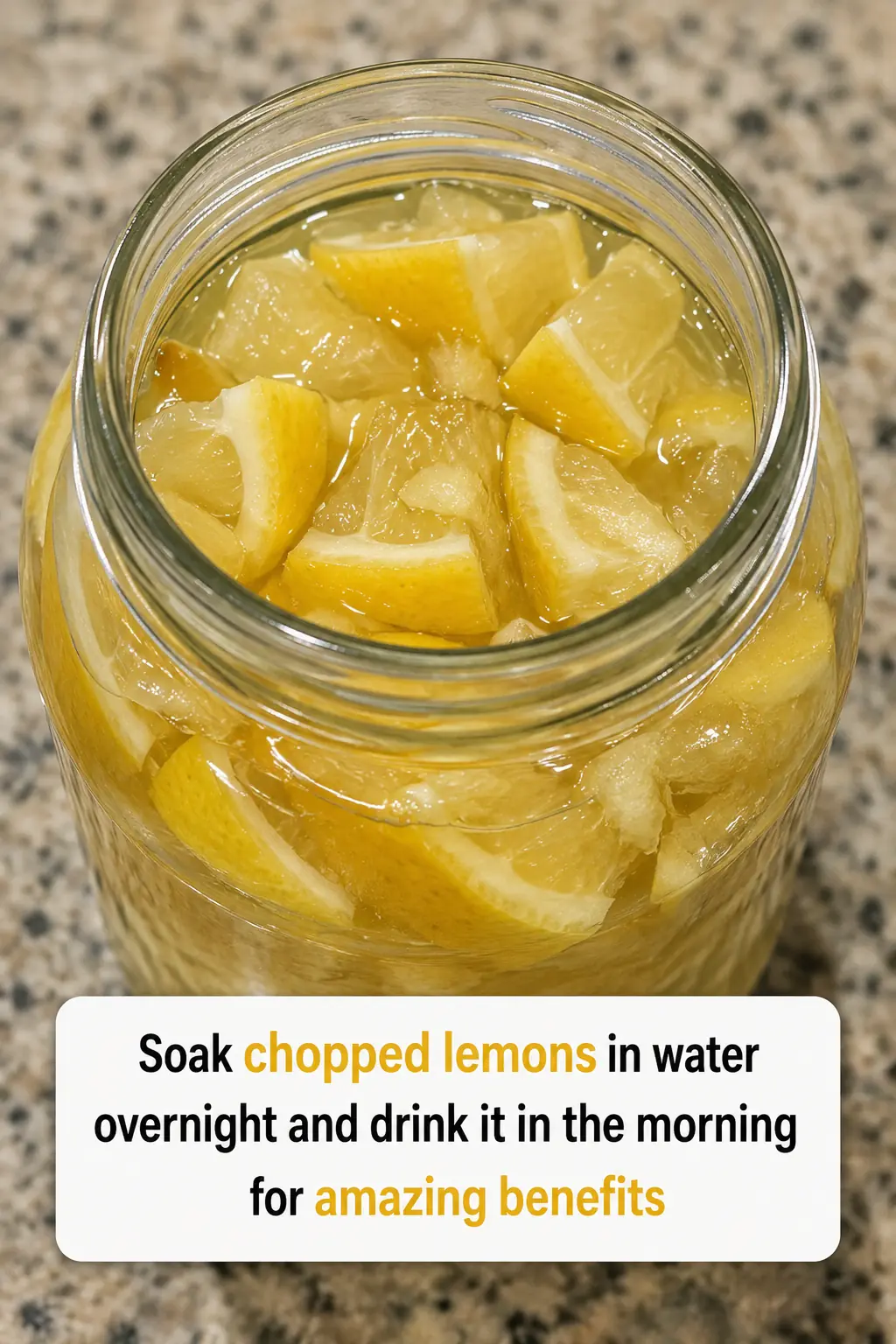
Soak leftover squeezed lemon halves and 1 common liquid and you will never go back

Honey and Cinnamon: A Proven Natural Cure For Many Diseases (Evidence Based)