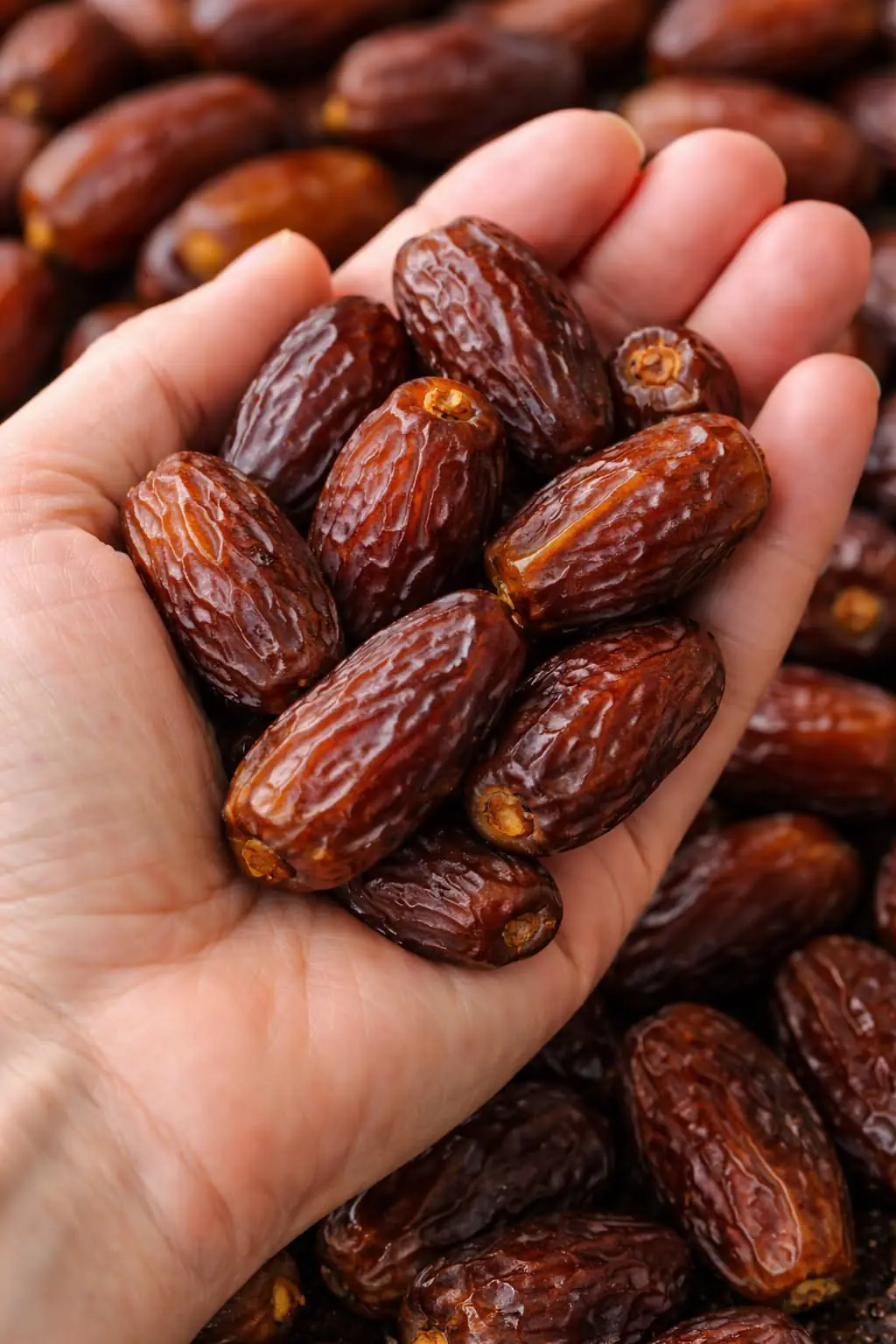
Proven Health Benefits of Dates (Dried, Fresh, Medjool) – Science Based
Health 12/07/2026 22:10
Experts Suggest Reducing These 3 Foods to Support Better Stroke Prevention
Stroke is one of the leading causes of death and long-term disability worldwide. It occurs when blood flow to part of the brain is interrupted, depriving brain cells of oxygen and nutrients. While some risk factors—such as age and genetics—cannot be changed, many others are closely linked to lifestyle choices, including diet.
The foods we eat every day can have a significant impact on blood pressure, cholesterol levels, blood sugar, body weight, and the health of our blood vessels. Over time, consistently consuming certain foods in excessive amounts may contribute to conditions that increase the risk of stroke.
It's important to understand that no single food directly causes a stroke. However, regularly eating large quantities of certain foods may increase risk when combined with other factors such as smoking, physical inactivity, obesity, diabetes, or high blood pressure.
Let's explore three types of foods that health experts commonly recommend limiting as part of a heart- and brain-healthy lifestyle.
There are two major types of stroke.
This is the most common type, accounting for approximately 85% of all strokes. It occurs when a blood clot blocks an artery supplying the brain.
This type occurs when a weakened blood vessel ruptures, causing bleeding inside the brain. Many of the lifestyle habits that support heart health also help reduce stroke risk.
Processed meats include products such as:
Bacon
Sausages
Hot dogs
Salami
Ham
Deli meats
These foods are often high in:
Sodium
Saturated fat
Preservatives
Nitrates and nitrites
Excess sodium intake can contribute to elevated blood pressure. High blood pressure is considered one of the most significant risk factors for stroke. In addition, diets high in processed meats have been associated in some studies with increased cardiovascular risk. This does not mean an occasional serving is harmful, but regularly consuming large amounts may not support optimal vascular health.
Consider choosing:
Fresh poultry
Fish
Beans
Lentils
Tofu
Lean cuts of meat
Many people consume more added sugar than they realize. Common sources include:
Soft drinks
Sweetened fruit beverages
Energy drinks
Candy
Cakes
Pastries
Sweetened breakfast cereals
Excess sugar intake may contribute to:
Weight gain
Obesity
Insulin resistance
Type 2 diabetes
Elevated triglycerides
These conditions are associated with increased cardiovascular and stroke risk. Replacing sugary drinks with water or unsweetened beverages may help reduce unnecessary calorie intake and support overall health.
Many packaged and restaurant foods contain surprisingly high levels of sodium. Examples include:
Instant noodles
Potato chips
Fast food
Canned soups
Frozen meals
Salty snacks
Sodium helps regulate fluid balance, but consuming too much can increase blood pressure in many individuals. Chronically elevated blood pressure places extra strain on blood vessels, including those supplying the brain. Over time, this may increase the likelihood of both ischemic and hemorrhagic strokes.
Taste food before adding salt.
Cook more meals at home.
Read nutrition labels.
Choose lower-sodium products whenever possible.
Flavor foods with herbs and spices instead of extra salt.
Limiting the foods above is only part of the picture. Overall eating patterns matter much more than any single food.
Fruits and vegetables provide:
Fiber
Potassium
Vitamins
Antioxidants
These nutrients support healthy blood vessels and cardiovascular function. Aim to include a variety of colorful produce each day.
Whole grains such as:
Oats
Brown rice
Quinoa
Whole wheat
provide more fiber and nutrients than refined grains.
Healthy fat sources include:
Olive oil
Avocados
Nuts
Seeds
Fatty fish such as salmon and sardines
These foods may support heart and brain health when eaten as part of a balanced diet.
Diet works best when combined with other healthy habits.
Regular exercise helps support:
Healthy blood pressure
Weight management
Blood sugar control
Cholesterol balance
Aim for at least 150 minutes of moderate-intensity physical activity each week, or as recommended by your healthcare provider.
Smoking damages blood vessels and greatly increases stroke risk. Quitting smoking provides benefits at any age.
Excessive alcohol intake may contribute to:
High blood pressure
Heart rhythm disturbances
Weight gain
Moderation is key.
Carrying excess body weight increases the likelihood of several stroke risk factors, including:
Hypertension
Diabetes
High cholesterol
Even modest weight loss can improve overall cardiovascular health.
Stroke develops through a combination of factors. No single food directly causes a stroke on its own.
A balanced dietary pattern is more important than occasionally eating one healthy item. Consistency matters.
Although risk increases with age, strokes can occur in younger adults as well, especially when risk factors are present.
Recognizing stroke symptoms quickly can save lives. Remember the FAST acronym:
F – Face drooping: One side of the face may droop or feel numb.
A – Arm weakness: One arm may become weak or numb.
S – Speech difficulty: Speech may become slurred or difficult to understand.
T – Time to call emergency services: Immediate medical attention is critical.
Other symptoms may include:
Sudden vision changes
Severe headache
Dizziness
Loss of balance
Confusion
Never wait to see if symptoms improve.
Speak with a healthcare professional if you have:
High blood pressure
Diabetes
High cholesterol
A family history of stroke
Frequent headaches
Concerns about cardiovascular risk
Regular checkups can help identify risk factors before complications develop.
Your daily food choices play an important role in protecting your heart, brain, and blood vessels. While processed meats, sugary foods and beverages, and high-sodium foods can all fit into an occasional balanced diet, consuming them excessively over time may contribute to conditions that increase stroke risk.
Fortunately, reducing these foods while emphasizing fruits, vegetables, whole grains, lean proteins, and healthy fats can support long-term cardiovascular health. Combined with regular physical activity, adequate sleep, stress management, and routine medical care, these habits form a strong foundation for stroke prevention.
Small improvements made consistently often produce the greatest benefits. Protecting your brain begins long before a stroke occurs—and every healthy meal is a step in the right direction.