Cabbage Is Healthy
Health 30/05/2026 14:37
Have you ever found yourself trapped in a terrifying moment during sleep — fully aware of your surroundings, able to see or hear what’s happening — yet completely unable to move or scream?
You try to lift your arm, call out for help, or even twitch a finger, but your body refuses to respond.
Your chest may feel heavy, your breathing tight, and sometimes you might even sense a presence in the room.
If this sounds familiar, you have likely experienced sleep paralysis.
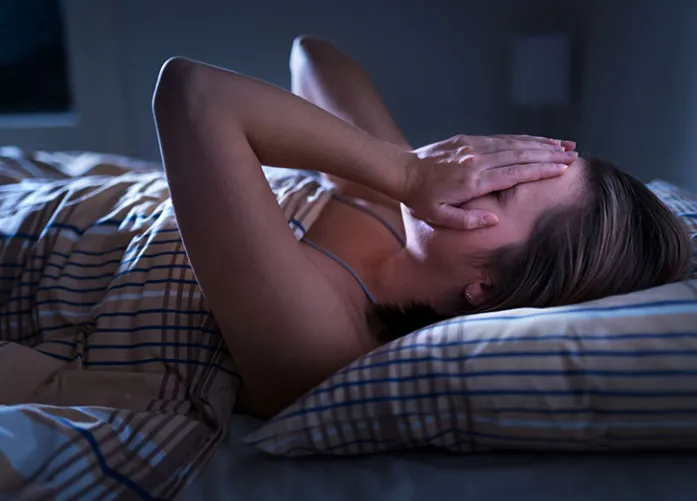
Sleep paralysis is a temporary condition that occurs when your brain wakes up but your body remains in a state of muscle atonia — the natural paralysis that happens during REM (Rapid Eye Movement) sleep.
During REM sleep, your body intentionally shuts down most voluntary muscles to prevent you from physically acting out your dreams.
This is a protective mechanism. However, sometimes your mind wakes up before your body does.
When that happens, you become conscious while your muscles are still “turned off.”
The result is a frightening inability to move or speak.
This condition typically lasts anywhere from a few seconds to a couple of minutes.
Although it feels much longer in the moment, it eventually resolves on its own when your brain fully transitions to wakefulness and restores muscle control.
One of the most disturbing aspects of sleep paralysis is that it is often accompanied by hallucinations.
These hallucinations can be visual, auditory, or tactile.
Some people report seeing shadowy figures, hearing footsteps, whispers, or feeling pressure on their chest.
Historically, these experiences were interpreted as supernatural encounters — demons, spirits, or “night witches” sitting on the chest.
In reality, they are dream imagery overlapping with waking consciousness.
Because REM sleep is strongly associated with vivid dreaming, parts of the dream world can spill into real awareness.
There are several common causes and risk factors associated with sleep paralysis.
One major trigger is sleep deprivation.
When you don’t get enough rest, your sleep cycle becomes disrupted.
Irregular sleep schedules — such as staying up very late, working night shifts, or frequently changing time zones — can also increase the likelihood of episodes.

Stress and anxiety are significant contributors.
When the mind is overloaded with worry or emotional tension, it can disturb REM patterns.
High stress levels increase sleep fragmentation, meaning you are more likely to partially awaken during REM sleep — the exact situation that causes paralysis episodes.
Another factor is sleeping position.
Research shows that sleep paralysis occurs more often when lying on your back (the supine position).
While the exact reason is not fully understood, this position may make breathing feel more restricted, which can intensify sensations of chest pressure during an episode.
Certain medical conditions can increase risk as well.
People with narcolepsy — a neurological sleep disorder — experience sleep paralysis more frequently.
Depression, post-traumatic stress disorder (PTSD), and panic disorders are also associated with higher rates of episodes.
Despite how terrifying it feels, sleep paralysis is generally not physically dangerous.
It does not cause suffocation, brain damage, or long-term harm.
The sensation of being unable to breathe properly is usually due to shallow REM breathing combined with anxiety.
When you panic, your perception of breathing difficulty increases, making the experience feel worse than it actually is.
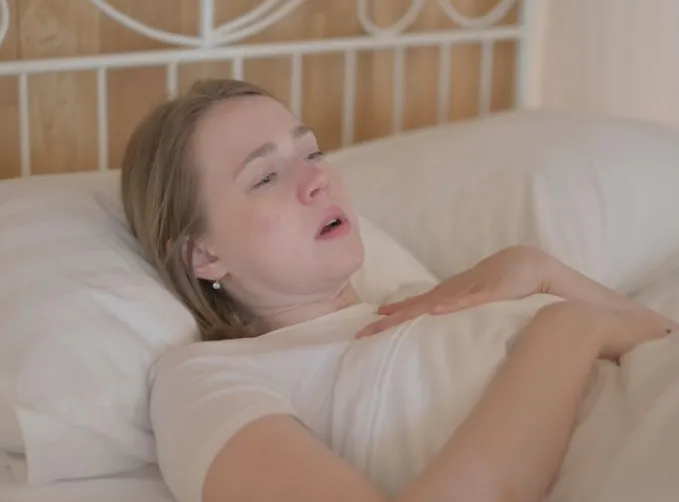
However, frequent episodes can significantly impact mental health.
Repeated fear during sleep may lead to insomnia, bedtime anxiety, or avoidance of sleep altogether.
Some individuals become afraid of falling asleep because they worry it will happen again.
Fortunately, there are ways to reduce or prevent episodes:
Maintain a consistent sleep schedule. Go to bed and wake up at the same time each day.
Aim for 7–9 hours of quality sleep per night.
Reduce stress through relaxation techniques such as meditation, deep breathing, or gentle stretching before bed.
Avoid heavy meals, caffeine, or alcohol close to bedtime.
Improve sleep hygiene — keep your bedroom dark, cool, and quiet.
Try sleeping on your side instead of your back.
Limit screen time before bed to reduce brain stimulation.
If sleep paralysis happens frequently or causes severe distress, consulting a healthcare provider is recommended.
In some cases, underlying sleep disorders or mental health conditions may need treatment.
Doctors may suggest behavioral therapy or, in rare cases, medication that regulates REM sleep.
If you experience an episode, it helps to stay calm — even though that feels nearly impossible.
Remind yourself that it is temporary and will pass. Focus on slow breathing.
Some people find that concentrating on moving a small muscle, like a toe or fingertip, helps break the paralysis more quickly.
Interestingly, some individuals learn to use sleep paralysis as a gateway into lucid dreaming.
Because the mind is awake while the body remains in REM, it can sometimes transition into a controlled dream state.
While this requires training and calmness, it shows that the experience is not purely negative — it is a natural neurological phenomenon.
It is estimated that up to 20–30% of people will experience sleep paralysis at least once in their lifetime.
Teenagers and young adults are more commonly affected, but it can happen at any age.
In summary, the experience of trying to scream or move in your sleep but being unable to do so is most likely sleep paralysis — a temporary overlap between REM sleep and wakefulness.
It can feel intensely real and frightening, especially when accompanied by hallucinations, but it is not dangerous.
The main triggers include sleep deprivation, stress, irregular sleep patterns, and certain mental health conditions.
Prevention focuses on improving sleep hygiene and managing stress.
Understanding what is happening inside your brain during these episodes is often the most powerful tool.
When fear is replaced with knowledge, the experience becomes less mysterious — and far less terrifying.