Your Dog Isn’t Stealing Your Bed For The Reason You Think
Facts 25/07/2026 16:55
There is a specific kind of heartbreak known only to those who love avocados, but don’t live in a country that produces them. You’ve waited three days (or more!) for the rock-hard avocado on your counter to reach that elusive window of perfect ripeness. You’ve checked gently to see if it’s ready and, to your delight, it is. You grab your knife and slice it open, expecting to see the buttery, light-green flesh that avocados are loved for. Instead, you find a web of tough, brown, hair-like strings running through it.
It’s frustrating, a bit unappetizing, and, for many people, a sad reason to toss the whole fruit into the compost bin. But before you declare your avocado toast dreams dead, it’s worth asking: what actually are those fibers, those avocado strings? Does this mean your avocado is bad or not? This is the science behind those annoying strings and how to know if your avocado is edible or not.
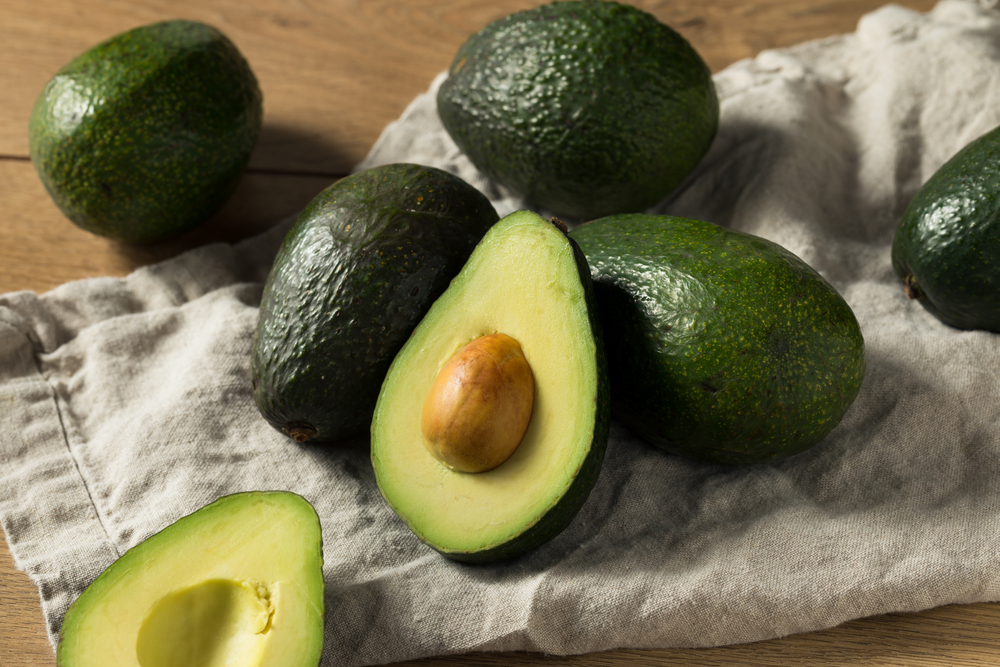 Avocados are normally creamy, but sometimes there are stringy avocados that make people question whether or not they are still good to eat.
Image credit: Shutterstock
Avocados are normally creamy, but sometimes there are stringy avocados that make people question whether or not they are still good to eat.
Image credit: ShutterstockTo understand why an avocado behaves the way it does, we first have to understand what it is. Botanically speaking, the avocado (Persea americana) is a large berry with a single seed. While we treat it like a vegetable in the kitchen, adding it to salads, smashing it with salt and lime into a guacamole, or slicing it onto burgers, its biological makeup is that of a fruit.
The avocado tree is a member of the flowering plant family Lauraceae, which also includes cinnamon and bay laurel. Native to South-Central Mexico, avocados have been a staple of the Mesoamerican diet for nearly 10,000 years. The Aztecs called it āhuacatl, a word that also meant, rather unappetizingly so, “testicle.” This is likely due to the fruit’s shape and the way it hangs in pairs on the tree.
Unlike most fruits, avocados do not ripen on the tree. They can hang on the branch for months, acting as a sort of natural storage. It is only once they are picked, and the flow of ethylene (a ripening hormone) begins, that the softening process starts. This unique characteristic is why avocados can be shipped across the globe while still hard, but it also contributes to the mystery of what you find when you finally crack one open.
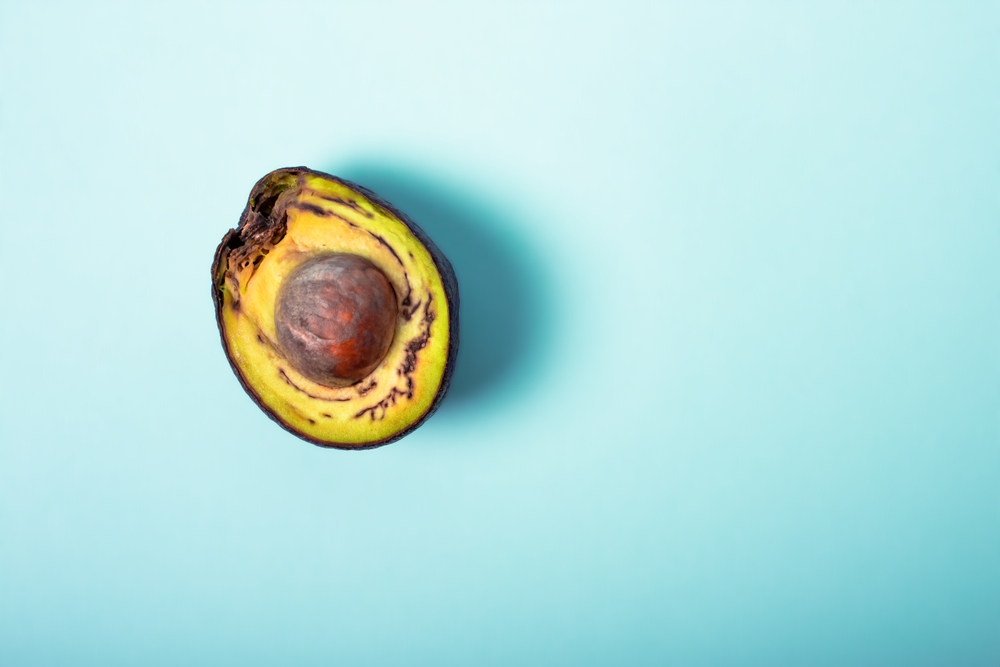 What the strings in avocado mean.
Image credit: Shutterstock
What the strings in avocado mean.
Image credit: ShutterstockSo, you’ve sliced your avocado and found it full of strings. These are technically called vascular bundles. To understand them, think of the avocado as having a plumbing system.
1. The “Plumbing” System
Just like the veins in your body or the pipes in your house, vascular bundles are responsible for transporting water and nutrients from the tree into the fruit. Every avocado has them. Usually, they are so soft and well-integrated into the creamy flesh that you don’t even notice them.
2. Immature Trees
The most common reason for excessively stringy avocados is the age of the tree. Young, adolescent avocado trees are still figuring out their internal systems. They often produce fruit with larger, tougher vascular bundles as they over-compensate to ensure the developing fruit gets enough nutrients. If you buy avocados early in the season, you are more likely to encounter fruit from these younger trees.
3. Improper Storage and Temperature Stress
Avocados are sensitive. If they are stored in temperatures that are too cold during the ripening process, or if they are subjected to extreme heat while still on the tree, the vascular bundles can toughen and turn brown. This is a physiological reaction to stress. The fibers become “lignified;” essentially turning a bit more wood-like, making them stand out against the soft flesh.
4. Over-Ripening
Sometimes, strings appear because the fruit has been sitting on the shelf too long. As the flesh begins to break down and lose its structural integrity, the tougher vascular bundles remain, becoming more prominent and sometimes oxidizing (turning a black or brown color) as they react with oxygen, aka the air.
The good news is that these fibers are not harmful. They are perfectly safe to eat, though the texture can be off-putting. If you encounter a stringy avocado that otherwise tastes fine, the best solution is to mash it thoroughly for guacamole or whiz it in a blender for a smoothie. The blades will break down the fibers, and you’ll never know they were there.
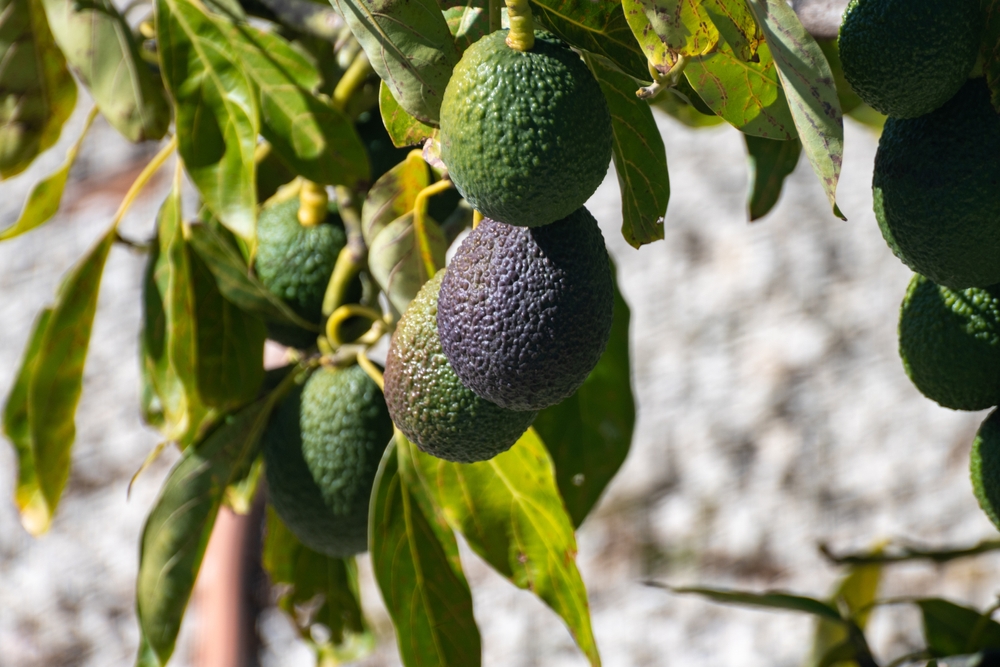 Avocados don’t ripen on the tree. Knowing when to eat them can be difficult.
Image credit: Shutterstock
Avocados don’t ripen on the tree. Knowing when to eat them can be difficult.
Image credit: ShutterstockKnowing when to cut into an avocado is a fine art. Because the fruit stays firm until it is harvested, the clock starts the moment it leaves the orchard. Use the following as a guide to knowing if your avocado is ready-to-eat:
Safe vs. Unsafe: Reading the Inner Flesh
The biggest anxiety for avocado lovers is seeing a color other than vibrant green. However, brown isn’t always a dealbreaker. Let’s break down the red flags versus the keep calm and eat on moments.
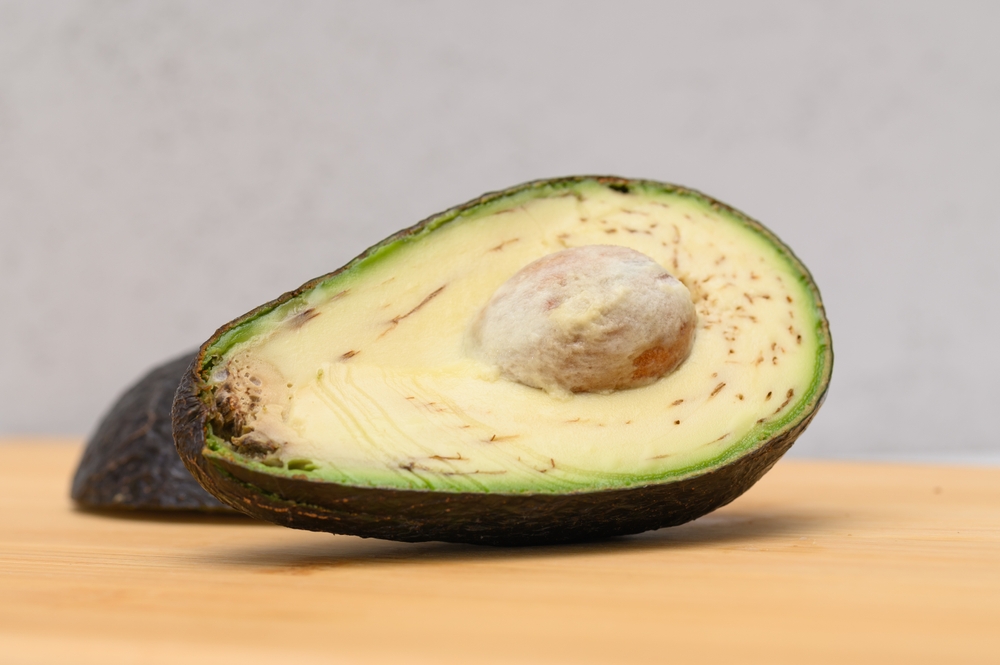 A stringy or slightly browned avocado can be off-putting, but it is not unsafe.
Sometimes, your avocado might not look as expected. The following are common examples of that, but they are still completely fine to eat.
Localized Brown Spots
If you see a small brown bruise or a patch of gray-brown flesh, it’s usually just a result of physical bruising during transport. Simply scoop out that small section and eat the rest.
Yellowing Flesh
The area closest to the put is often more yellow than the outer edges. This is perfectly normal and usually the creamiest part of the fruit.
Oxidation (Surface Browning)
If you left half an avocado in the fridge and the top layer turned brown, that’s just a reaction to oxygen (the same thing that happens to apples). Scrape off the top millimeter, and the bright green underneath is perfectly good to eat.
When it’s Time to Say Goodbye
While most of the time, a not-perfect-looking avocado is still completely safe to eat, there are some cases when you’re better off throwing them in the compost.
Rancid Smell
As with most food items, if it smells bad, it likely is bad. A good avocado should smell slightly nutty at most, but usually like nothing at all. If it smells off, sour, or chemical-like (reminiscent of Play-Doh), throw it away. There are different standards when assessing the oil.
Stringy AND Moldy
If you see white or fuzzy mold on the skin or near the stem, or if there are black spots inside the flesh that look fuzzy, discard it. Mold can have invisible “roots” that penetrate the soft fruit.
Seep, Streaky Discoloration
While a few brown fibers are fine, if the entire interior is dark brown or black and the texture is mushy rather than creamy, the fruit has begun to ferment. It won’t taste good and could cause an upset stomach.
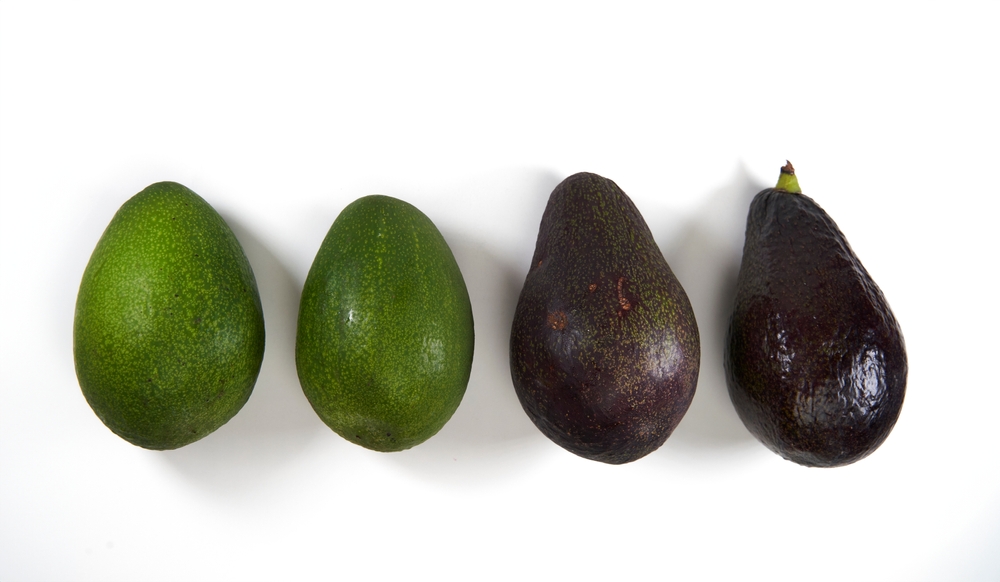 Avocado strings are not a bad thing. Just put them in the blender and enjoy the fruit.
To minimize the chances of stringy, bruised, or overripe fruit, keep these tips in mind:
The avocado is a complex, prehistoric fruit that has traveled thousands of miles (and years!) to reach your plate. Those stringy fibers, while annoying, are simply a testament to the fruit’s internal life, the remnants of its nutrient delivery system, or a sign that the tree it grew on was still finding its footing.
By understanding that strings don’t equal spoiled, you can reduce food waste and save your meal. Remember: use your senses. Trust the gentle squeeze, ignore the surface browning, but always listen to your nose if things smell sour. Next time you open up a fibrous avocado, don’t despair. Reach for the blender, add a little lime and sea salt, and turn those vascular bundles into the smoothest guacamole you’ve ever had.