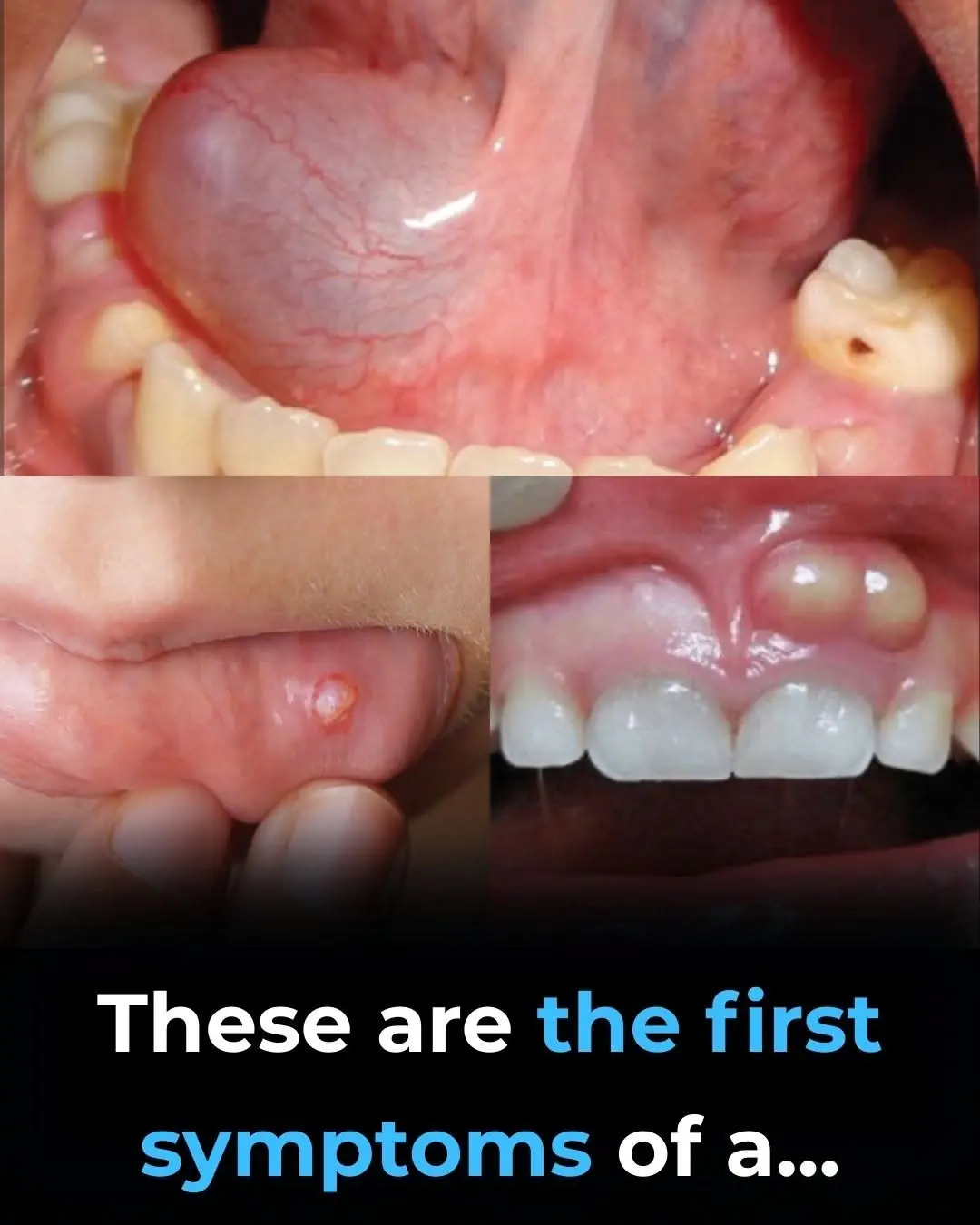
Hidden Dangers in Your Mouth: Early Signs of Oral Cancer
Health 10/07/2026 22:16
Hypertension (high blood pressure) commonly affects millions worldwide and increases the risk of heart disease and stroke. Dietary choices can significantly influence blood pressure control.
High blood pressure, or too much blood flowing through the arteries at once, is a growing global concern. It affected approximately 1.36 billion people in 2019, more than double the number diagnosed in 1990.1
Too much sodium causes your body to retain water, which increases blood volume and pressure on artery walls. This can lead to complications like heart disease and stroke.2
The 2025-2030 Dietary Guidelines for Americans recommend that the average healthy adult limit their daily sodium intake to 2,300 milligrams or less.3
Salty foods include:4
Saturated fat causes plaque build-up in arteries, which narrows them and restricts blood flow. This can raise blood pressure.2
The latest Dietary Guidelines for Americans recommend limiting saturated fat intake to less than 10% of your daily total calories.3 The American Heart Association takes a stricter approach, advising that saturated fat be limited to less than 6% of daily calories.5
Foods rich in saturated fat include:6
There's a clear link between long-term added sugar intake and increased abdominal (belly) fat, a risk factor for hypertension. Foods high in added sugars can cause blood sugar spikes, which stress cardiovascular health and trigger inflammation.78
The Dietary Guidelines for Americans recommend that no single meal exceed 10 grams of added sugar.3
Foods with added sugars include:910
Sugar-sweetened beverages can contribute to weight gain and insulin resistance, which increases your risk of high blood pressure. The high sugar content can cause significant blood sugar spikes, which may negatively affect blood and lymph flow in your body.11
Sugary beverages include:
Your blood vessels typically relax when you drink alcohol, possibly decreasing your blood pressure temporarily. After drinking a large amount or drinking for a long period, your blood pressure can go back up—sometimes higher than before.12
Alcohol’s effects vary from person to person, but consuming large amounts can contribute to weight gain and dehydration.
Alcohol may also interact with some medications, including some that affect blood pressure.
Alcoholic drinks include:
Frozen foods can be convenient, but many ultra-processed foods—like frozen meals—contain high levels of sodium, fat, and sugar. They have been linked to an increased risk of hypertension.13
Frozen foods include:
Foods high in cholesterol can negatively affect blood pressure, contributing to atherosclerosis (plaque buildup that narrows and stiffens the arteries). Research has linked high cholesterol levels to an increased risk of hypertension.14
High-cholesterol foods also contain saturated fats and other ingredients that may affect blood pressure.
High-cholesterol foods include:
High-fat fast food often contains saturated and trans fats, which may contribute to weight gain, high cholesterol levels, and body inflammation. Fast food may also contain a lot of sodium, which can affect fluid balance and blood pressure.
High-fat fast foods include:
Condiments are often high in sodium and may contain added sugar. Portion control can help lower the risk of high blood pressure. Small amounts that can add up quickly, making it easy to underestimate how much you use.
Condiments include:
Processed and packaged snacks are typically high in sodium, added sugars, and unhealthy fats. Packaged snacks are designed to have a long shelf life, so sodium-containing compounds are often used as preservatives.15
Many processed snacks also lack essential nutrients, making them less filling and requiring you to consume more to satisfy your hunger.
Processed foods include:
Some foods contribute to high blood pressure, but research has shown that other foods can help lower it and reduce the risk of hypertension. Fresh fruits, vegetables, nuts, whole grains, and oily fish can benefit many aspects of health, including blood pressure levels.16
Here are a few foods to prioritize:
Lifestyle habits, including diet, physical activity, stress management, and sleep quality, can affect blood pressure levels. If your blood pressure remains high, you may need professional support.
People with a complex medical history and complex dietary needs may benefit from individualized support. A registered dietitian can help you plan meals that support your personal nutrition needs.
Seek guidance from a doctor regarding medication concerns. If you have symptoms from prescribed blood pressure medications, seek help from a doctor promptly.