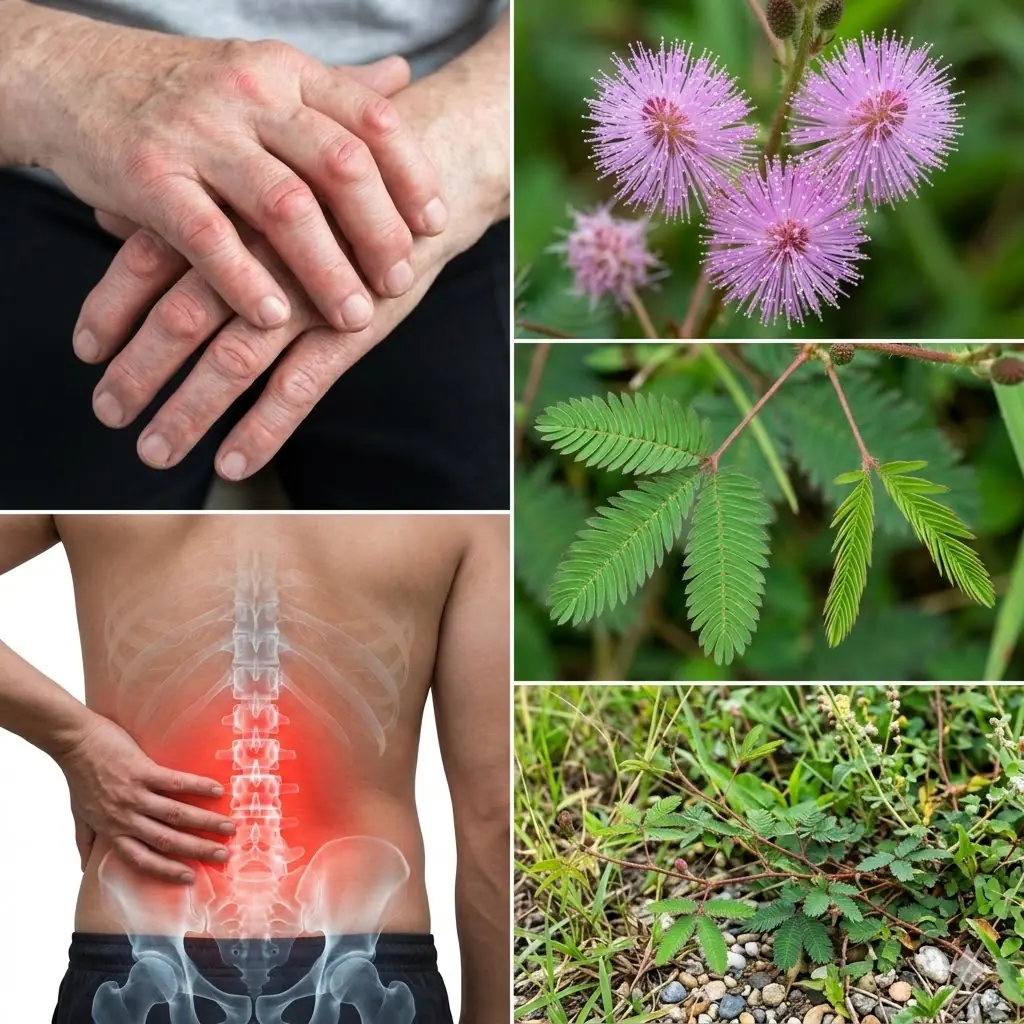
🦴 Hip Pain: What Does It Mean? Common Causes & When to Seek Help
Health 04/03/2026 21:58
Caffeine is one of the most commonly consumed stimulants in the world. It is naturally present in beverages like coffee, tea, soft drinks, and energy drinks, and many people rely on it to stay alert, focused, and productive throughout the day. When consumed in moderate amounts, caffeine can improve concentration and temporarily reduce fatigue. However, drinking too much caffeine can begin to affect the body in negative ways.
Because caffeine stimulates the nervous system and influences several bodily functions, excessive intake may lead to uncomfortable symptoms or health concerns. Paying attention to how your body reacts to caffeine is important for maintaining balance and overall well-being. Below are ten warning signs that your caffeine consumption might be higher than what your body can comfortably handle.

Caffeine is sometimes used as a short-term remedy for headaches because it can constrict blood vessels and enhance the effectiveness of certain pain medications. However, when consumed regularly in large amounts, caffeine may actually trigger headaches.
Over time, the body can become dependent on caffeine. If you skip your usual coffee or energy drink, withdrawal symptoms can occur, and headaches are one of the most common. In addition, caffeine can contribute to dehydration in some people, which is another factor that may increase the likelihood of headaches.
Caffeine stimulates the central nervous system, which can increase muscle activity. When intake becomes excessive, some individuals may experience involuntary muscle twitches or spasms.
This can happen because high caffeine levels may interfere with the balance of important minerals such as magnesium and potassium. These electrolytes play a vital role in muscle contraction and relaxation. When the balance is disrupted, the muscles may react with small, uncontrolled movements.

One of caffeine’s main effects is increased alertness. It works by blocking adenosine, a chemical in the brain that promotes relaxation and sleepiness. While this can help you feel more awake, too much caffeine may overstimulate the nervous system.
As a result, some people may experience symptoms such as nervousness, rapid thoughts, irritability, or a racing heart. Individuals who are naturally sensitive to stimulants or who already struggle with anxiety may notice these effects even with moderate amounts of caffeine.
Caffeine is naturally acidic and can stimulate the production of stomach acid. For some people, this may lead to digestive discomfort such as acid reflux, stomach irritation, or a burning sensation in the chest.
Excessive caffeine intake may also cause nausea, bloating, or a coated tongue. People with sensitive stomachs or conditions such as gastritis or acid reflux may be particularly vulnerable to these effects.
Caffeine has mild diuretic properties, meaning it can increase the body’s need to urinate. When large amounts are consumed without adequate water intake, this may contribute to mild dehydration.
Dehydration can affect various parts of the body, including the skin and scalp. A dry, itchy, or flaky scalp may sometimes indicate that the body is not retaining enough moisture, which could be linked to excessive caffeine consumption combined with insufficient hydration.
Restless Legs Syndrome (RLS) is a condition that causes an uncomfortable urge to move the legs, especially during periods of rest or at night. Because caffeine stimulates the nervous system, it can sometimes worsen these symptoms.
People who experience RLS may notice that their symptoms intensify after drinking coffee, tea, or energy drinks. Reducing caffeine intake, particularly in the afternoon and evening, may help lessen the severity of these sensations.
Caffeine can provide a temporary boost in energy by stimulating the brain and increasing adrenaline levels. However, this effect is often short-lived.
Once the stimulant effect fades, some people experience a noticeable drop in energy, often referred to as a “caffeine crash.” This may lead to fatigue, lack of focus, or irritability. In response, many people consume more caffeine, creating a cycle of repeated highs and lows throughout the day.
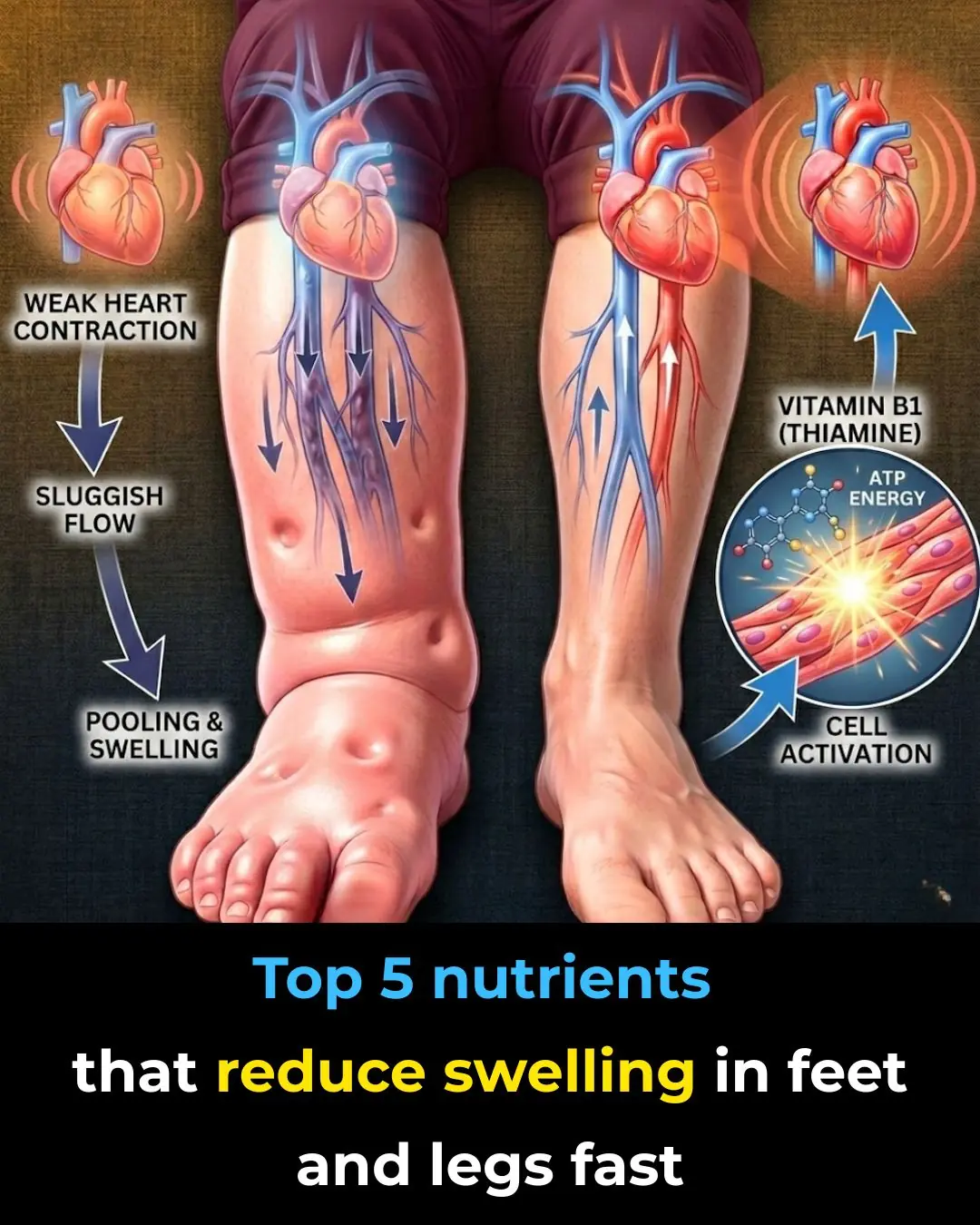
Although uncommon, some individuals may experience mild inflammation or swelling as a reaction to excessive caffeine intake. This response could be related to individual sensitivities, allergies, or the body’s inflammatory response.
In some cases, swelling may appear in the face, hands, or other areas. While caffeine is generally safe in moderate amounts, these unusual reactions may indicate that the body is struggling to process it effectively.
Caffeine is well known for its ability to keep people awake. It blocks the sleep-promoting effects of adenosine and can remain in the body for several hours after consumption.
Drinking caffeine later in the day may make it harder to fall asleep or stay asleep throughout the night. Poor sleep can lead to fatigue the next day, which may tempt people to drink even more caffeine, continuing the cycle of sleep disruption.
Caffeine can temporarily increase heart rate and blood pressure because it stimulates the cardiovascular system. While this effect is usually mild for healthy individuals, excessive consumption may place additional strain on the heart.
People who are sensitive to caffeine may experience palpitations, a racing heartbeat, or feelings of chest discomfort. Over time, consistently high caffeine intake may contribute to cardiovascular stress, particularly in those who already have heart-related risk factors.
Caffeine can be a helpful stimulant when used in moderation, and many people enjoy its benefits without experiencing problems. However, everyone’s tolerance level is different. What feels comfortable for one person may be too much for another.
If you begin to notice symptoms such as headaches, anxiety, digestive discomfort, or sleep problems, it may be worth evaluating your caffeine habits. Reducing intake gradually, drinking more water, and choosing caffeine-free alternatives can help restore balance.
By paying attention to these warning signs and adjusting your habits when necessary, you can continue to enjoy caffeine while protecting your long-term health and overall well-being.