Ovarian cancer is often referred to as the “silent killer” because its early symptoms can be subtle and easy to overlook. Yet it remains one of the most serious health concerns affecting women worldwide. In Canada alone, about 2,800 women were diagnosed with ovarian cancer in 2024, and roughly 1,750 deaths were attributed to the disease.
Despite its reputation for being silent, ovarian cancer does produce warning signs in its early stages. The challenge is that these symptoms are frequently mistaken for common digestive or hormonal issues. Recognizing these signals early and seeking medical advice promptly can make a significant difference, as early detection greatly improves treatment success and survival rates.
Understanding Ovarian Cancer
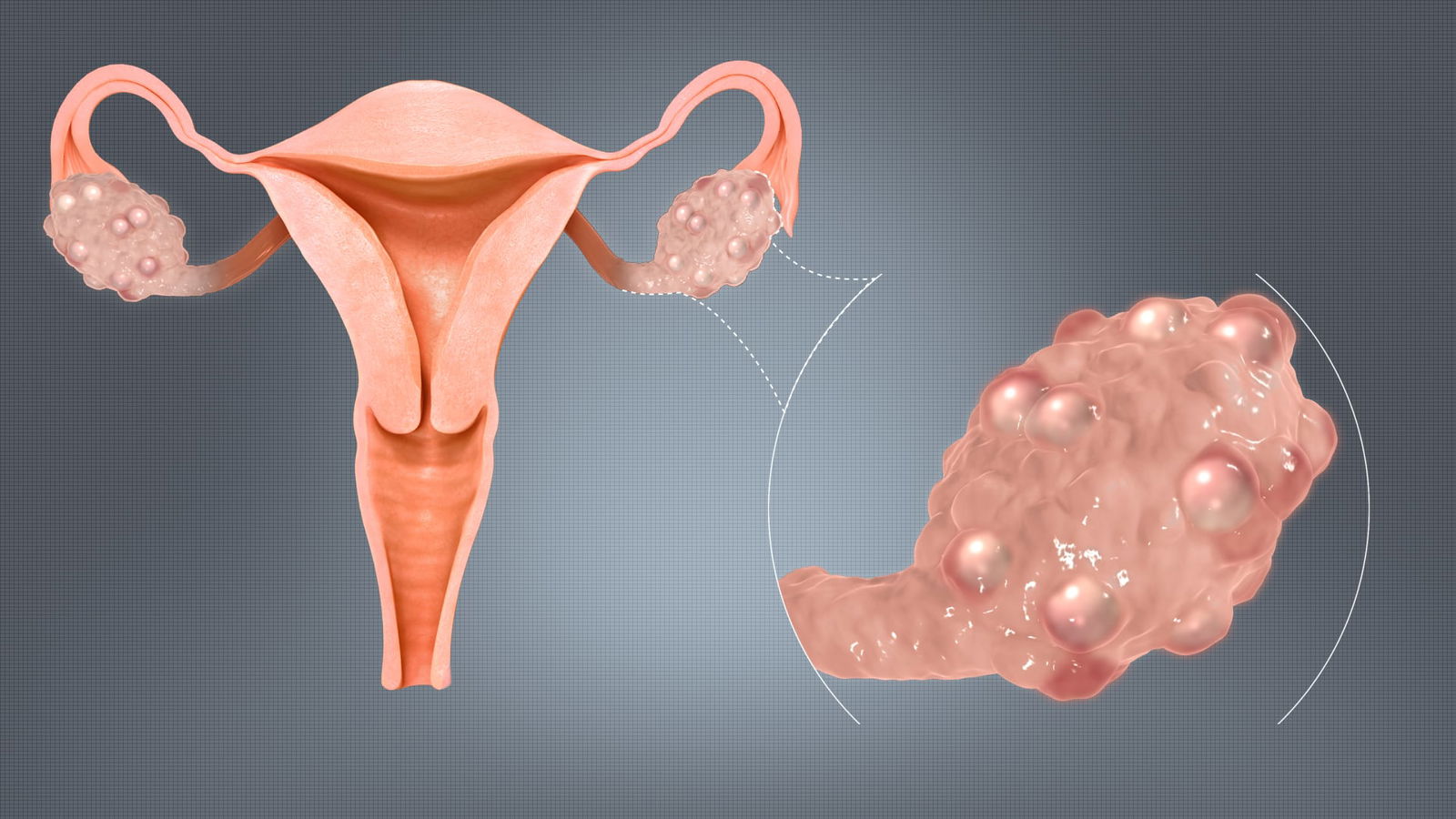
Ovarian cancer develops when abnormal cells in the ovaries begin to grow uncontrollably, forming malignant tumors. The ovaries are part of the female reproductive system and play a crucial role in producing eggs and hormones such as estrogen and progesterone.
Although ovarian cancer is most commonly diagnosed in post-menopausal women, medical experts have noticed a growing number of cases in women in their 30s and 40s. Unfortunately, diagnosing ovarian cancer early can be difficult.
Unlike cervical cancer, which can often be detected through Pap smear screenings, there is currently no reliable routine screening test for ovarian cancer. Blood tests such as CA125 can sometimes help detect abnormalities, but they are not always accurate and may miss early cases.
Because of these limitations, many women are diagnosed only after the disease has progressed to later stages. That is why understanding and recognizing the early symptoms is extremely important.
Key Symptoms to Watch For
1. Persistent Bloating
Bloating is something many women experience occasionally, especially during menstrual cycles or after certain meals. However, bloating that occurs frequently and lasts longer than three weeks should not be ignored.
Women with ovarian cancer often describe a feeling of constant abdominal swelling or pressure. Some even report that their stomach appears enlarged, similar to the feeling of early pregnancy. If bloating becomes persistent and unusual for you, it is worth discussing with a doctor.
2. Lower Abdominal or Pelvic Pain
Mild pelvic discomfort can occur during menstruation or ovulation, but ongoing pain in the lower abdomen or pelvic area may be a warning sign.
If this discomfort continues for several weeks, feels different from normal menstrual cramps, or appears outside of your regular cycle, it could indicate that something is affecting the ovaries. Persistent or unexplained pelvic pain should always be evaluated by a healthcare professional.
3. Difficulty Eating or Feeling Full Quickly
Another possible symptom is a sudden change in appetite. Some women notice that they feel full after eating only a small amount of food, even if they previously had a normal appetite.
This sensation can occur because a tumor in the abdomen may place pressure on nearby organs, including the stomach. If you frequently feel full quickly or struggle to finish meals for several weeks without an obvious reason, it may be worth getting checked.
4. Increased Urination or Urgency
If you find yourself needing to urinate more frequently or feeling a sudden urgency to go—even when you haven’t increased your fluid intake—it could be related to pressure on the bladder.
As a tumor grows, it may press against nearby organs, including the bladder, leading to these changes in urinary habits. While frequent urination can have many causes, persistent changes should not be ignored.
Why These Symptoms Are Often Missed
One of the main reasons ovarian cancer is difficult to detect early is that its symptoms can resemble common digestive or hormonal issues, such as:
-
Irritable bowel syndrome
-
Menstrual discomfort
-
Indigestion or gas
-
Urinary tract irritation
Because these conditions are common and usually harmless, many women dismiss the symptoms or delay seeking medical advice. However, the key factor is persistence. If symptoms occur almost daily and last longer than three weeks, they should be evaluated by a healthcare provider.
The Importance of Early Detection
When ovarian cancer is detected at an early stage, treatment options are more effective and survival rates improve significantly. Early medical evaluation may involve:
-
Pelvic examinations
-
Ultrasound imaging
-
Blood tests such as CA125
-
Additional diagnostic tests if necessary
While not every symptom will indicate cancer, discussing concerns with a doctor can provide reassurance or allow early treatment if needed.
Raising Awareness Saves Lives
Awareness plays a vital role in protecting women’s health. Understanding the early signs of ovarian cancer allows women to monitor their bodies and seek medical advice sooner rather than later.
If you or someone you know experiences persistent symptoms such as bloating, pelvic pain, changes in appetite, or increased urination, it is important not to ignore them.
Sharing this information with friends, family members, and loved ones can help more women recognize the warning signs and take action early.
Early attention to these symptoms could make a life-saving difference.