Most people treat varicose veins as a circulation problem — a podiatrist says there’s a mechanical cause most treatments miss
Health 24/08/2026 03:14
When you quit alcohol, side effects can appear that are more surprising than the usual benefits, like better sleep or clearer skin. While many people expect improvements, the body and brain may respond to alcohol withdrawal in unexpected ways. For those who have been drinking heavily over time, the effects of quitting alcohol may lead to serious symptoms that should not be ignored. This guide outlines four of the most alarming reactions your body may experience and how to manage them safely.

If you have been drinking regularly for a long time, your brain has likely adapted to the constant presence of alcohol. Alcohol acts as a depressant on the central nervous system. To stay in balance, your brain boosts stimulating chemicals to keep you alert and functioning. Over time, this becomes the new normal.
When you suddenly stop drinking, the sedative effect of alcohol disappears, but your brain’s overstimulation does not. This leads to a surge in activity, which can feel overwhelming. Common symptoms of this nervous system overdrive include anxiety, trouble sleeping, shaky hands, and nausea.
AdvertisementIn more severe cases, you could experience seizures or a dangerous condition known as delirium tremens. That is why people with alcohol use disorder should never quit abruptly without medical support. Withdrawal is more than just a headache or a bad mood. It is your brain trying to adjust after long-term disruption.

Not everyone who quits alcohol experiences withdrawal, but about half of people with alcohol use disorder do. Most experience mild to moderate physical symptoms. Within hours of your last drink, you might feel a headache, shaky, sweaty, or notice your heart racing. These symptoms often peak within the first 72 hours.
The physical effects are signs that your nervous system is struggling to regain its balance. Even if symptoms are not severe, they can still be unpleasant. Feeling tired, irritable, or nauseous is normal, and they often fade within a week.
AdvertisementHowever, some people deal with long-term symptoms that persist for weeks or even months. These can include insomnia, mood swings, or intense cravings. This period is called post-acute withdrawal syndrome, and while it’s not dangerous, it makes staying sober harder without help.
Getting professional guidance can reduce the severity of symptoms and make the transition safer. If your body has become dependent on alcohol, treating withdrawal like a medical condition instead of just toughing it out is the safest choice.
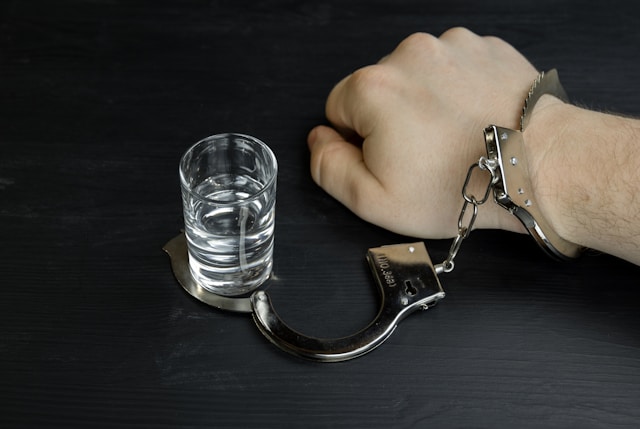
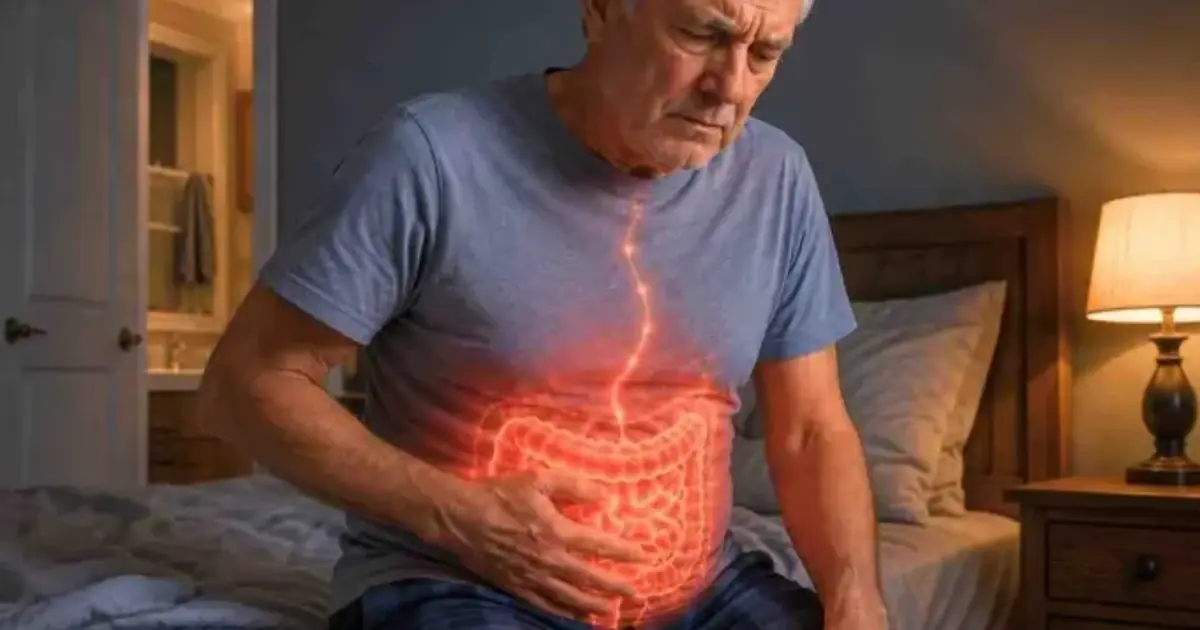
Alcohol doesn’t just affect the brain. It changes your gut health and hormones, too. Drinking heavily over time can damage the protective lining in your digestive system and disrupt the balance of healthy bacteria.
When you quit drinking, your body begins to repair itself, but the process can take time. You might feel bloated or nauseous at first as your gut adjusts. Over time, digestion improves and metabolism begins to function more efficiently. You may notice fewer stomach issues, better energy, and even weight changes.
AdvertisementHormonal shifts are also common. Alcohol affects your brain’s production of mood and sleep-related hormones. When you quit, your body may struggle to regulate itself. You might feel more anxious, moody, or emotional than usual. These symptoms are temporary but can be difficult to manage alone.
Sleep is often one of the biggest challenges. Some people experience what’s called REM rebound. This means vivid dreams and restless sleep as your body tries to restore healthy sleep patterns. Though hard at first, your sleep usually becomes deeper and more restful over time.

While most people experience manageable symptoms, there are cases where alcohol withdrawal becomes dangerous. One of the most serious risks is a type of seizure called a tonic-clonic seizure. These can happen within 12 to 48 hours after the last drink and require immediate care.
If you have had withdrawal seizures before, your risk is higher. This kind of reaction is a medical emergency. Doctors often use medications to prevent further complications. Benzodiazepines, like diazepam or lorazepam, are used to calm the nervous system and reduce the risk of seizure.
The most serious form of alcohol withdrawal is called delirium tremens. This condition affects both your brain and your body. It causes intense confusion, panic, shaking, fever, hallucinations, and rapid shifts in heart rate and blood pressure.
AdvertisementDelirium tremens is rare but very serious. Around 5 to 10 percent of people who develop DTs can die from it if they do not get help. Hospital care, often in the ICU, is required. Treatment includes IV fluids, medications, and continuous monitoring. If you or someone you know shows signs of this condition, go to the hospital immediately.

Alcohol withdrawal symptoms usually start within 6 to 12 hours after your last drink. You may feel anxious, jittery, or overwhelmed. Headaches, mood swings, and cravings are also common. These symptoms often peak between 24 and 72 hours.
After this peak, symptoms tend to ease. Most people feel significantly better by day 5 to 7. That said, emotional symptoms and cravings can continue for weeks. Everyone’s timeline is different and depends on how long and how much they were drinking.
Long-term symptoms are common for those who have been drinking heavily for many years. These include trouble sleeping, low energy, and emotional ups and downs. You may also experience strong urges to drink again. That’s why ongoing support is so important.
Advertisement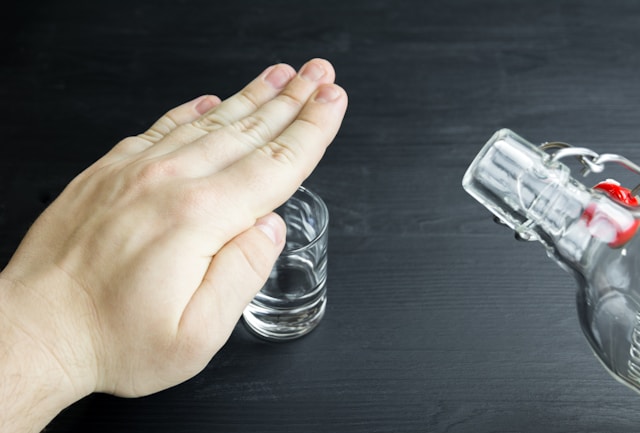
If you are thinking about quitting alcohol and you have been drinking heavily, it is essential to have a plan. Do not try to quit cold turkey if you are physically dependent. Withdrawal can be unpredictable and even dangerous.
Talk to a healthcare provider about your history and symptoms. You may need to detox under supervision, either in a hospital or an outpatient setting. Medical teams often use medications to help reduce symptoms and keep you safe.
Thiamine, or vitamin B1, is usually part of the treatment. This vitamin is important for brain health and helps prevent serious complications like Wernicke’s encephalopathy. Doctors may also give you fluids or anti-nausea medications to help you feel more comfortable.
Medications are helpful during withdrawal, but long-term sobriety often depends on changing behavior. Therapy helps with that.
AdvertisementCognitive Behavioral Therapy (CBT) is one of the most effective forms of treatment. It helps you understand the reasons behind your drinking and teaches new ways to cope with stress or emotional pain. Over time, therapy can reduce your risk of relapse and build confidence in managing daily life without alcohol.
Support groups, whether in person or online, can also play a huge role. Talking to others who are going through similar challenges can make the journey feel less isolating. Sobriety is a long-term process, but with the right support system, it becomes much more manageable.
Quitting alcohol can improve your life in countless ways, but it can also come with side effects that many people do not expect. For some, these side effects are mild and pass quickly. For others, especially those with alcohol use disorder, they can be intense and even dangerous.
Understanding what your body might go through helps you prepare. Getting medical advice and emotional support gives you a safer, smoother transition. Recovery is a journey, and every step is easier when taken with care, knowledge, and support.