How the Foods You Eat Can Shape Your Mood
Health 11/01/2026 22:49
What you eat every day plays a critical role in how long—and how well—you live. Food directly affects metabolism, inflammation, immune function, and the risk of chronic disease. Diets centered on whole, nutrient-dense foods are consistently linked to longer life expectancy and better quality of life as we age. By making thoughtful food choices, you can support long-term health and reduce the likelihood of conditions such as heart disease, diabetes, and cognitive decline.
Below are seven foods that research suggests may contribute to longevity when included as part of a balanced, healthy diet.
Beans are part of the legume family and include varieties such as kidney beans, black beans, chickpeas, and pinto beans. They are a staple in many long-lived populations around the world.
Beans support longevity because they:
Provide a high-quality plant-based source of protein, along with essential nutrients such as iron, zinc, folate, potassium, and fiber.
Contain complex carbohydrates that digest slowly, helping maintain stable blood sugar levels and sustained energy throughout the day.
Are naturally low in saturated fat and contain no trans fat, making them beneficial for heart health.
Have minimal sodium and cholesterol, which supports healthy blood pressure and cardiovascular function.
In addition, the fiber in beans promotes gut health, which plays an increasingly important role in immune strength and healthy aging.
Berries—such as blueberries, strawberries, raspberries, and cranberries—are widely recognized for their disease-fighting properties.
They are linked to longevity because they:
Are rich in antioxidants like anthocyanins, resveratrol, and ellagic acid, which protect cells from oxidative stress and age-related damage.
Contain flavonoids that help reduce inflammation and lower the risk of chronic illnesses, including heart disease, cancer, and neurodegenerative disorders.
Support brain health, memory, and cognitive function, which are essential for maintaining independence later in life.
Recent research suggests that regular berry consumption is associated with lower overall mortality and may help preserve both physical and mental function as people age.
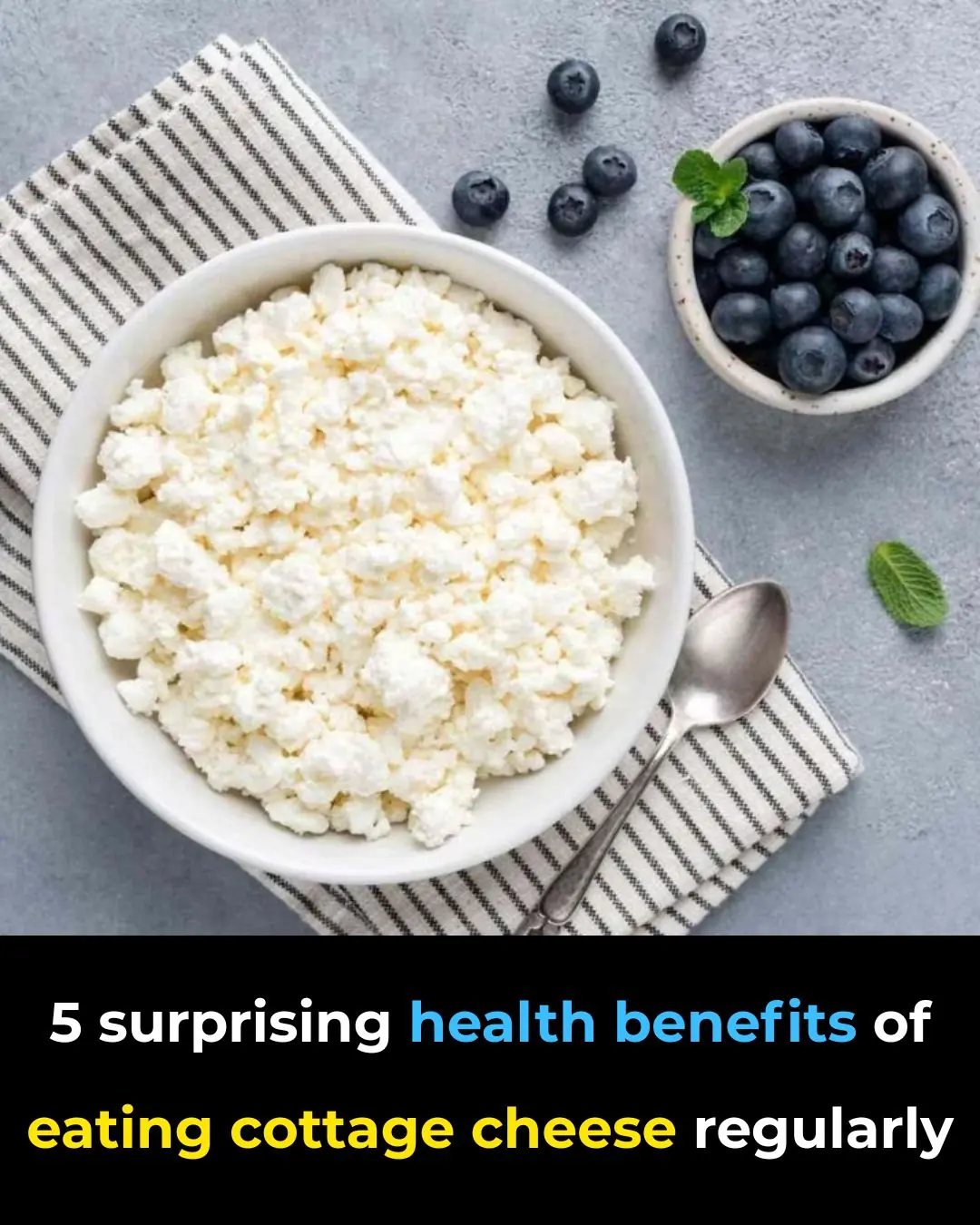
Plain Greek yogurt is a nutrient-dense food that offers unique benefits for longevity.
It supports healthy aging because it:
Contains probiotics—beneficial bacteria that help maintain gut, oral, and vaginal health while strengthening the immune system.
May improve age-related conditions such as osteoporosis and type 2 diabetes and support healthy weight management.
Is rich in protein and essential minerals like calcium, potassium, magnesium, and phosphorus, all of which are important for muscle strength and bone health.
Choosing plain, unsweetened Greek yogurt helps avoid excess added sugars while maximizing health benefits.
Soybeans and soy-based foods such as tofu, tempeh, and edamame are valuable components of long-term healthy diets.
They promote longevity because they:
Are high in fiber and essential nutrients, including calcium, magnesium, potassium, folate, and vitamin C.
Provide a complete plant-based protein that supports muscle maintenance, tissue repair, and physical function as people age.
Contain isoflavones, compounds associated with reduced cholesterol levels, improved metabolic health, and potential cancer-protective effects.
Studies suggest that fermented soy products, in particular, are linked to lower mortality risk, possibly due to improved nutrient absorption and gut health benefits.
Olive oil, especially extra virgin olive oil, is a cornerstone of many longevity-focused diets.
It may support a longer life because it:
Is rich in monounsaturated fats that help reduce LDL (“bad”) cholesterol and protect against heart disease and stroke.
Contains oleic acid, which has anti-inflammatory effects that may slow the progression of chronic disease.
Provides antioxidants such as vitamin E and polyphenols that help protect cells from oxidative damage.
Regular olive oil consumption has been associated with lower risk of death from cardiovascular disease, cancer, and neurodegenerative conditions.
Fatty fish—including salmon, sardines, mackerel, oysters, and tuna—are highly nutritious and linked to longevity.
They support long-term health because they:
Are excellent sources of omega-3 fatty acids, which reduce inflammation and support heart, brain, and eye health.
Are central to dietary patterns such as the Mediterranean and DASH diets, both of which are associated with lower risks of hypertension and cognitive decline.
Provide high-quality protein and important micronutrients like vitamin D, selenium, and iodine.
Research consistently shows that regular fish consumption is associated with reduced mortality and improved cardiovascular outcomes.
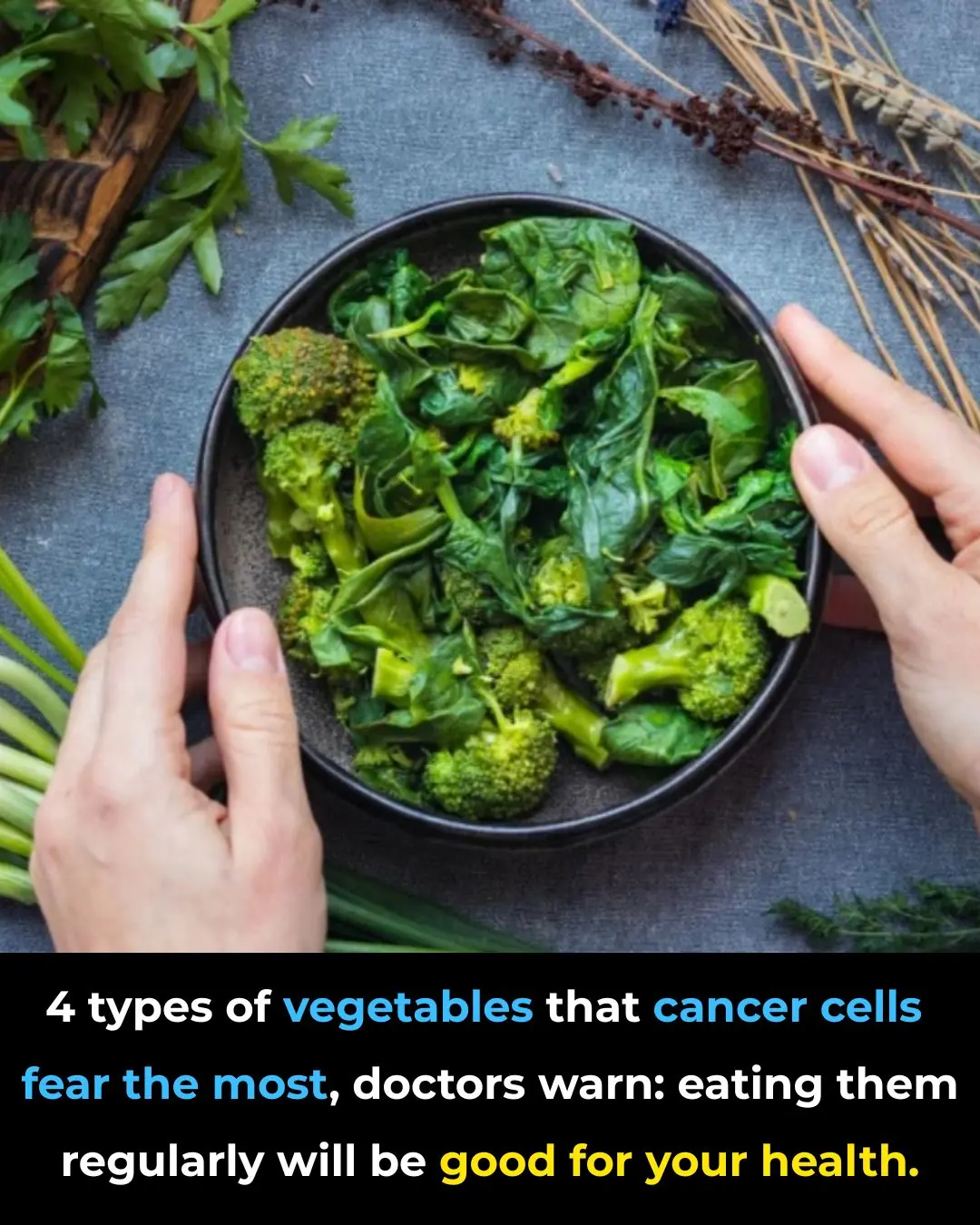
Leafy greens such as kale, spinach, collard greens, broccoli, chard, and lettuce are among the most nutrient-dense foods available.
They contribute to longevity because they:
Are packed with vitamins A, B, C, E, and K, along with minerals like iron, magnesium, calcium, and potassium.
Help lower inflammation, strengthen immunity, and reduce the risk of chronic diseases including heart disease, cancer, and osteoporosis.
Contain antioxidants like polyphenols that protect DNA and reduce cellular damage.
Provide fiber and resistant starch that support blood sugar regulation and digestive health.
Frequent consumption of leafy greens has been linked to slower cognitive decline and better physical function in older adults.
Although genetics influence lifespan, lifestyle choices—especially diet—play a major role in how we age. Adopting evidence-based dietary patterns such as the Mediterranean, DASH, or plant-based diets can significantly improve long-term health and well-being.
Working with a registered dietitian can help you tailor these eating patterns to your personal health needs and goals.
Additional habits that support longevity include:
Exercising regularly
Prioritizing mental and emotional health
Getting sufficient, high-quality sleep
Staying well hydrated
Avoiding smoking and limiting alcohol intake
Managing stress through healthy coping strategies
Small, consistent lifestyle changes can add up over time, helping you live not just longer—but healthier and stronger as well.