How the Foods You Eat Can Shape Your Mood
Health 11/01/2026 22:49
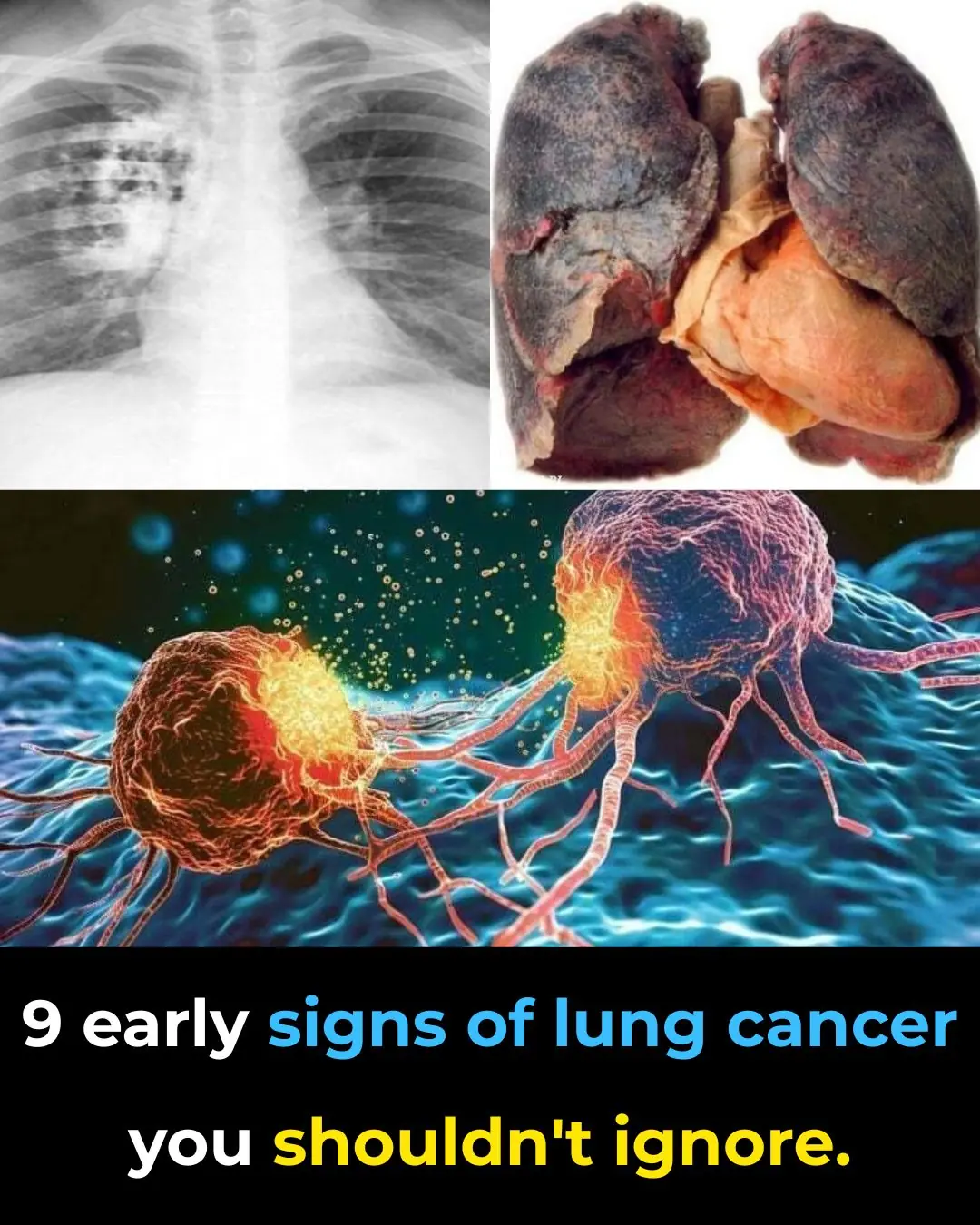
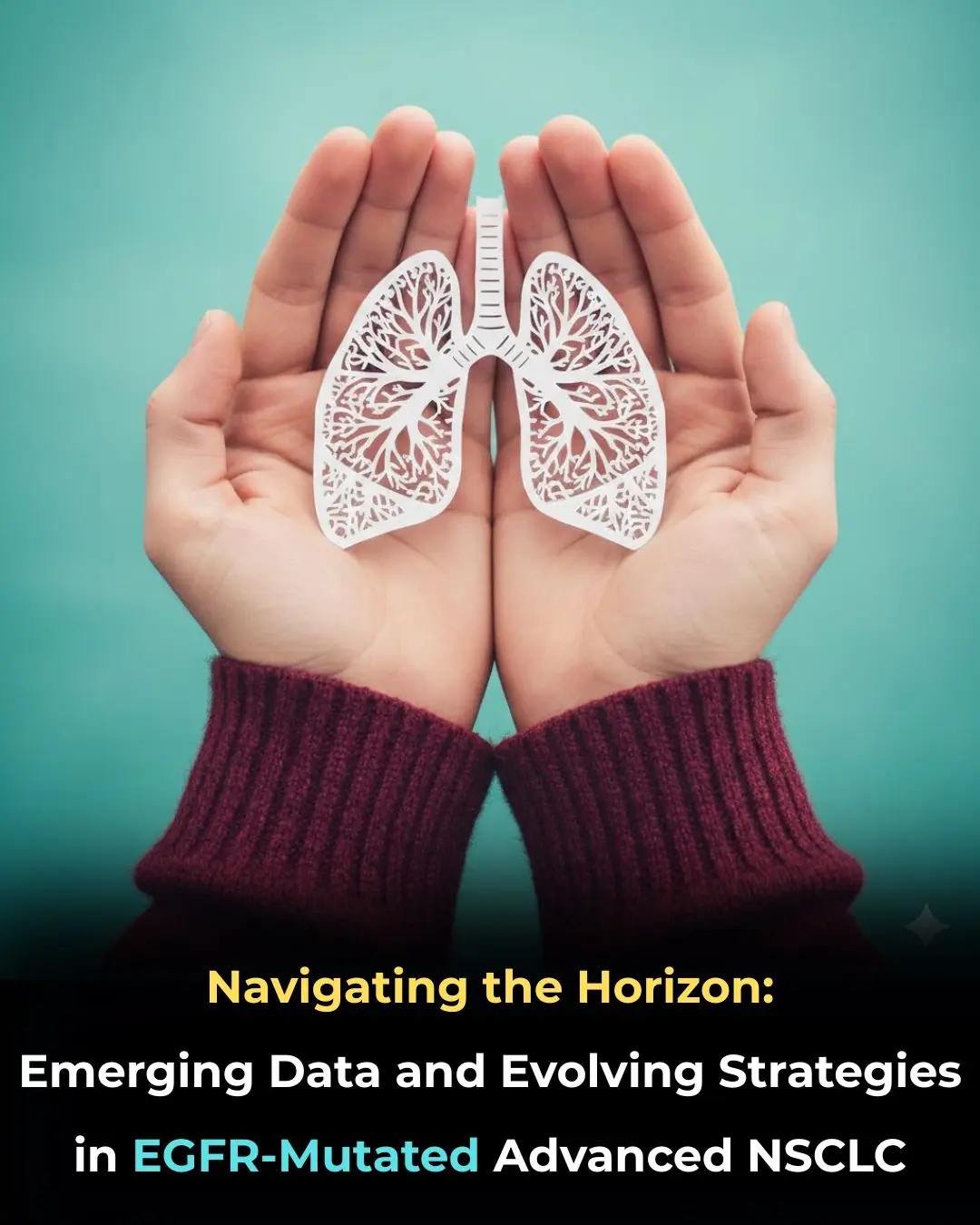
Lung cancer is one of the most common and deadliest cancers worldwide. It originates in the lungs, where malignant tumors develop in the respiratory system. As these tumors grow, they can invade nearby tissues and compress surrounding organs, severely affecting lung function. Since the lungs play a vital role in oxygen intake and carbon dioxide removal, any disruption can lead to serious health problems.
There are two main types of lung cancer:
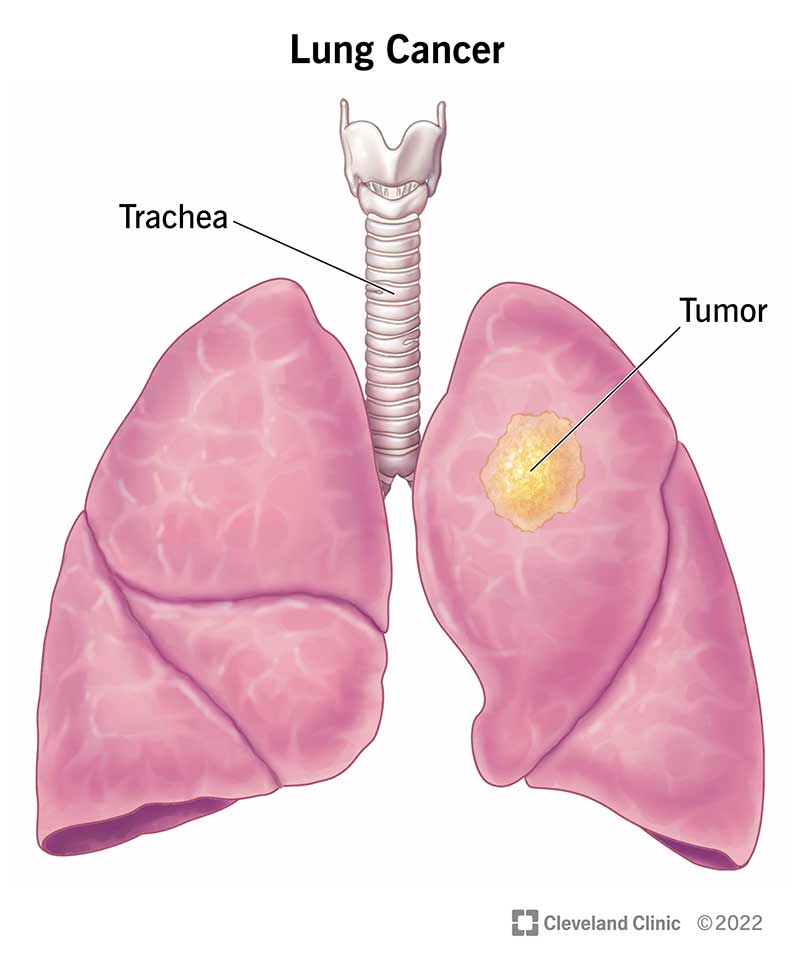
1. Non-Small Cell Lung Cancer (NSCLC)
This is the most common form, accounting for about 85% of cases. It includes:
Adenocarcinoma: Develops from mucus-producing cells, often in the outer areas of the lungs. It is common among smokers but also frequently diagnosed in non-smokers.
Squamous Cell Carcinoma: Usually arises in the large airways near the center of the lungs and is strongly linked to smoking.
Large Cell Carcinoma: A fast-growing and aggressive cancer that can appear in any part of the lungs.
2. Small Cell Lung Cancer (SCLC)
This type accounts for about 15% of cases and spreads rapidly. It is strongly associated with smoking and is often diagnosed at an advanced stage.
Smoking is the leading cause of lung cancer, responsible for up to 90% of cases in men and 80% in women. Exposure to secondhand smoke, air pollution, toxic chemicals, and genetic factors also increases risk.
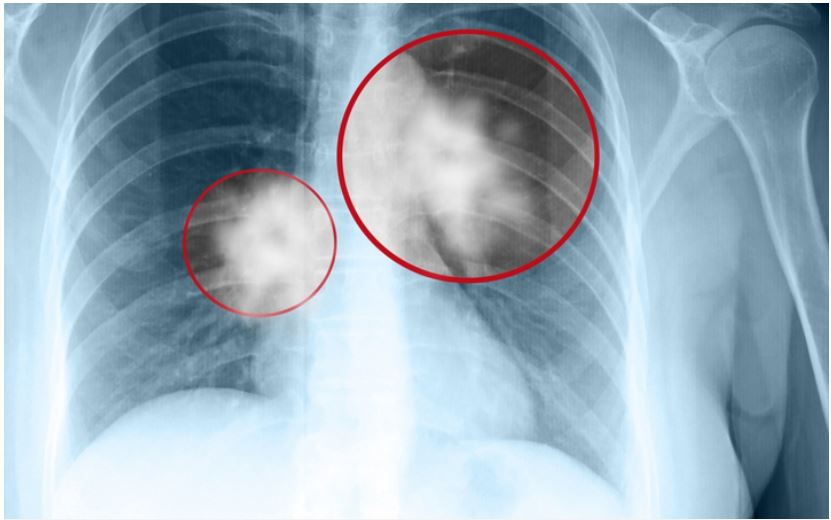
Early detection significantly improves treatment outcomes. The following symptoms may appear in the early stages:
A cough that lasts more than 2–3 weeks and does not improve should not be ignored, even in smokers.
Tumors can narrow the airways, causing breathlessness, chest tightness, or a feeling of not getting enough air.
Even small amounts of blood in sputum require immediate medical evaluation.
Pain or pressure in the chest may worsen when coughing, laughing, or taking deep breaths, often due to tumor growth or fluid buildup.
A tumor may press on nerves controlling the vocal cords, leading to voice changes.
Partial airway blockage can cause whistling or wheezing sounds when breathing.
Cancer cells consume energy and nutrients, leading to anemia, exhaustion, and reduced appetite.
If cancer spreads to bones or affects nerves (such as in Pancoast tumors), pain may occur in the shoulders, arms, back, or chest.
Rapid weight loss without changes in diet or activity can be an early sign of cancer-related metabolic changes.
Additional symptoms may include swollen lymph nodes in the neck, frequent headaches (which may indicate brain metastasis), and eye-related changes linked to nerve involvement.
Early-stage lung cancer is often detected through:
Chest X-rays
Low-dose CT scans (more sensitive for small tumors)
Bronchoscopy with biopsy
Pathological examination and tumor marker tests
When detected early, the five-year survival rate after surgery can reach 40–50%. In later stages, treatment becomes more challenging.
Treatment depends on cancer type, stage, and overall health, and may include:
Surgery
Radiation therapy
Chemotherapy
Targeted therapy or immunotherapy for specific genetic mutations
Annual low-dose CT screening is recommended for high-risk individuals, including:
Adults aged 50–80
Current or former smokers with long-term smoking history
People exposed to occupational hazards or secondhand smoke
Individuals with chronic lung diseases or a family history of cancer
Although lung cancer cannot be completely prevented, risk can be reduced by:
Quitting smoking
Avoiding secondhand smoke
Minimizing exposure to air pollution and toxic substances
Maintaining a healthy lifestyle with balanced nutrition and regular exercise
Undergoing routine health check-ups
Lung cancer is a serious disease, but early detection and timely treatment can significantly improve survival rates. Recognizing early warning signs and seeking medical attention promptly are crucial steps in protecting your health and extending life expectancy.