Proven Benefits of Using Aloe Vera Gel on Your Face and Skin
Health 28/08/2026 11:53
Imagine waking up one morning and noticing a thick, twisted purple cord running along your lower leg.
It looks raised beneath the skin. It may ache or feel heavy when you stand. And because it suddenly caught your attention, it can be difficult not to worry.
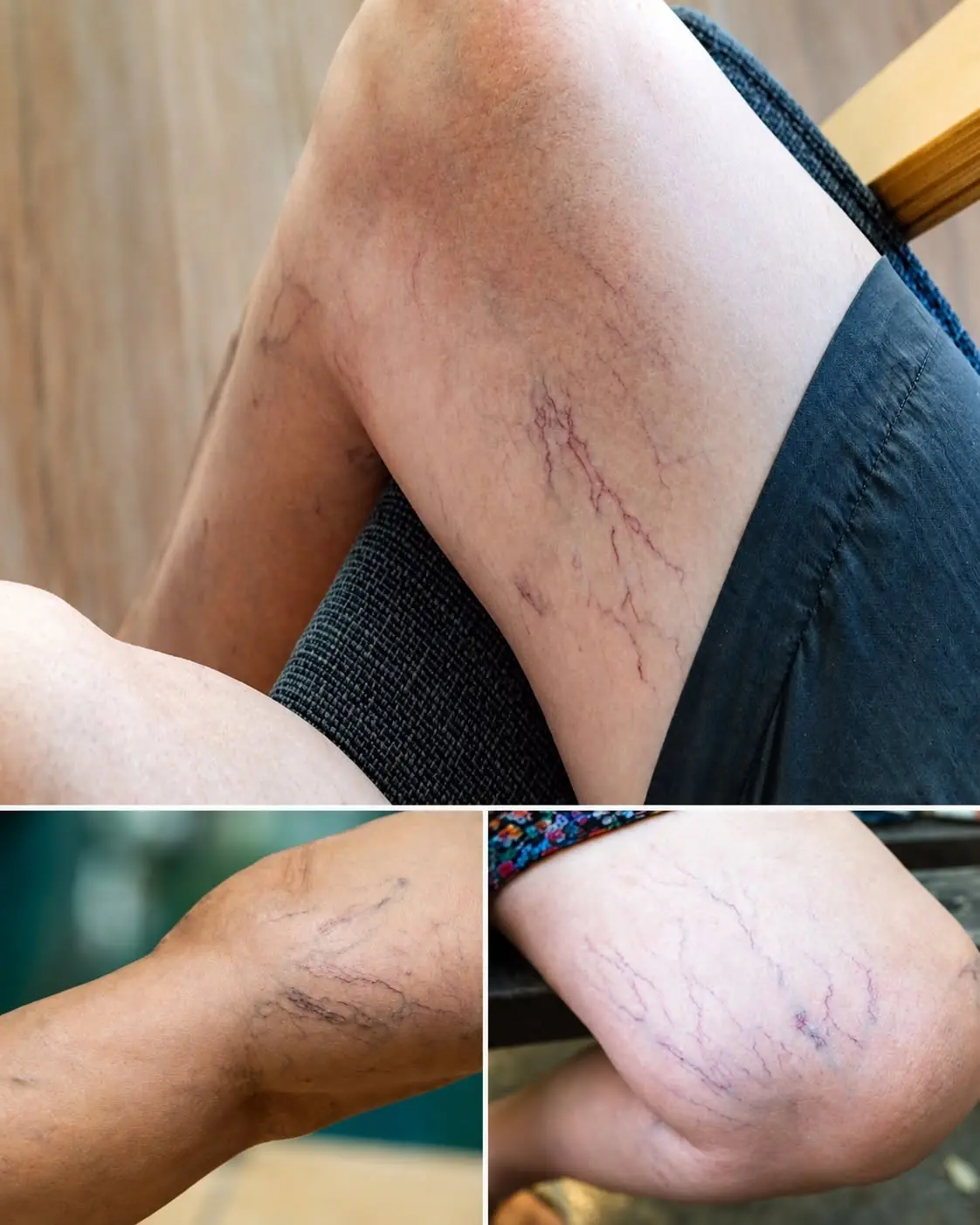
In many cases, a rope-like vein on the leg turns out to be a varicose vein — an enlarged surface vein caused by blood pooling inside weakened veins.
But there are situations in which a painful or suddenly changing vein deserves more attention.
Understanding the difference between an ordinary varicose vein, inflammation in a surface vein, and a deeper blood clot can help you know when it is reasonable to monitor the problem and when medical care should not wait.
Veins in the legs have a difficult job.
They must move blood upward toward the heart while working against gravity.
Small one-way valves inside the veins normally help keep blood moving in the right direction.
When those valves weaken, some blood can flow backward and collect inside the vein.
Over time, the vein may stretch and become:
Enlarged
Twisted
Blue or purple
Raised above the skin
Rope-like in appearance
These are classic characteristics of varicose veins.
They commonly develop in the calves, around the knees, and along the inner side of the lower leg.
A vein may seem to appear suddenly, even though it has actually been enlarging gradually for months or years. Heat, swelling, prolonged standing, exercise, dehydration, or simply noticing the leg under different lighting can make it suddenly look much more obvious.
This is one of the most common complaints associated with varicose veins.
When you stand still, gravity increases pressure inside the veins of your lower legs.
Normally, walking helps because the calf muscles contract and act like a pump, pushing blood upward.
But while standing still, this pumping action is reduced.
As pressure builds, people may experience:
Aching
Heaviness
Throbbing
Tightness
Burning
A feeling of fullness in the leg
Symptoms may become worse near the end of the day and improve after walking or raising the legs.
That pattern often points toward venous pooling.
A stable varicose vein is often uncomfortable rather than dangerous.
The situation is generally less alarming when:
Only the visible vein is enlarged
There is no major swelling of the entire leg
The foot remains warm and normally colored
You can walk normally
The skin is not intensely red or hot
The discomfort improves when the leg is elevated
There is no chest pain or shortness of breath
Even then, a painful or newly changing vein is worth discussing with a healthcare professional, particularly if symptoms continue.
A surface vein that becomes hard, warm, red, and tender can be a sign of superficial thrombophlebitis.
This occurs when inflammation and a blood clot develop in a vein close to the surface of the skin.
Mayo Clinic notes that superficial thrombophlebitis may produce pain, warmth, redness, swelling, and a firm cord that can be felt beneath the skin.
It is generally less dangerous than a clot in a deep vein.
However, it should not automatically be ignored.
In some cases, doctors may use an ultrasound to determine whether the problem is confined to a surface vein or extends into the deeper venous system.
A deep vein thrombosis, or DVT, is a blood clot that forms in one of the deeper veins of the body, most commonly in a leg.
Unlike an ordinary surface varicose vein, DVT can become dangerous if part of the clot breaks loose and travels to the lungs.
Possible DVT symptoms include:
Swelling in one leg
Calf pain or tenderness
Warmth
Red or purple skin discoloration
A feeling of tightness or heaviness
DVT does not always cause obvious symptoms, which is one reason unexplained new swelling or pain in one leg deserves medical attention.
A new painful or swollen leg is more concerning when it occurs after circumstances that increase the risk of blood clots.
Risk can be higher after:
Recent surgery
Long periods of bed rest
A long car or airplane journey
Pregnancy or the period shortly after childbirth
Previous blood clots
Some hormone medications
Certain cancers
Prolonged immobility
If a newly painful leg occurs alongside one or more of these factors, it is safer to have it evaluated rather than simply assuming it is a harmless varicose vein.
Some symptoms require urgent medical attention.
Seek emergency help if leg symptoms are accompanied by:
Sudden shortness of breath
Chest pain
Coughing up blood
Fainting or severe dizziness
Rapid breathing
A racing heartbeat
These can be signs of a pulmonary embolism, which occurs when a clot reaches the lungs and can be life-threatening.
You should also seek prompt medical assessment if:
One leg suddenly becomes significantly swollen
The calf becomes increasingly painful or firm
A vein becomes intensely red, hot, and hard
Redness is spreading
The foot becomes unusually cold, pale, or blue
A swollen surface vein begins bleeding
There is an open wound around the affected area
If there are no emergency symptoms and the problem appears to be an uncomplicated varicose vein, a few simple measures may reduce discomfort.
Lie down and raise the affected leg above heart level for approximately 15 to 30 minutes.
This can reduce pressure caused by blood pooling in the lower leg.
Standing still for long periods can worsen symptoms.
Short, gentle walks activate the calf muscles and may improve venous return.
Complete bed rest is generally not helpful unless a healthcare professional has specifically recommended it.
It may be tempting to massage a painful cord-like vein.
However, when a vein has become newly hard, painful, red, or swollen and the cause is uncertain, vigorous massage or percussion devices are not a good idea.
The vein should first be properly assessed if there is concern about thrombosis.
Compression stockings are commonly used for symptoms associated with venous disease.
They apply graduated pressure to the leg, which can reduce pooling and help control swelling.
They may be useful for ordinary varicose-vein discomfort and are also sometimes recommended as part of treatment for thrombophlebitis.
However, compression is not appropriate for every situation.
If a leg has suddenly become very swollen, extremely painful, numb, cold, or discolored — or if the diagnosis is unclear — it is better to seek medical advice before simply putting on a tight compression stocking.
A clinician will usually examine both legs and look for differences in:
Swelling
Temperature
Skin color
Tenderness
Vein firmness
Foot circulation
If there is concern about a blood clot, one of the most useful tests is a duplex ultrasound.
This noninvasive test uses sound waves to show blood flow through the veins and can help distinguish superficial vein problems from DVT.
If the enlarged vein is causing repeated pain, swelling, heaviness, itching, or other problems, treatment options are available.
Depending on the vein and the severity of symptoms, specialists may use techniques such as:
Sclerotherapy
Endovenous laser treatment
Radiofrequency ablation
Removal of selected surface veins
Modern vein procedures are often performed without major surgery.
The appropriate treatment depends on ultrasound findings and the pattern of abnormal blood flow.
It is easy to focus on whether a vein is blue, purple, or dark green.
But color alone does not tell you whether a vein is dangerous.
More useful questions include:
Did the entire leg suddenly swell?
Is the vein newly hard?
Is it hot or extremely tender?
Is the surrounding skin becoming red?
Did the symptoms develop after surgery or prolonged travel?
Is there shortness of breath or chest pain?
A large purple vein can look frightening while still being a relatively ordinary varicose vein.
Meanwhile, a deeper clot may not look dramatic at all.
The pattern of symptoms matters far more than appearance alone.
A bulging, twisted purple cord on the lower leg is often caused by a varicose vein, particularly when it aches after standing and feels better after walking or elevating the leg.
But a vein that suddenly becomes hard, red, warm, or sharply painful may represent superficial thrombophlebitis and deserves medical evaluation.
And if one leg becomes noticeably swollen or painful — especially after surgery, prolonged inactivity, or travel — doctors may need to rule out DVT.
Most importantly, symptoms such as chest pain, sudden shortness of breath, coughing up blood, or fainting require emergency care.
So while a rope-like vein does not automatically mean something dangerous is happening, a sudden change in the leg is worth paying attention to.
Sometimes the safest approach is not to judge the vein by how dramatic it looks — but by what other symptoms are happening around it.
This article is for general informational purposes only and is not intended to diagnose, treat, or replace advice from a qualified healthcare professional.


Is It Safe To Eat an Egg With a Crack In it?











Is It Safe To Eat an Egg With a Crack In it?