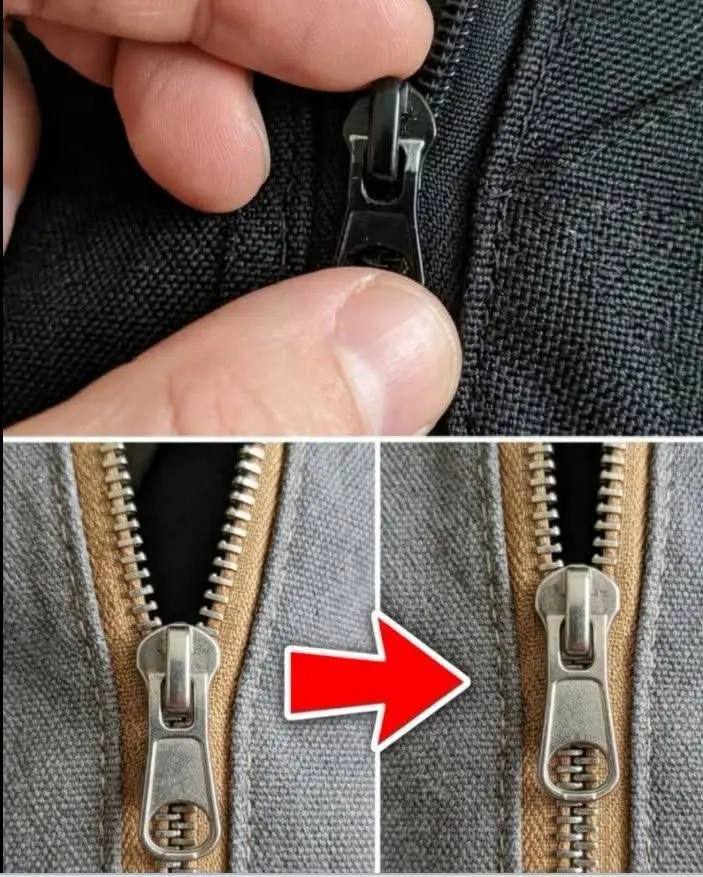
Stuck Zipper Try This Simple Pencil Trick
Tips 26/08/2026 20:31
Oh, my dear friend, there is nothing quite like the anticipation of cutting into a ripe, juicy watermelon on a warm summer day. But picking a watermelon can sometimes feel like a gamble. From the outside, several melons may look almost identical, yet one can be juicy, sweet, and perfectly ripe while another may be bland or underripe.
The good news is that you don't have to cut open every watermelon at the store to improve your chances of choosing a good one. A few details on the outside—including the ground spot, rind color, stripes, shape, weight, and stem—can give you helpful clues.
So, the next time you're at the market, take a moment to look for these simple signs.
This is one of the most reliable indicators of ripeness. The ground spot is the area where the watermelon rested on the ground as it grew.
What to Look For: A creamy yellow or orange-yellow spot. This indicates that the melon was left on the vine long enough to fully ripen.
What to Avoid: A white or pale green ground spot. This suggests the melon was picked too early.
The color of the rind and the pattern of the stripes can also provide clues.
What to Look For: A deep, rich green color with clear, distinct stripes. The rind should be dull, not shiny. A shiny rind often indicates underripeness.
What to Avoid: A pale or faded green color, or stripes that are less distinct.
Watermelons come in various shapes, but the shape can tell you something about its quality.
What to Look For: A symmetrical, evenly shaped melon. A more oval or oblong shape is often preferred, as round melons can sometimes be underripe.
What to Avoid: Irregular or lumpy shapes.
A ripe watermelon should feel heavy for its size.
What to Look For: A melon that feels dense and heavy. This indicates that it is full of water and juice.
What to Avoid: A melon that feels lighter than expected.
Check the stem end of the watermelon.
What to Look For: A dried, brown stem. This indicates that the melon was allowed to ripen fully on the vine.
What to Avoid: A green, fresh-looking stem. This can be a sign that it was picked too early.
While not always foolproof, the thump test can be a helpful additional indicator.
What to Listen For: A deep, hollow sound when you tap the melon with your knuckles.
What to Avoid: A high-pitched or flat sound.
When you're at the market, take a moment to examine each melon using these simple signs:
Look for a creamy yellow ground spot.
Check for a deep green rind with distinct stripes.
Choose a symmetrical shape.
Feel the weight—it should be heavy for its size.
Check the stem for a dried, brown color.
Listen for a deep, hollow sound.
Picking the perfect watermelon is part skill, part intuition. With a little practice, you'll develop a feel for what to look for. And the reward—a sweet, juicy, perfectly ripe watermelon—is always worth the effort.
























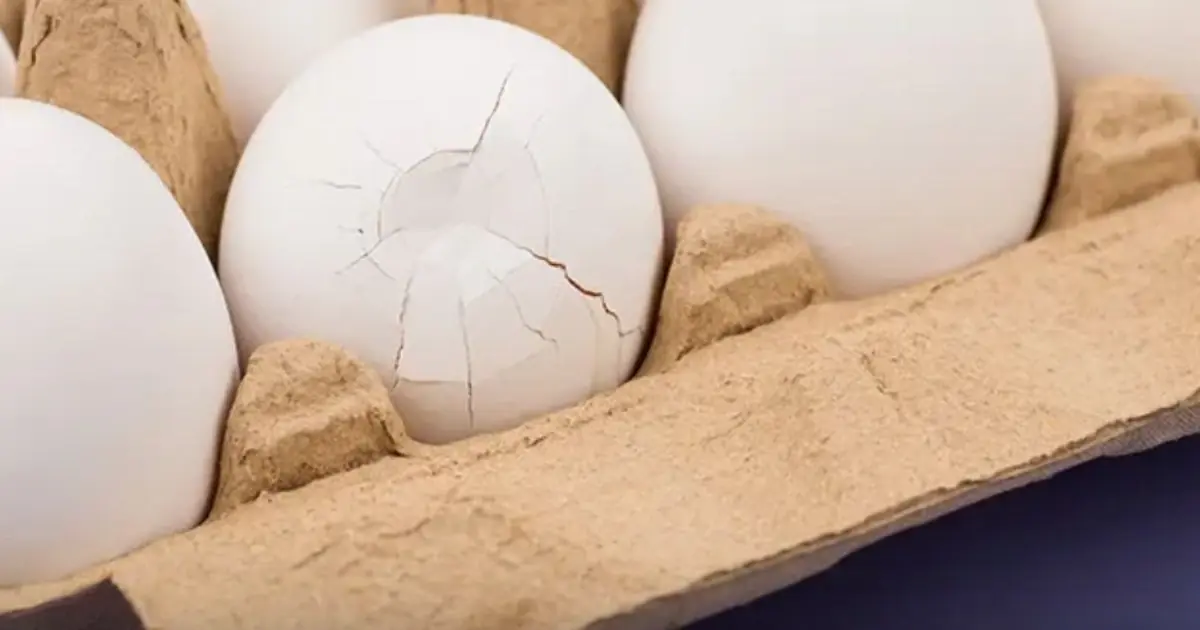
Is It Safe To Eat an Egg With a Crack In it?