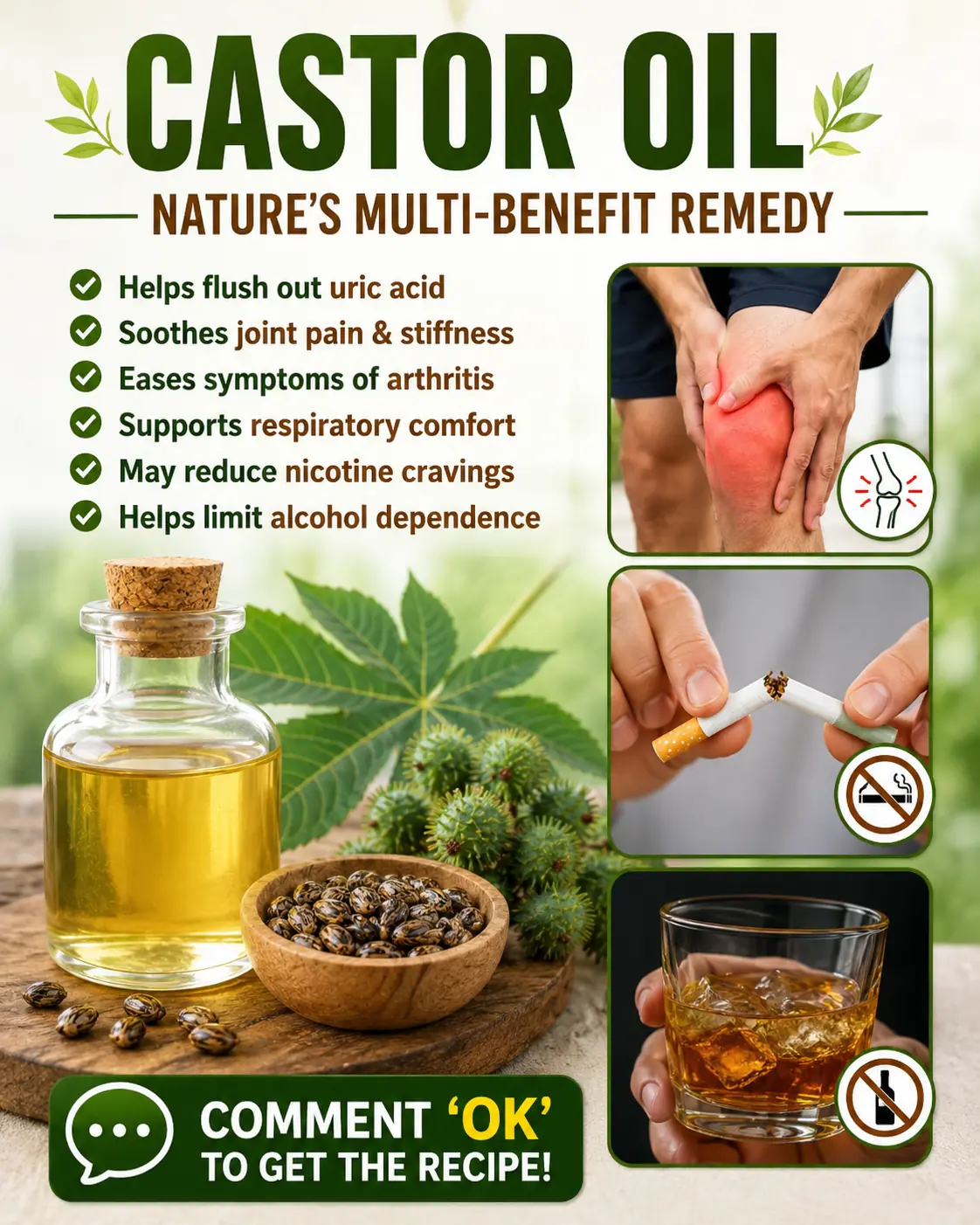
Castor Oil: 25 Practical Uses, How to Use It Safely, and What You Should Know
Garden Healthy 20/07/2026 21:09

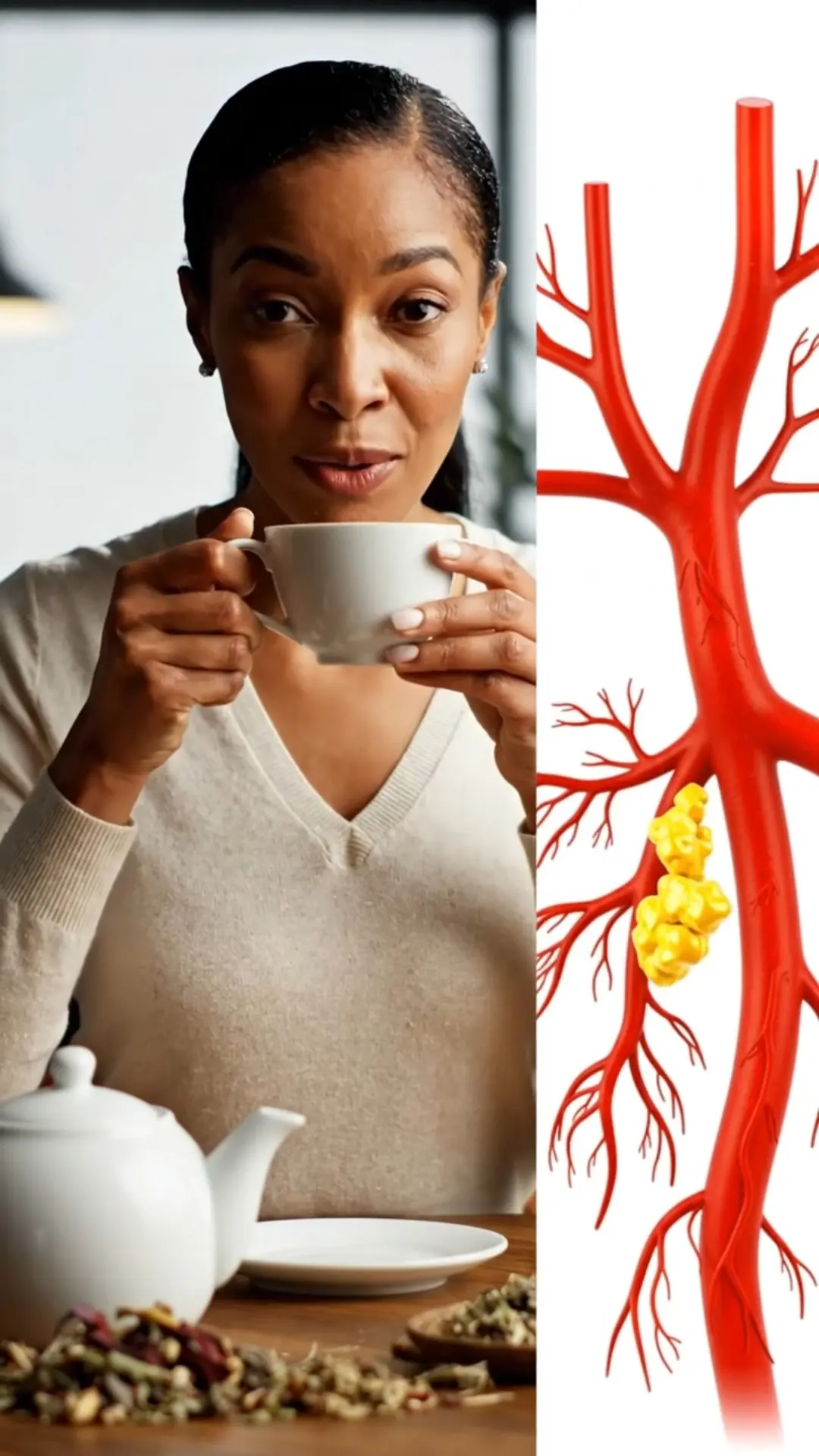
A warm herbal tea made with cinnamon, bay leaves, ginger, and cloves has been enjoyed in traditional wellness practices for generations. Each ingredient contains natural plant compounds that may support general health when combined with a balanced lifestyle. However, no herbal tea can replace prescribed medication or cure conditions such as diabetes, fatty liver disease, or chronic joint disorders.
Let's explore what this traditional recipe may offer—and how to prepare it safely.
This simple recipe combines four well-known spices and herbs that have long histories in traditional Chinese medicine, Ayurveda, and other herbal traditions.
Cinnamon contains beneficial polyphenols and antioxidants that have been studied for their potential role in supporting healthy blood sugar levels already within the normal range and reducing oxidative stress.
It may also contribute to:
Bay leaves are commonly used in cooking but also contain natural antioxidants and aromatic compounds.
Traditionally, they have been used to:
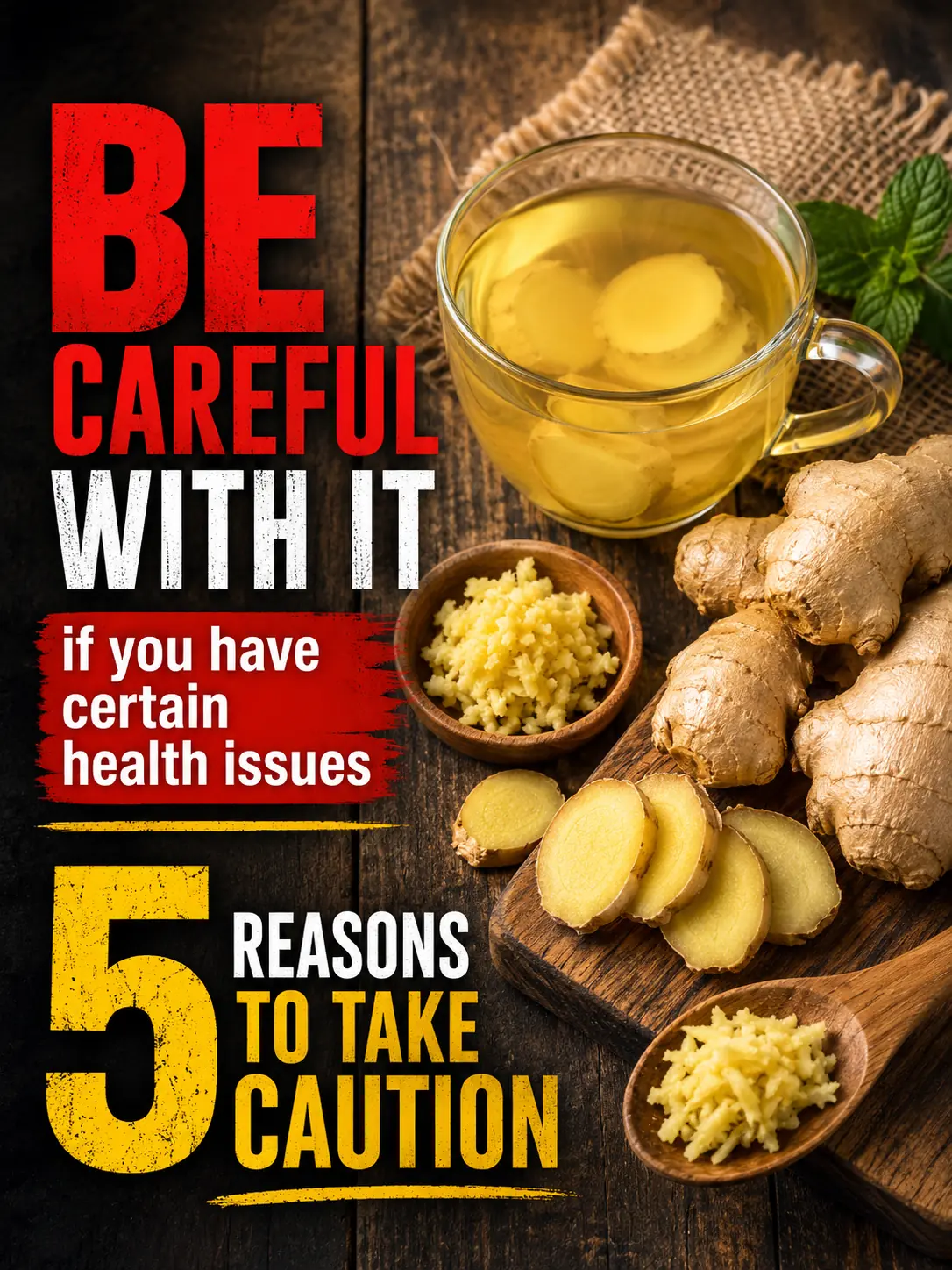
Ginger is one of the most researched herbs in natural wellness.

Studies suggest ginger may help support:
Its warming properties also make it a comforting ingredient in herbal teas.
Cloves contain eugenol, a naturally occurring compound known for its antioxidant properties.
Traditionally, cloves have been used to support:
Their rich aroma also gives this tea its distinctive flavor.
You'll need:
Optional:
Many people choose to drink:
Consistency matters more than expecting dramatic overnight changes. Herbal teas work best as part of an overall healthy lifestyle that includes nutritious eating, regular movement, quality sleep, and appropriate medical care.
While research on the complete combination is limited, the individual ingredients may contribute to:
✅ Digestive comfort
✅ Healthy antioxidant intake
✅ A warming, soothing beverage for daily wellness
✅ Supporting normal inflammatory balance
✅ Enjoyable hydration with naturally aromatic herbs
Keep in mind that these are potential wellness benefits, not guaranteed medical outcomes.
This herbal tea is not a treatment or cure for:
If you have a chronic illness, continue taking medications exactly as prescribed unless your healthcare provider advises otherwise.
Because some of these herbs may interact with medications or affect blood sugar or blood clotting, speak with a healthcare professional before using this tea regularly if you:
No. Herbal teas should never replace medications prescribed by your healthcare provider.
Many people simply enjoy it occasionally or several times per week as part of a balanced wellness routine.
For most healthy adults, moderate consumption is generally considered reasonable, but daily use may not be appropriate for everyone. If you have underlying health conditions or take medications, consult your healthcare provider first.
No. Natural dietary habits typically provide gradual support rather than rapid or dramatic results.
Traditional herbal recipes continue to be appreciated because they combine flavorful ingredients with centuries of cultural use. Cinnamon, bay leaves, ginger, and cloves each offer unique plant compounds that may support overall wellness when enjoyed as part of a healthy lifestyle.
The greatest benefit comes not from expecting a miracle cure, but from building sustainable daily habits that support long-term health.
Disclaimer: This article is for educational purposes only and does not provide medical advice. Herbal beverages should not be used to diagnose, treat, cure, or prevent disease. Always consult a qualified healthcare professional before making changes to your medications or health routine.