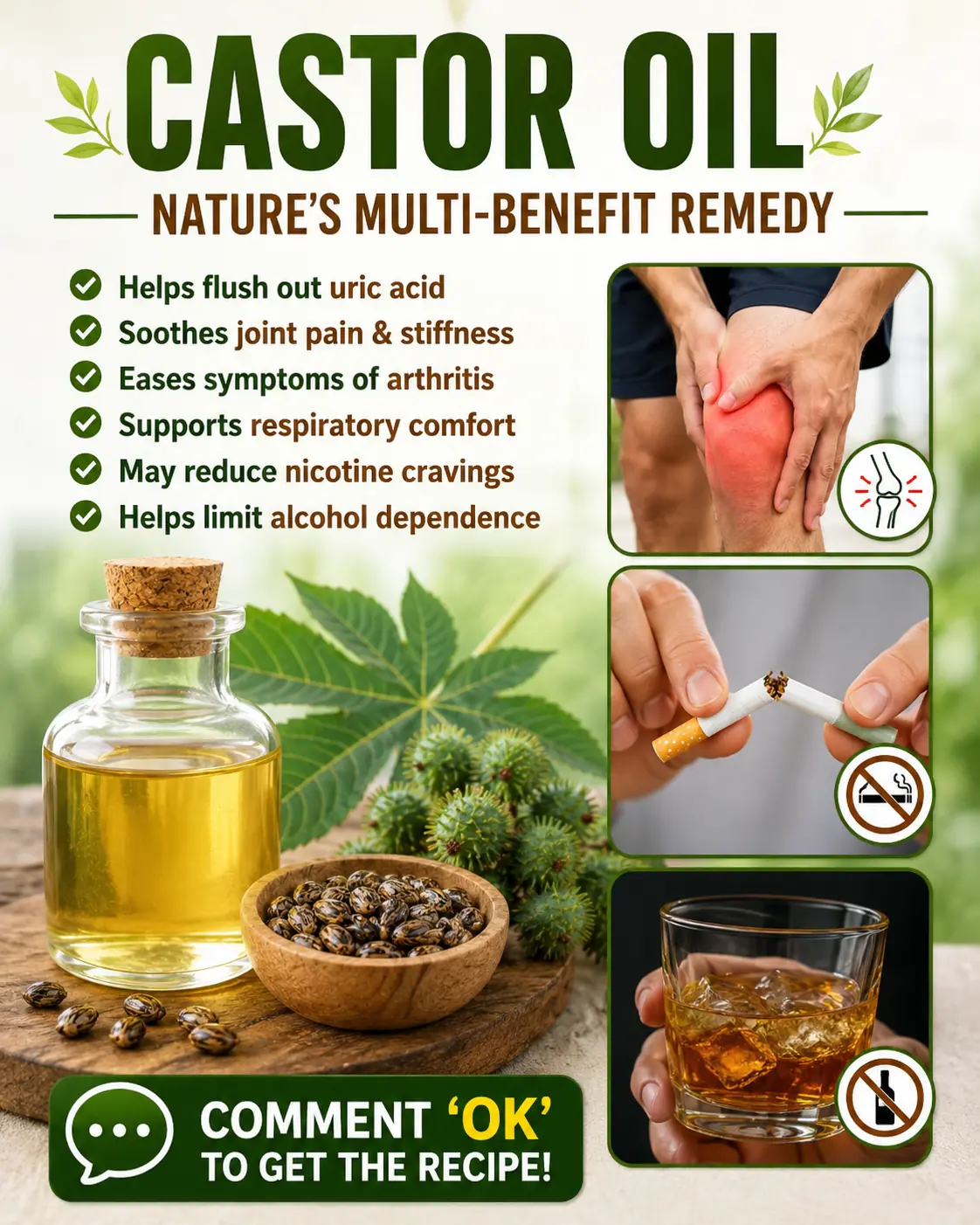
Castor Oil: 25 Practical Uses, How to Use It Safely, and What You Should Know
Garden Healthy 20/07/2026 21:09
.jpg)
As cancer rates continue to rise worldwide, many people ask an important question:
Can healthy daily habits help support the body during cancer treatment and recovery?
This question has led many people to explore nutrition, stress management, sleep, movement, and other lifestyle practices alongside conventional medical care.
One public figure who frequently discusses this topic is Barbara O'Neill, a natural health educator. Her message encourages people to care for the body's overall environment through healthy lifestyle choices. While many of her ideas reflect traditional wellness approaches, it's important to understand that some of her claims are not supported by strong scientific evidence and should not replace medical treatment.
Let's examine what current evidence supports—and where caution is needed.
Modern cancer care increasingly recognizes that health involves more than treating a disease alone.
Alongside medical treatment, many healthcare professionals encourage patients to focus on:
These habits cannot cure cancer, but they may improve quality of life, help maintain strength, and support overall well-being during treatment.
Barbara O'Neill often emphasizes reducing refined sugar and processed foods.
Current research agrees that limiting highly processed foods and added sugars can benefit overall health.
A balanced eating pattern may include:
However, it's important to clarify that eating sugar does not "feed" cancer in a way that can be stopped simply by avoiding sugar. All cells—including healthy ones—use glucose for energy.
Rather than eliminating carbohydrates, experts generally recommend balanced nutrition tailored to each individual's medical needs.
Barbara also encourages deep breathing and regular movement.
While increasing oxygen through breathing exercises has not been shown to treat cancer, regular physical activity offers many well-established benefits.
Depending on medical advice, gentle activities such as:
may help improve:

Fresh air and time in nature can also contribute to emotional well-being.
One recommendation that aligns with many nutrition guidelines is eating more whole, plant-rich foods.
A balanced anti-inflammatory dietary pattern often includes:
🥬 Leafy green vegetables
🍅 Tomatoes
🥦 Colorful vegetables
🍓 Berries
🫘 Beans
🥜 Nuts
🌰 Seeds
🫒 Olive oil
🍊 Fruits rich in vitamin C
These foods provide:
Together, they help support overall health.
It's worth noting that claims that foods can "alkalize the body" are not supported by current scientific evidence. The body carefully regulates blood pH regardless of diet, although eating more fruits and vegetables is still beneficial for many reasons.
Barbara O'Neill frequently discusses olive leaf extract.
Olive leaves naturally contain oleuropein, a plant compound with antioxidant properties.
Early laboratory research has explored potential biological effects, including:
However, there is currently no reliable clinical evidence showing that olive leaf extract treats or cures cancer.
If you're considering herbal supplements during cancer treatment, always discuss them with your oncology team, as some supplements may interact with medications.
Many nutrition professionals recommend building meals around nutrient-dense whole foods such as:
🍅 Tomatoes with olive oil
🥬 Leafy greens
🥕 Colorful vegetables
🍋 Citrus fruits
🫘 Beans and lentils
🥜 Nuts and seeds
🐟 Fish (if appropriate)
💧 Plenty of water
These foods contribute important nutrients that support general health.
For overall wellness, many health organizations recommend limiting:
Rather than focusing on strict food rules, most experts encourage a balanced, sustainable eating pattern.
Barbara O'Neill often references the work of Nobel Prize winner Dr. Otto Warburg.
The Warburg effect describes how many cancer cells use glucose differently from healthy cells under laboratory conditions.
This is an important scientific discovery, but it does not mean that eating sugar causes cancer or that eliminating sugar can cure it.
Cancer biology is extremely complex, involving genetics, the immune system, hormones, environmental factors, and many other influences.
Many supportive lifestyle habits can complement medical treatment by helping people feel stronger and maintain quality of life.
These may include:
🧘 Stress reduction
🚶 Regular movement as tolerated
💤 Quality sleep
🥗 Balanced nutrition
💧 Staying hydrated
❤️ Emotional support from family, friends, or counseling
👩⚕️ Following your healthcare team's recommendations
These practices support the whole person—even though they are not treatments for cancer itself.
No. Healthy lifestyle habits can support overall health and quality of life, but they should never replace evidence-based cancer treatment.
Not necessarily. Most experts recommend limiting added sugars rather than eliminating all carbohydrates. Your healthcare provider or registered dietitian can help create an eating plan appropriate for your needs.
No. Natural products can interact with medications or affect cancer treatments. Always consult your healthcare team before starting supplements.
Yes. Good nutrition can help support strength, recovery, immune function, and quality of life during and after treatment, although it is not a cure for cancer.
Barbara O'Neill's emphasis on nutrition, movement, stress management, and healthy daily habits reflects an important truth: lifestyle plays a meaningful role in overall well-being. Many of these habits—such as eating more whole foods, staying active, sleeping well, and managing stress—are supported by scientific evidence for promoting general health.
However, it's equally important to separate wellness support from medical treatment. There is no natural diet, herb, supplement, or lifestyle practice that has been proven to cure cancer. The best approach is to combine healthy daily habits with guidance from qualified healthcare professionals and evidence-based cancer care.
Medical Disclaimer: This article is for educational purposes only and is not intended as medical advice. If you have cancer or any other serious medical condition, always consult your oncologist or qualified healthcare provider before making changes to your diet, supplements, or treatment plan. Natural remedies should complement—not replace—professional medical care.