Fabric Softeners and Indoor Air Quality: Hidden Health Risks You Should Know
Facts 15/12/2025 00:06
Baking Soda Washes Can Cut Fruit Pesticide Residues by Up to 96%, Outperforming Vinegar and Plain Water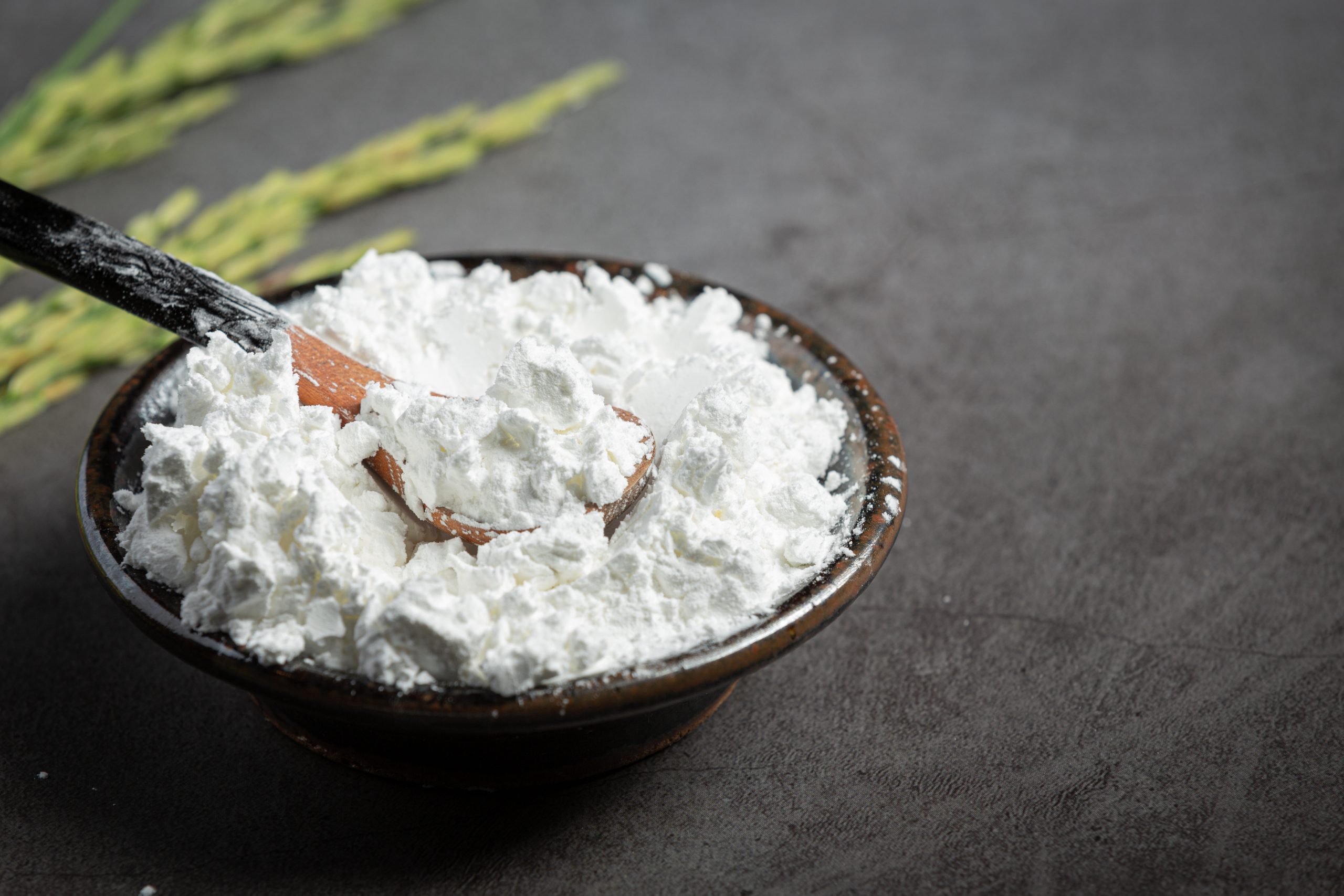
A bowl of fruit may appear pristine, yet it could still harbor remnants of its journey, from the dust of the orchard to the protective coatings and pesticide residues used to ensure its survival during transport. The concern over these residues has fueled the popularity of baking soda washes, which promise a cleaner bite with minimal effort—just a few pantry ingredients and a couple of minutes in the sink. However, the more important question is: how effective are these simple washes in eliminating pesticides from produce, and where does their impact end?

Washing produce isn't just about making it look good. In addition to dirt and dust, fruits and vegetables can carry harmful microbes such as Salmonella, E. coli, or Listeria, depending on the growing and handling conditions. The CDC's guidance is clear: produce should always be thoroughly washed under running water before preparing or consuming it to reduce the risk of contamination.
Baking soda is gaining attention primarily for its potential to remove pesticide residue from the surface of conventionally grown produce. A 2017 study from the University of Massachusetts revealed that soaking apples in a 1% baking soda solution for 15 minutes, followed by a rinse with clean water, removed two commonly used pesticides more effectively than just rinsing with water alone. However, the study also pointed out a significant limitation: some pesticides, such as thiabendazole, designed to be absorbed by the fruit, remained trapped within the peel, and even phosmet, which is intended to stay on the surface, showed some degree of penetration.
In a practical experiment, researchers tested grapes using pesticide detection cards that identify certain pesticide classes. The results showed that only grapes treated with a baking soda solution produced a "low-to-no residue" color change, while those rinsed with vinegar or plain water did not exhibit this outcome. This suggests that baking soda might be more effective in reducing pesticide residues than other common washing methods.
The chemistry behind this is plausible. Many pesticides break down more easily in an alkaline environment, and since baking soda creates a mildly alkaline solution, it helps to dissolve some pesticide residues so they can be rinsed away. However, baking soda cannot completely eliminate pesticides that have penetrated beneath the surface.

Using a baking soda wash is straightforward, but its effectiveness depends on factors such as the duration of contact, concentration of the solution, and the type of produce being washed. The general recommendation is a brief soak, followed by a thorough rinse.
Common ratios include the one used in the study: about 2 teaspoons of baking soda per 1 quart of water, with a 15-minute soak for firmer produce. Alternatively, Arm and Hammer suggests a similar method at a smaller scale: 1 teaspoon of baking soda per 2 cups of cold water, followed by swishing and soaking for 12 to 15 minutes. After soaking, the produce should be rinsed under cool running water.
Sarah House, a food innovation chef at Bob's Red Mill, highlights the importance of drying produce after washing. "Baking soda helps to remove any residue left on the exterior," she explains, "but it's crucial to rinse with cool, clean water and dry the produce thoroughly before storing it." This step helps prevent bacterial growth during storage.
Not every fruit or vegetable benefits from a long soak. Since baking soda creates an alkaline environment, it can break down the skins of more delicate produce if left for too long. Firmer, smooth-skinned fruits like apples, pears, and melons handle a longer soak better than more fragile produce, such as berries and leafy greens, which should be swished and rinsed briefly to avoid damage.
It's also essential to avoid washing produce with soap or household detergents. The FDA warns that produce is porous and that chemicals from cleaners can be absorbed even after rinsing, potentially leading to illness. For most households, the safest approach is to wash produce with water, use a baking soda wash when necessary, and dry it thoroughly before storing.

Different washing methods yield varying results when it comes to removing pesticide residues from produce. In the studies referenced, baking soda consistently outperformed both vinegar and plain water, though the degree of effectiveness varied based on the type of pesticide and testing method used.
For example, in an experiment where grapes were treated in four different ways—soaked for 15 minutes in a baking soda solution, swirled in the same solution for 30 seconds, misted with a vinegar-and-water solution (3 parts water to 1 part vinegar), and rinsed with cold water—the results showed that only the grapes treated with the baking soda solution exhibited a "low-to-no residue" color change on pesticide detection cards. The other treatments did not produce similar results.
Further studies confirm this trend, showing that baking soda washes can reduce pesticide residues by 66.7% to 98.9%, while plain water typically reduces residues by about 26.7% to 62.9%. These findings explain why baking soda has become a popular choice for those looking to remove surface pesticide residues more effectively than simple rinsing.
However, it's important to keep expectations in check. Home testing tools like pesticide detection cards typically detect only specific pesticide classes and cannot identify all possible chemicals. A strong result in reducing surface residues doesn't necessarily mean that pesticides beneath the peel have been eliminated. Vinegar, while beneficial for general cleaning, does not appear to break down pesticide residues as effectively as baking soda.

Baking soda can help reduce pesticide residues, but it has clear limitations that are often overlooked in popular demonstrations. The key limitation is that it primarily affects the outer surface of produce. Pesticides designed to be absorbed into the fruit or those that have penetrated the peel will not be effectively removed by a baking soda wash.
For instance, the University of Massachusetts study highlighted that while a 15-minute soak in a 1% baking soda solution effectively removed two pesticides from the surface of apples, about 20% of thiabendazole, a pesticide designed to be absorbed, remained within the peel. Even phosmet, a pesticide that is meant to stay on the surface, showed some penetration, with 4.4% of it remaining after washing.
It's crucial not to confuse pesticide removal with food safety. A baking soda wash is not a disinfecting process, and it should not be seen as a substitute for safe handling practices. Produce can still be contaminated with harmful bacteria from soil or water, and no wash method guarantees the complete elimination of pathogens. This is why public health agencies continue to recommend thorough washing under running water and careful storage.
Moreover, washing methods do not address broader concerns about pesticide exposure for individuals seeking to reduce their overall pesticide consumption. In such cases, sourcing choices—such as buying organic or purchasing from growers who use fewer pesticides—can play an equally important role in minimizing pesticide exposure.

The most reliable baseline is also the simplest: wash produce thoroughly under running water, as the CDC recommends. For households looking for an extra step, a baking soda wash can be selectively applied to sturdier, smooth-skinned fruits and vegetables, with a brief swish and an optional 12 to 15-minute soak, followed by a thorough rinse. Delicate produce often does better with a quicker swish and rinse to prevent damage. Soap and household detergents should always be avoided, as they can be absorbed by the produce, even after rinsing.
The bottom line is that no washing method can guarantee the removal of every pesticide, especially those that have penetrated the peel. At the same time, USDA monitoring through the Pesticide Data Program consistently finds that when pesticide residues are detected, they are generally below levels considered harmful to consumers. This context supports a balanced approach: regular rinsing for everyday use, plus occasional baking soda washes for the right produce, when practical.
For those who are most concerned with pesticide exposure, washing is most effective when combined with thoughtful sourcing decisions. Purchasing organic produce when possible, or choosing growers with minimal pesticide use, can significantly reduce reliance on kitchen-based cleaning methods. Taken together, a consistent rinse-first habit, occasional baking soda washes, and careful purchasing can effectively reduce surface pesticide residues without complicating the produce preparation process.
Sources:
Yang, T., Doherty, J., Zhao, B., Kinchla, A. J., Clark, J. M., & He, L. (2017). Effectiveness of commercial and homemade washing agents in removing pesticide residues on and in apples. Journal of Agricultural and Food Chemistry, 65(44), 9744–9752. https://doi.org/10.1021/acs.jafc.7b03118
FDA. (2021). Safe handling of fresh produce. Retrieved from www.fda.gov
CDC. (2022). How to Wash Fresh Produce. Retrieved from www.cdc.gov