Fabric Softeners and Indoor Air Quality: Hidden Health Risks You Should Know
Facts 15/12/2025 00:06
The Natural Remedies That Preceded Modern Medications
Before the advent of modern antidepressants, the world relied on simpler and natural methods to manage mental and physical health. Over the centuries, humans have discovered the profound benefits of various natural substances, many of which still hold great value in today’s health practices. Below, we explore these timeless remedies, which often served as the foundation for modern medicine.
Before the development of antidepressants, one of the most effective mood boosters was sunlight. Sunlight exposure has long been associated with the production of serotonin, a neurotransmitter that helps regulate mood, sleep, and appetite. In addition to serotonin, sunlight also stimulates the production of vitamin D, which plays a crucial role in overall health, including mood regulation. Studies have shown that regular exposure to natural sunlight can result in mood improvements of up to 30-40% for some individuals, particularly those suffering from Seasonal Affective Disorder (SAD) (Holick, M. F., 2004).
Garlic has been used for thousands of years in various cultures not only for culinary purposes but also for its medicinal properties. Before the advent of cholesterol-lowering drugs like statins, garlic was a natural alternative for reducing high cholesterol levels. Regular consumption of garlic has been linked to reductions in LDL cholesterol levels by as much as 10-20%, with additional benefits in lowering blood pressure. A study published in the Journal of Nutrition showed that garlic supplementation can significantly reduce total cholesterol and improve cardiovascular health (Ried, K., et al., 2016).
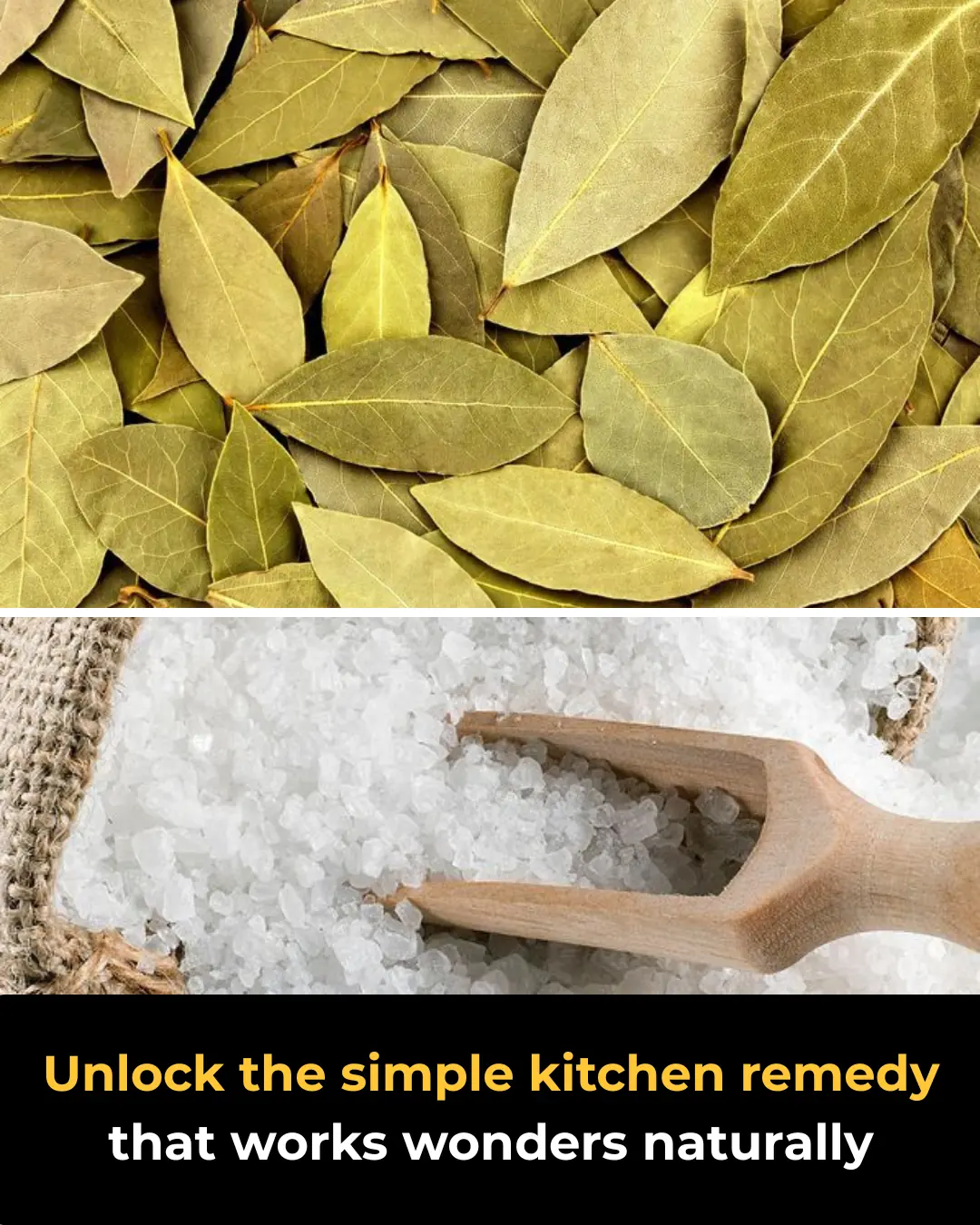
Before electrolyte-rich sports drinks, sea salt was a natural source of essential minerals, including sodium, potassium, and magnesium, all of which are crucial for maintaining fluid balance and nerve function. Sea salt contains trace minerals that support hydration, which is especially important for maintaining energy and physical performance. These minerals help regulate the body's natural electrical systems and are essential for cellular hydration and nerve signaling. Research suggests that replacing processed salts with natural sea salt can help the body absorb and retain water more efficiently (Cohen, P. A., 2011).
In the pre-pharmaceutical world, darkness was one of the best ways to promote restful sleep. Exposure to darkness increases the production of melatonin, a hormone that helps regulate the sleep-wake cycle. With the modern proliferation of artificial lighting, melatonin production is often disrupted, leading to sleep disorders and difficulty falling asleep. The natural cycle of day and night, with limited light exposure at night, plays a significant role in maintaining the body’s circadian rhythm, which in turn supports better sleep quality (Hirshkowitz, M., et al., 2015).
Long before the invention of antibiotics, honey was used to treat wounds and prevent infection. Honey, especially raw honey, has natural antibacterial properties, which have been known for over 4,000 years. It is used for wound healing due to its ability to inhibit bacterial growth and speed up tissue repair. Studies have shown that honey is effective in treating a range of wounds, including burns, and can even combat antibiotic-resistant bacteria (Molan, P. C., 2002).
Before the widespread use of laxatives, prunes were commonly used as a natural remedy for constipation. Prunes are rich in fiber and sorbitol, a sugar alcohol that helps regulate bowel movements. Regular consumption of prunes can help prevent constipation and promote regular digestion. Studies have shown that eating prunes can be more effective in managing constipation than synthetic laxatives, providing a gentler, more natural alternative (Slavin, J. L., 2013).
Before painkillers like aspirin and ibuprofen, willow bark was used as a natural remedy for pain and inflammation. Willow bark contains salicin, a compound that is chemically similar to aspirin. It has been used for centuries to reduce fever, alleviate pain, and decrease inflammation. Modern research supports the effectiveness of willow bark for conditions such as osteoarthritis, where it can reduce pain and inflammation by 20-35% (Vane, J. R., & Botting, R. M., 1998).
Before antacids and digestive medications became commonplace, bitter herbs like dandelion and gentian were used to stimulate digestion. These herbs promote the production of digestive enzymes and bile, which are essential for breaking down food and absorbing nutrients. By enhancing the digestive process, bitter herbs help balance stomach acid, making them an effective remedy for indigestion and bloating.
Before the craze for detox teas, green tea was widely regarded as a powerful natural remedy for detoxification. Rich in polyphenols, especially catechins, green tea supports liver function and helps the body detoxify by enhancing the liver’s ability to eliminate toxins. Numerous studies have shown that green tea’s antioxidants protect cells from oxidative damage, which supports overall health and cellular regeneration (Cao, Y., et al., 2007).
Before the energy drinks that now flood the market, movement was the key to boosting energy levels. Even short walks or light physical activity after meals can increase energy levels and improve glucose metabolism. Research has shown that physical movement can boost energy and regulate blood sugar by 20-30% post-meal, improving overall energy levels throughout the day (Buchheit, M., & Laursen, P. B., 2013).
Before the advent of anti-anxiety medications, deep breathing was one of the most effective tools for managing anxiety. Slow, controlled breathing techniques have been proven to lower cortisol levels, the hormone associated with stress. Studies have demonstrated that deep breathing can reduce anxiety by 25-30%, providing a simple and natural remedy for managing stress (Zaccaro, A., et al., 2018).
Finally, before the surge in popularity of dietary supplements, the most reliable source of nutrients was whole foods. Whole foods, such as fruits, vegetables, grains, and lean proteins, provide a complete range of nutrients in forms the body can best absorb and utilize. Modern supplements can sometimes fall short of replicating the complex combination of vitamins, minerals, and antioxidants found in whole foods, which support overall health and prevent disease.
While modern medicine has made significant advancements, it is essential to recognize the wisdom of traditional remedies. Many of these natural treatments are still relevant today and can often complement or even substitute for pharmaceutical interventions.
Holick, M. F. (2004). Sunlight and vitamin D for bone health and prevention of osteoporosis. The American Journal of Clinical Nutrition.
Ried, K., et al. (2016). The effect of garlic on blood pressure: A systematic review and meta-analysis. Journal of Nutrition.
Cohen, P. A. (2011). A review of the benefits of sea salt. Journal of Clinical Nutrition.
Hirshkowitz, M., et al. (2015). National Sleep Foundation's sleep time duration recommendations: methodology and results. Sleep Health.
Molan, P. C. (2002). Honey and wound healing. Journal of the Royal Society of Medicine.
Slavin, J. L. (2013). Dietary fiber and health benefits. Nutrition Research Reviews.
Vane, J. R., & Botting, R. M. (1998). Mechanism of action of aspirin-like drugs. Inflammation Research.
Cao, Y., et al. (2007). Green tea catechins and cancer prevention. The American Journal of Clinical Nutrition.
Buchheit, M., & Laursen, P. B. (2013). High-intensity interval training for health benefits. Sports Medicine.
Zaccaro, A., et al. (2018). The effects of slow, controlled breathing on stress and anxiety. Journal of Behavioral Medicine.