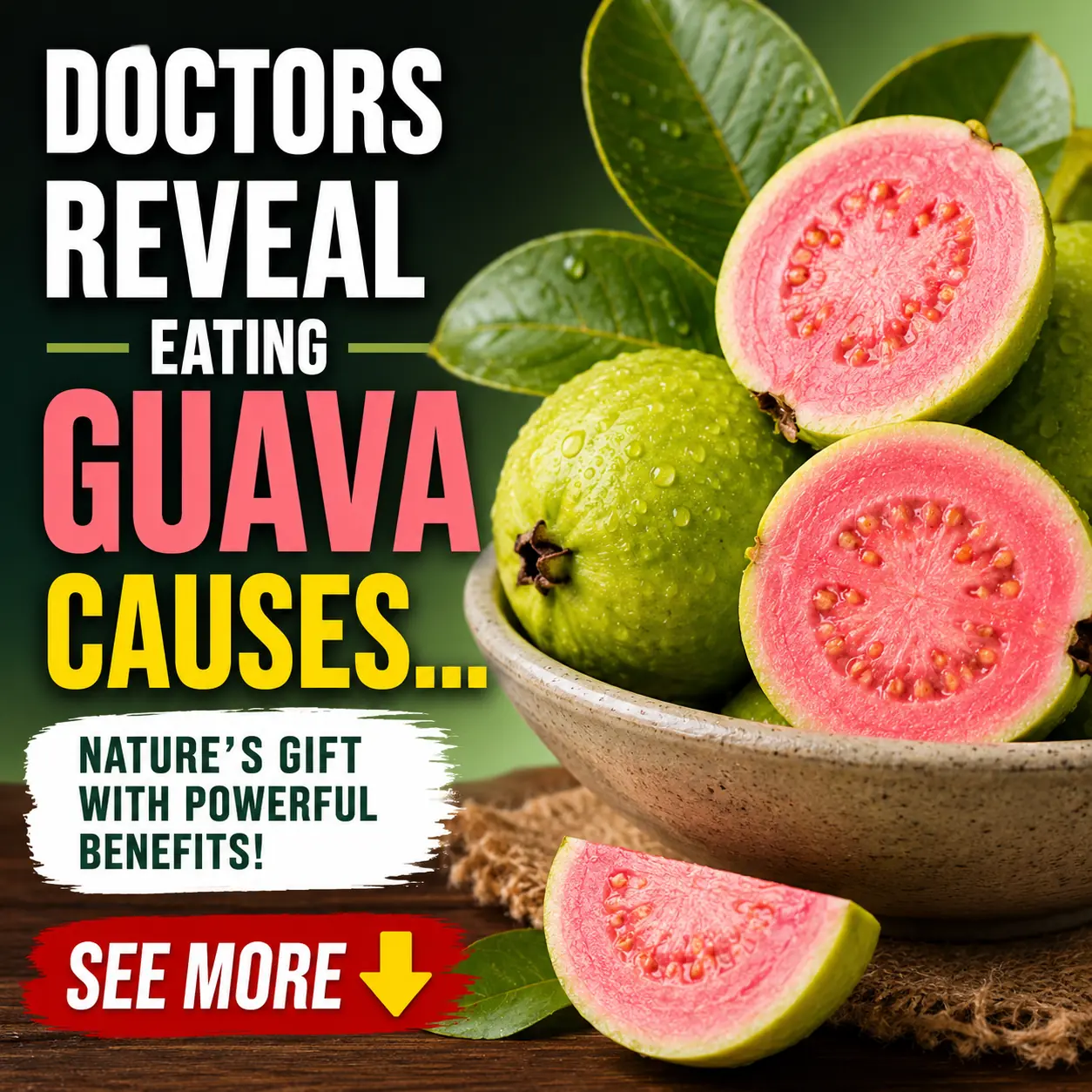
The Impressive Health Benefits of Guava Fruit and Leaves & How to Eat Guava (Evidence Based)
Health 12/08/2026 15:57


 5
5
Stories about people who lived exceptionally long lives despite being diagnosed with cancer often capture public attention. Many of these stories credit a single vegetable, a special drink, or a secret daily habit for their remarkable longevity. While such personal experiences can be inspiring, medical experts emphasize that there is no scientific evidence proving that any single food can prevent or cure cancer. Cancer is a complex group of diseases influenced by genetics, age, lifestyle, environmental exposures, and chance. However, decades of research have shown that a healthy diet can play an important role in reducing overall cancer risk.
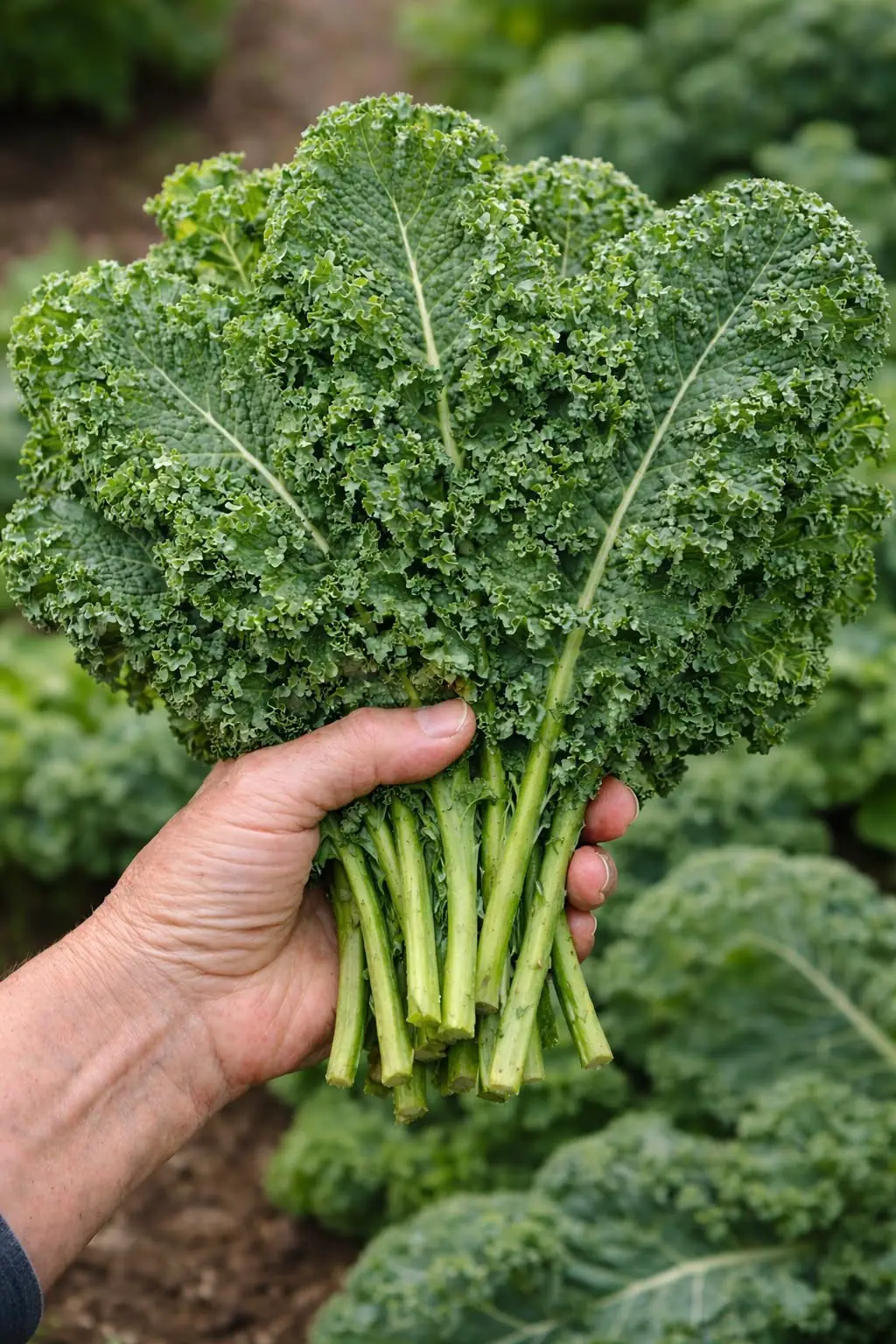
Among the foods most frequently associated with cancer prevention are cruciferous vegetables, including broccoli, cabbage, cauliflower, Brussels sprouts, kale, and bok choy. These vegetables contain natural compounds such as glucosinolates, which are converted into biologically active substances during digestion. Laboratory and population studies suggest these compounds may help protect cells from damage, support the body's detoxification processes, and reduce inflammation. Although the findings are encouraging, eating these vegetables does not guarantee protection against cancer.
Green tea is another beverage that has received considerable scientific attention. It contains antioxidants called catechins, particularly epigallocatechin gallate (EGCG), which have demonstrated anti-cancer activity in laboratory studies. Some observational studies suggest that people who regularly drink green tea may have a lower risk of certain cancers, but the evidence remains mixed. Large clinical studies have not confirmed that green tea alone can prevent cancer, and experts do not recommend relying on it as a medical treatment.


 7
7
The truth is that cancer prevention depends on an overall healthy lifestyle rather than one "superfood." Research consistently shows that eating a diet rich in fruits, vegetables, whole grains, legumes, and healthy fats while limiting processed meats, sugary beverages, and heavily processed foods is associated with better long-term health. Different vegetables provide different vitamins, minerals, fiber, and plant compounds, making variety more important than focusing on a single ingredient.
Maintaining a healthy body weight also plays a major role in lowering cancer risk. Excess body fat has been linked to several types of cancer, including colorectal, breast, kidney, liver, and endometrial cancers. Regular physical activity helps regulate hormones, reduce inflammation, and strengthen the immune system, all of which contribute to better overall health.
Avoiding tobacco remains the single most effective way to reduce cancer risk. Smoking and other forms of tobacco use are responsible for millions of cancer-related deaths worldwide each year. Limiting alcohol consumption, protecting the skin from excessive ultraviolet exposure, receiving recommended vaccinations such as HPV and hepatitis B, and participating in age-appropriate cancer screenings are also important preventive measures.
Many long-lived individuals share similar lifestyle habits beyond their diet. They often remain physically active, maintain strong social relationships, manage stress effectively, sleep well, and receive regular medical care. These combined factors may contribute more to longevity than any individual food or beverage.


 6
6
It is equally important to approach extraordinary health claims with caution. Headlines suggesting that one vegetable can "prevent cancer" or that one inexpensive drink can guarantee a long life often oversimplify complex scientific research. Nutrition science usually examines long-term dietary patterns across thousands of people rather than isolated foods. While certain foods may contribute to better health, they work as part of an overall balanced lifestyle rather than acting as miracle cures.
If you have been diagnosed with cancer, it is essential to follow the advice of your oncology team. A nutritious diet can support overall health during treatment, but it should never replace evidence-based therapies such as surgery, chemotherapy, radiation, immunotherapy, or targeted treatments when they are recommended.
In the end, there is no secret vegetable or magical drink that can eliminate the risk of cancer. The best strategy is remarkably simple: eat a wide variety of plant-based foods, stay physically active, avoid tobacco, limit alcohol, maintain a healthy weight, and keep up with regular medical checkups and recommended screenings. These everyday choices, practiced consistently over time, offer the strongest scientific foundation for supporting long-term health and reducing cancer risk.