The Surprising Health Benefits of Coffee
Tips 23/02/2026 13:18
If hair starts growing on your ears, it’s usually your body responding to natural changes — not a sign that something is “wrong.”
Many people feel surprised or even concerned when they notice thicker or more visible hair around the ears. But in most cases, this is a completely normal biological process linked to hormones, genetics, and aging.
Let’s break it down clearly.
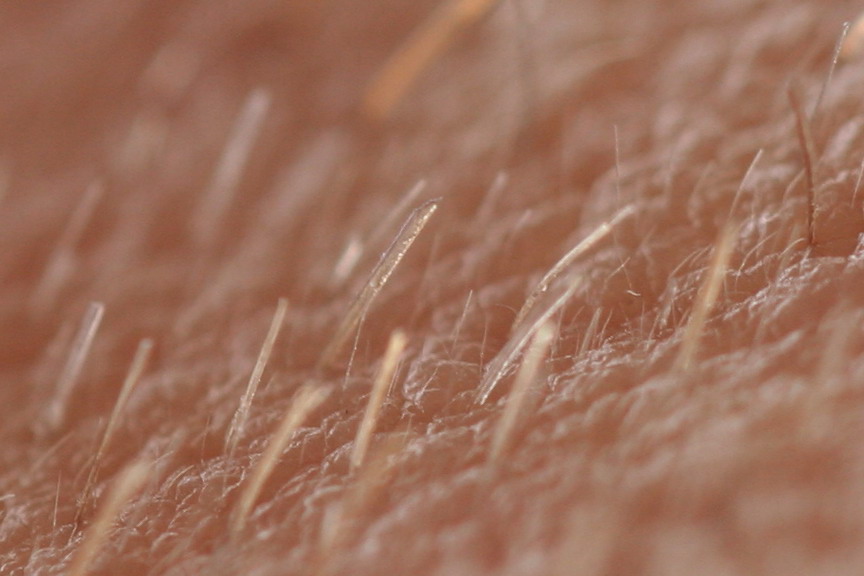


Hair on the ears grows from hair follicles, just like hair on your scalp, arms, or face. There are two main types involved:
Vellus hair – fine, light, and barely noticeable
Terminal hair – thicker, darker, and coarser
As people age, vellus hair can gradually transform into terminal hair. This commonly happens around the ears, nose, eyebrows, and sometimes the cheeks.
This shift is biologically programmed. It is not random, and it is not a defect. It reflects how hair follicles respond to hormonal signals over time.
The primary reason is hormonal change, especially involving androgens — male-associated hormones such as testosterone (present in both men and women).
As we age:
Some hair follicles become more sensitive to androgens
While scalp follicles may weaken, ear follicles can become more active
Hair grows longer, thicker, and sometimes faster
Ear hair often becomes noticeable:
After age 40
More prominently after age 50–60
Importantly, this is not an increase in total body hair. It is a redistribution of hair growth patterns — some areas thin (like the scalp), while others become more active.
In most cases: No.
Ear hair by itself is not considered a disease indicator and is not used medically as a diagnostic sign.
Some observational studies have noted correlations — not causes — between prominent ear hair and certain conditions, such as:
Age-related cardiovascular changes
Long-term hormonal patterns
Genetic traits linked to metabolism or circulation
However:
Ear hair does not cause illness
It does not diagnose heart disease
It only becomes relevant if combined with other concerning symptoms
Doctors do not evaluate ear hair as a standalone medical marker.
This difference largely comes down to androgen sensitivity.
Men:
Have higher lifetime exposure to testosterone
Hair follicles respond more strongly to hormonal shifts
More likely to develop terminal hair in ears and nose
Women:
Generally have lower androgen levels
Ear hair tends to remain fine and light
May notice increased facial or ear hair after menopause due to declining estrogen
After menopause, hormonal balance shifts, which can make androgen effects more visible — including new hair growth.
Genetics plays a major role.
Key influences include:
Family hair-growth patterns
Inherited follicle sensitivity
Ethnic background
Certain populations — including Mediterranean, Middle Eastern, and South Asian backgrounds — often show stronger facial and body hair expression.
If your father or grandfather had noticeable ear hair, there is a higher likelihood you may develop it as well. This is simply genetic expression over time.
Indirectly, yes.
Chronic stress can:
Alter hormone balance
Increase cortisol levels
Influence hair growth cycles
Lifestyle factors that may amplify hair growth include:
Smoking (which affects circulation and follicles)
Poor sleep
Hormonal medications
Anabolic steroid use
However, these factors typically enhance existing tendencies rather than create ear hair from nothing. Genetics and age remain the primary drivers.


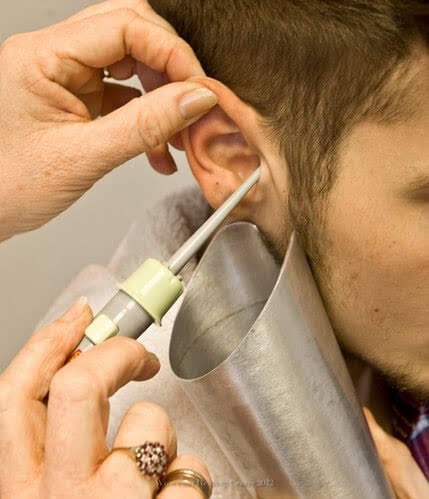
Removing ear hair is generally safe when done properly.
Safer methods include:
Electric ear trimmers designed specifically for grooming
Small rounded-tip grooming scissors
Professional waxing (performed carefully)
Avoid:
Deep plucking (can cause irritation or infection)
Inserting razors into the ear canal
Harsh chemical depilatories
Ear hair does serve a minor protective function by helping trap dust and debris. However, excess visible hair is not medically necessary and can be trimmed safely for cosmetic reasons.
In most situations, ear hair is simply part of aging.
You should consult a healthcare professional only if ear hair appears suddenly along with:
Rapid hormonal changes
Unexplained weight gain
Voice deepening
Excessive hair growth across the entire body
Persistent fatigue or weakness
When isolated, ear hair is considered a normal biological change rather than a warning sign.
Ear hair means:
✔ Your hair follicles are responding to hormones
✔ Your body is aging normally
✔ Your genetics are expressing themselves
It does not automatically mean:
✘ Poor health
✘ Heart disease
✘ A hormonal disorder
In short, ear hair is primarily a cosmetic change — not a medical alarm.
Understanding the science behind it can replace worry with reassurance.