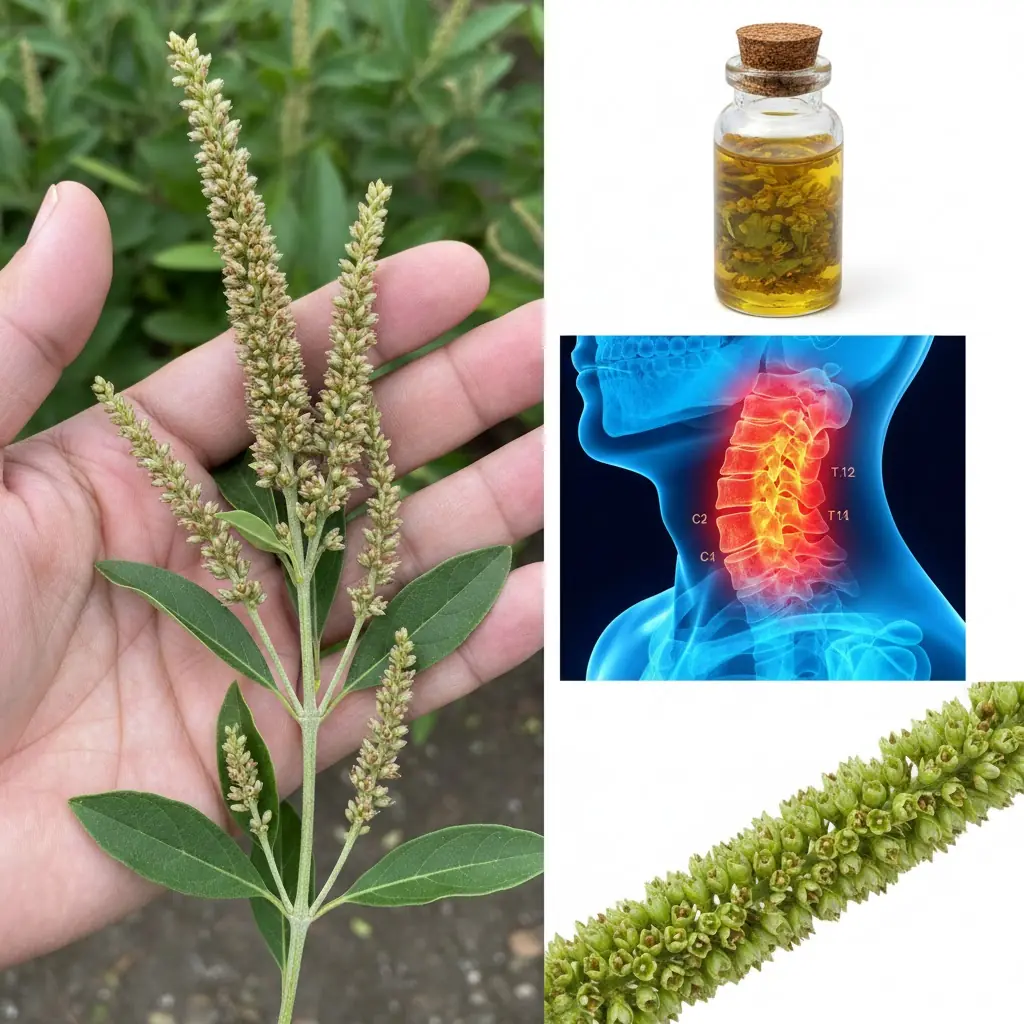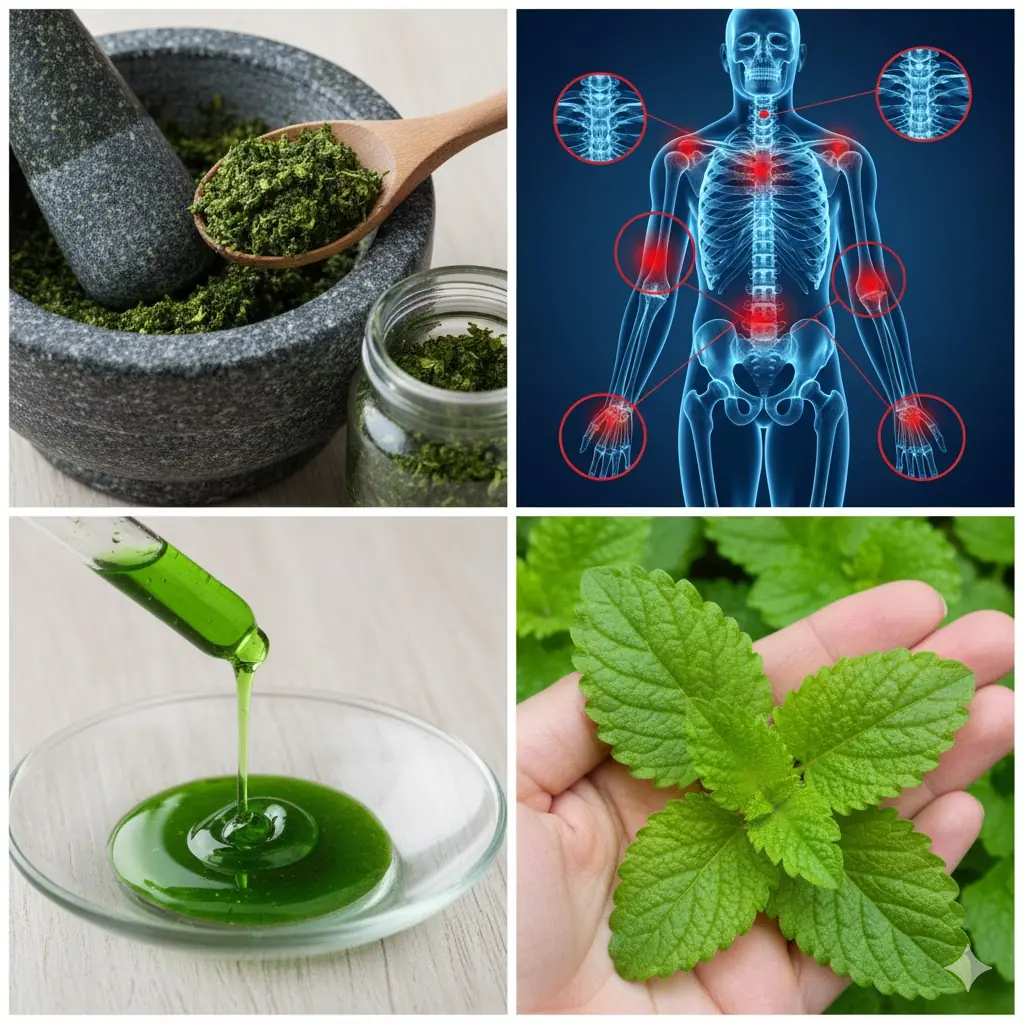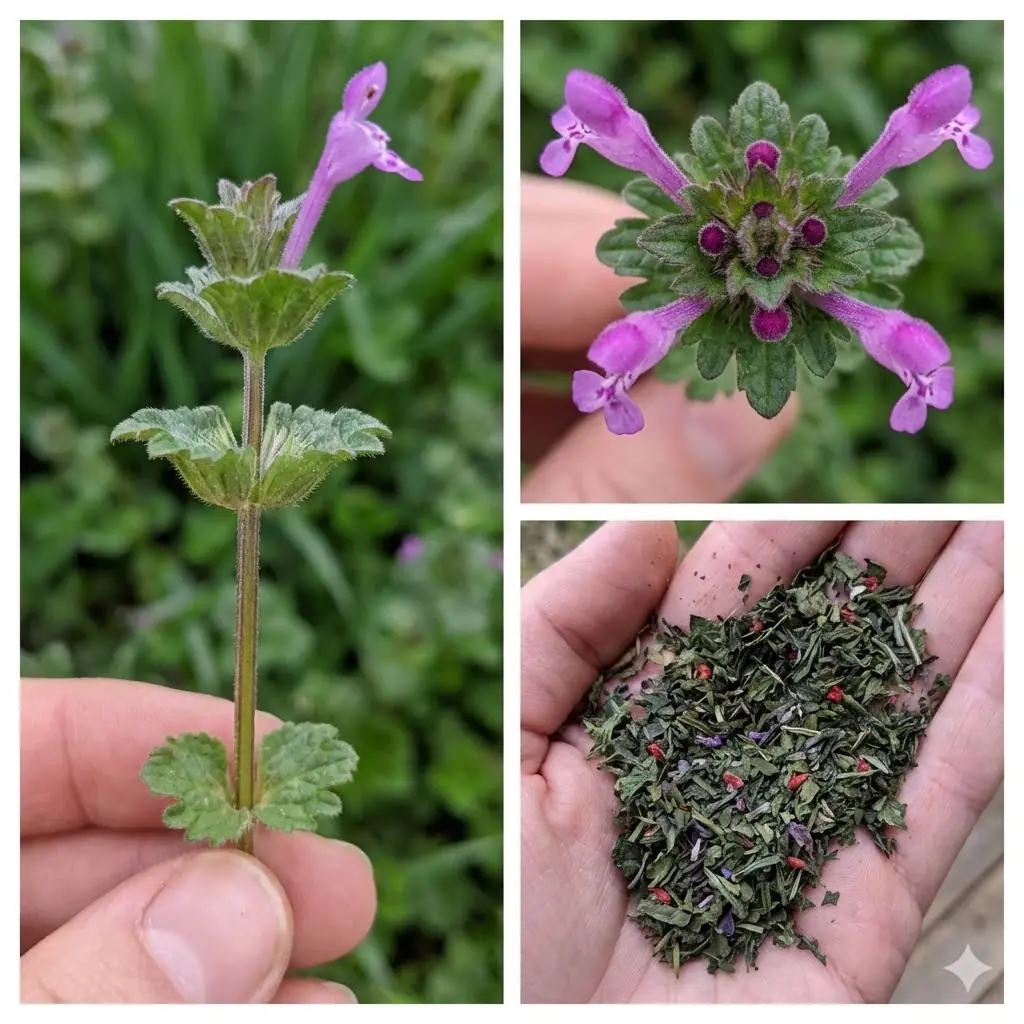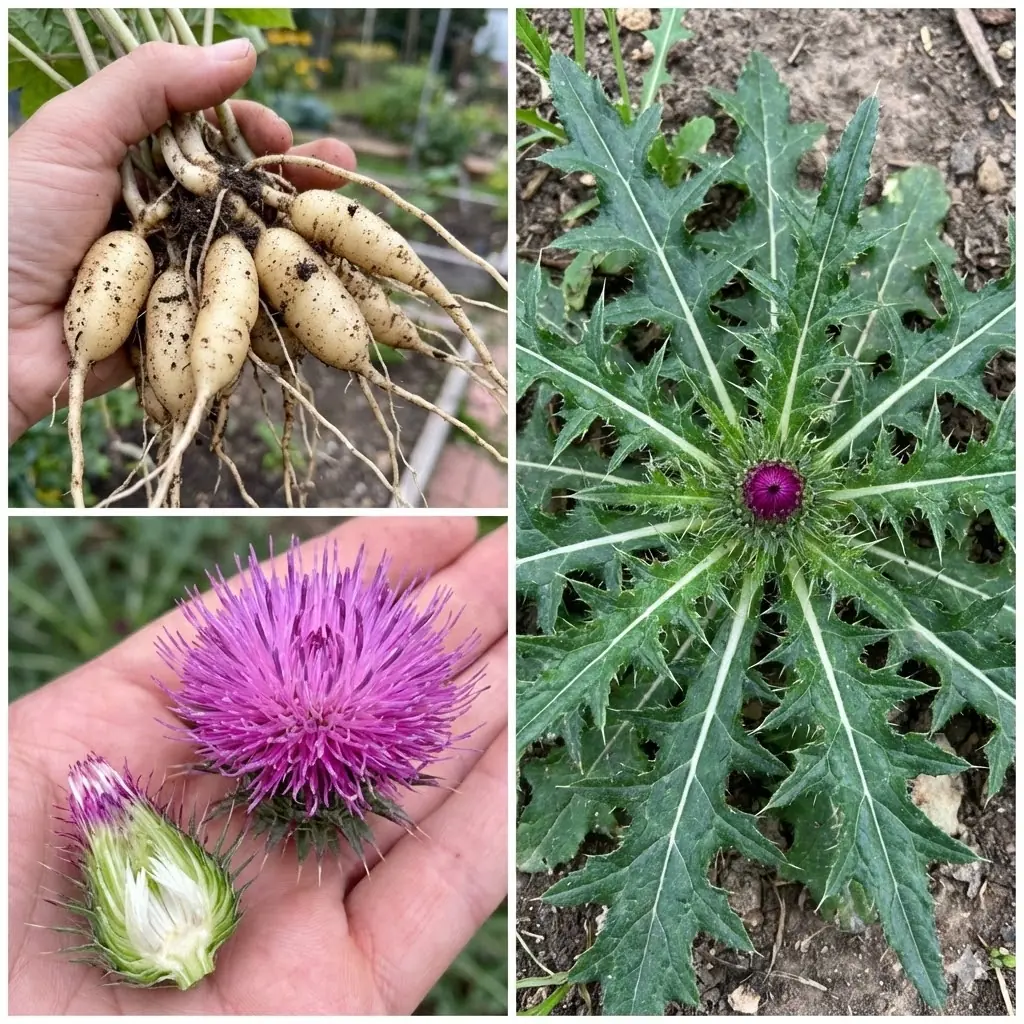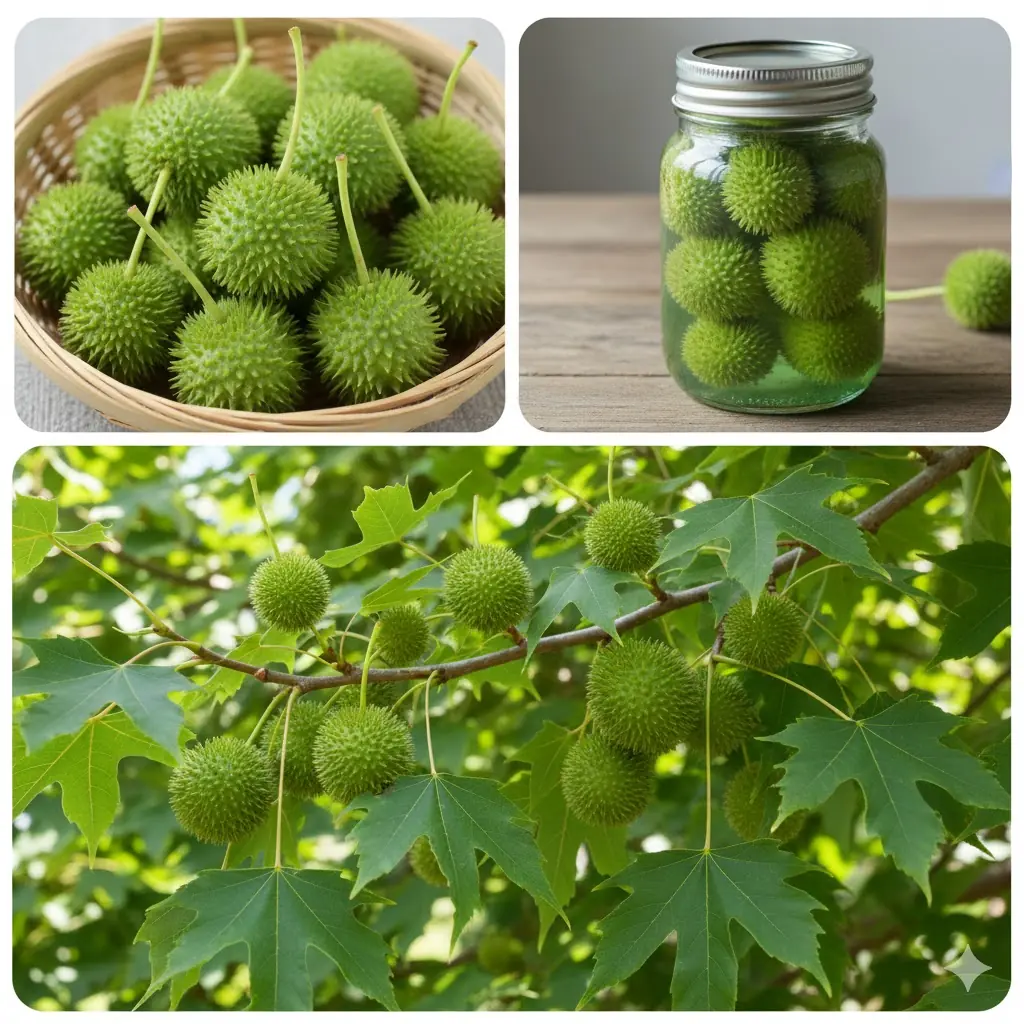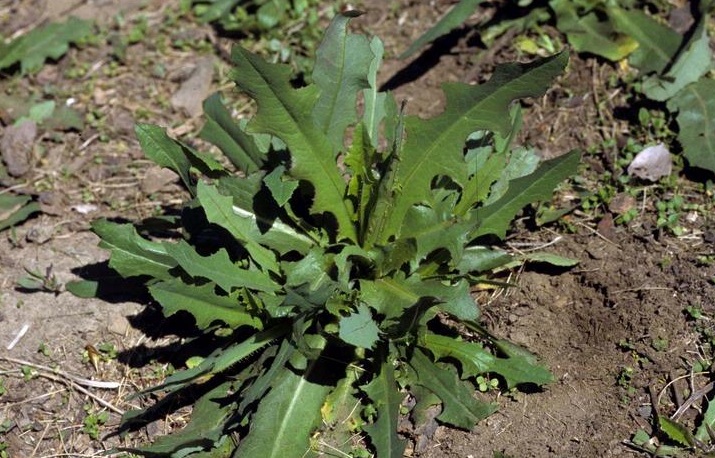
Wild lettuce (Lactuca virosa), sometimes called opium lettuce, is a traditional medicinal plant that has been valued for centuries as a natural remedy for pain relief, relaxation, and sleep support. Although it is not related to opium, the plant earned its nickname because of its calming and mildly sedative effects.
The milky white sap found inside the stems and leaves—known as lactucarium—is considered the most potent part of the plant. Historically, herbalists have used this sap for its gentle analgesic (pain-relieving) and sedative properties. Below is a closer look at the potential benefits, common uses, preparation methods, and important precautions associated with wild lettuce sap.
1. Natural Pain Relief (Mild Analgesic)
✔ The milky sap contains active compounds such as lactucin and lactucopicrin, which are believed to contribute to its pain-relieving effects.
✔ These compounds may help calm the nervous system and reduce the perception of pain.
✔ Traditionally, wild lettuce has been used for headaches, muscle soreness, joint discomfort, menstrual cramps, and mild nerve pain.
Unlike stronger pharmaceutical pain relievers, wild lettuce is generally described as mild and non-addictive when used responsibly.
How to Use:
-
Tea or Infusion: Steep dried wild lettuce leaves (and small amounts of dried sap) in hot water for 10–15 minutes.
-
Tincture: Extract the sap in alcohol for a more concentrated preparation.
-
Topical Oil: Mix a small amount of sap with a carrier oil (such as olive or coconut oil) and gently massage into sore muscles or joints.
2. Supports Relaxation and Reduces Anxiety
✔ Wild lettuce is often considered a gentle natural relaxant.
✔ The compounds in lactucarium may help calm nervous tension and promote a sense of ease.
✔ Traditionally used for mild anxiety, restlessness, and stress-related discomfort.
It may be especially helpful during periods of mental overstimulation or emotional strain.
How to Use:
-
Drink a warm cup of wild lettuce tea in the evening.
-
Use a small dose of tincture when feeling tense or overwhelmed.
3. Improves Sleep and Helps with Insomnia
✔ Wild lettuce sap has mild sedative qualities that may promote better sleep.
✔ Traditionally used for difficulty falling asleep or frequent nighttime waking.
✔ Some users report improved sleep without heavy morning grogginess.
Its calming nature makes it a popular herbal option for occasional insomnia linked to stress.
How to Use:
-
Take wild lettuce tea or extract 30–60 minutes before bedtime.
-
Combine with other relaxing herbs such as chamomile or valerian root for additional support.
4. May Support Respiratory Comfort
✔ In traditional herbal medicine, wild lettuce has been used as a mild cough suppressant.
✔ It may help soothe irritation in the throat and respiratory tract.
✔ Sometimes used for dry coughs or bronchial irritation.
While not a replacement for medical treatment, it has historically been part of herbal respiratory formulas.
How to Use:
-
Drink warm wild lettuce tea to soothe persistent coughs.
-
Add a few drops of tincture to warm water with honey for throat comfort.
5. Potential Migraine and Tension Headache Relief
✔ Herbal practitioners sometimes recommend wild lettuce for tension-related headaches.
✔ Its relaxing properties may help reduce muscle tightness that contributes to discomfort.
✔ May assist in lowering headache intensity when used early.
How to Use:
-
Sip tea at the first sign of a headache.
-
Dilute tincture and gently massage onto the temples (avoid contact with eyes).
6. Supports Digestive Function
✔ The bitter compounds in wild lettuce may help stimulate digestive juices and bile production.
✔ Traditionally used to ease bloating, mild indigestion, and stomach cramps.
✔ Bitter herbs are often valued in herbal traditions for promoting overall digestive balance.
How to Use:
-
Drink a mild infusion before meals to stimulate digestion.
-
Use small amounts to avoid excessive bitterness or stomach upset.
7. May Help with Restless Legs and Muscle Restlessness
✔ The calming effect on the nervous system may reduce muscle twitching or mild cramping.
✔ Some herbal users report benefits for symptoms associated with Restless Legs Syndrome (RLS).
✔ May support more comfortable rest at night.
How to Use:
-
Drink tea in the evening.
-
Apply diluted wild lettuce oil to the legs before bed.
How to Harvest and Prepare Wild Lettuce Sap
Harvesting the Sap
-
Identify the Plant: Wild lettuce grows in parts of North America and Europe. It typically has tall stems, serrated leaves, and releases a white milky sap when cut.
-
Collect the Sap: Make small cuts in the stem or leaves and allow the sap to ooze out.
-
Drying: The sap thickens into a brownish resin as it dries. This resin can be stored and later dissolved in alcohol, tea, or oil.
Proper plant identification is essential before harvesting, as look-alike plants may not have the same properties.
Common Methods of Use
✔ Tea: Steep dried leaves for 10–15 minutes.
✔ Tincture: Soak dried sap in alcohol (such as vodka or brandy) for 2–4 weeks, then strain.
✔ Capsules: Available in some herbal shops as standardized extracts.
✔ Topical Application: Mix with a carrier oil and apply externally.
Always start with small amounts to assess your body’s response.
Precautions and Possible Side Effects
⚠ Use in Moderation: High doses may cause dizziness, nausea, sweating, or excessive drowsiness.
⚠ Not Recommended During Pregnancy or Breastfeeding: Due to its sedative effects.
⚠ Medication Interactions: Avoid combining with sedatives, sleep aids, strong painkillers, or blood pressure medications without professional guidance.
⚠ Allergic Reactions: Some individuals may experience digestive upset or skin irritation.
Because wild lettuce can affect the nervous system, it should be used responsibly and never in excessive amounts.
Final Thoughts
Wild lettuce sap has a long history in traditional herbal medicine for supporting pain relief, relaxation, sleep quality, digestion, and respiratory comfort. While it is considered milder than pharmaceutical options, it is still a biologically active plant and should be approached with care.
As with any herbal remedy, it is wise to consult a qualified healthcare professional before adding wild lettuce to your routine—especially if you are taking medication or managing a health condition. When used thoughtfully and in moderation, wild lettuce remains an intriguing example of how traditional plant knowledge continues to influence modern natural wellness practices.