When Garlic Turns Harmful: Common Mistakes That Can Make a Healthy Food Risky
Garden Healthy 08/01/2026 20:22
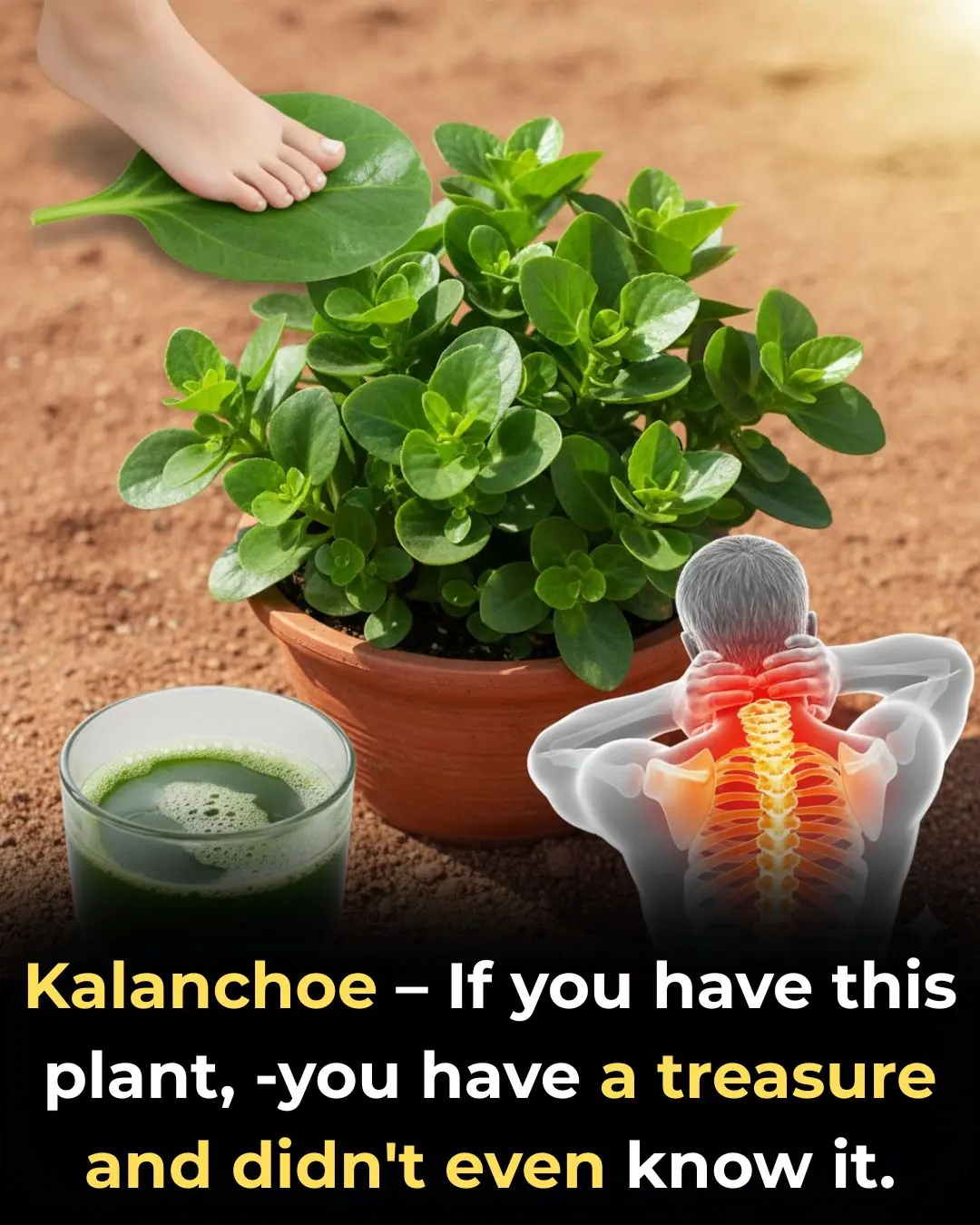
Many people see purslane as nothing more than an annoying garden weed, pulling it up and tossing it aside without hesitation. Ironically, this humble plant is often overlooked despite being packed with impressive nutrients that could easily enhance everyday meals. It’s surprising—and a bit frustrating—how something so abundant and beneficial can remain hidden in plain sight. The good news? Adding purslane to your routine may be one of the simplest, most natural ways to improve overall nutrition, and it even offers a few unexpected culinary uses that make it more versatile than you might expect.
Purslane (Portulaca oleracea) is a succulent, leafy green that thrives in a wide range of climates. Although commonly dismissed as a weed, it has been valued as a food and medicinal plant in many cultures for centuries, from the Mediterranean to parts of Asia and the Middle East.
What truly sets purslane apart is its unusual and powerful nutrient profile. Scientific research highlights purslane as one of the richest plant-based sources of alpha-linolenic acid (ALA), a form of omega-3 fatty acid most commonly associated with fatty fish.
Studies indicate that just 100 grams of fresh purslane leaves can deliver approximately 300–400 mg of ALA, along with substantial amounts of antioxidants and essential vitamins such as vitamin E (alpha-tocopherol), vitamin C, beta-carotene, and glutathione. These compounds play key roles in protecting cells from oxidative stress.
In addition to healthy fats and antioxidants, purslane provides important minerals including magnesium, calcium, potassium, and iron, all of which contribute to muscle function, bone strength, and overall metabolic balance. This rare combination of nutrients makes purslane a standout option for those seeking more nourishment from plant-based foods.
Below are ten research-supported reasons purslane deserves a place in your meals. While studies suggest these benefits, individual results may vary.
1. Excellent Plant-Based Source of Omega-3s
Purslane delivers high levels of ALA omega-3 fatty acids, making it one of the top vegetable sources available. This is especially valuable for people following vegetarian or plant-forward diets.
2. Rich in Essential Vitamins and Minerals
It contains vitamins A (from beta-carotene), C, and E, along with minerals such as magnesium, calcium, potassium, and iron—providing dense nutrition in a small serving.
3. Powerful Antioxidant Properties
Compounds like vitamin C, beta-carotene, and glutathione help neutralize free radicals. Research suggests these antioxidants support overall cellular health and resilience.
4. Supports Cardiovascular Wellness
The combination of omega-3 fatty acids and potassium may help maintain healthy blood pressure and cholesterol levels, according to nutritional studies.
5. Natural Anti-Inflammatory Potential
Laboratory and animal studies indicate that purslane’s omega-3s and bioactive compounds may help reduce inflammation in the body.
6. May Support Blood Sugar Balance
Some research suggests purslane may assist with maintaining healthy blood sugar levels and insulin sensitivity, partly due to its fiber and antioxidant content.
7. Promotes Skin Health and Vitality
Vitamins A and C contribute to collagen production and skin repair, while antioxidants may help protect against environmental damage.
8. Aids Digestive Comfort
Purslane contains natural mucilage, a type of soluble fiber that can help soothe the digestive tract and promote regular bowel movements.
9. Supports Immune Function
Its high vitamin C content plays an important role in supporting the immune system and the body’s natural defense mechanisms.
10. Highly Versatile in the Kitchen
With a mild, slightly tangy, lemon-like flavor, purslane works well raw in salads, blended into smoothies, lightly stir-fried, or added to soups and stews—making it easy to enjoy its benefits in many forms.
| Nutrient | Amount | Notes |
|---|---|---|
| Omega-3 (ALA) | 300–400 mg | Among the highest in leafy greens |
| Vitamin A (from carotene) | Up to 44% RDA | Supports vision and immunity |
| Vitamin C | 20–30 mg | Antioxidant support |
| Vitamin E | ~12 mg | Cellular protection |
| Potassium | 400–500 mg | Heart and muscle health |
Incorporating purslane into your meals is simple and rewarding. Start with small amounts to get familiar with its fresh, crisp texture.
Fresh in Salads: Combine raw leaves and tender stems with tomatoes, cucumbers, olive oil, and lemon juice for a refreshing crunch.
Blended into Smoothies: Add a small handful to fruit smoothies for an extra nutritional boost without altering the flavor much.
Quick Stir-Fry: Lightly sauté purslane with garlic, onions, or other vegetables for a simple, nutrient-rich side dish.
In Soups or Stews: Add near the end of cooking to naturally thicken the dish while boosting its vegetable content.
Sandwich or Wrap Topping: Use purslane as a crisp, tangy layer in wraps or sandwiches.
Tip: Choose young plants for the best tenderness and flavor. Wash thoroughly and trim thicker stems if necessary.
Despite its modest appearance, purslane offers an impressive range of nutrients and culinary flexibility, making it easy to elevate everyday eating habits. The next time you notice purslane growing nearby, consider giving it a second look—it might just become a surprising new favorite on your plate.
Is purslane safe to eat raw?
Yes. Tender leaves and stems are commonly eaten raw in salads. Always wash thoroughly and harvest from clean, chemical-free areas.
Where can I find purslane?
Purslane grows wild in many gardens and fields and is often available at farmers’ markets or specialty produce stores during the summer months.
Are there any precautions?
Like spinach, purslane contains natural oxalates. Those prone to kidney stones should consume it in moderation and consult a healthcare professional if unsure.
Disclaimer: This article is for informational purposes only and does not constitute medical advice. While purslane offers nutritional benefits supported by research, it is not intended to diagnose, treat, cure, or prevent any disease. Always consult a qualified healthcare professional before making significant dietary changes, especially if you have existing health conditions or take medications.