Simple Tips to Store Ginger Without a Refrigerator: Keep It Fresh for a Year Without Sprouting or Spoiling
Health 09/01/2026 10:41
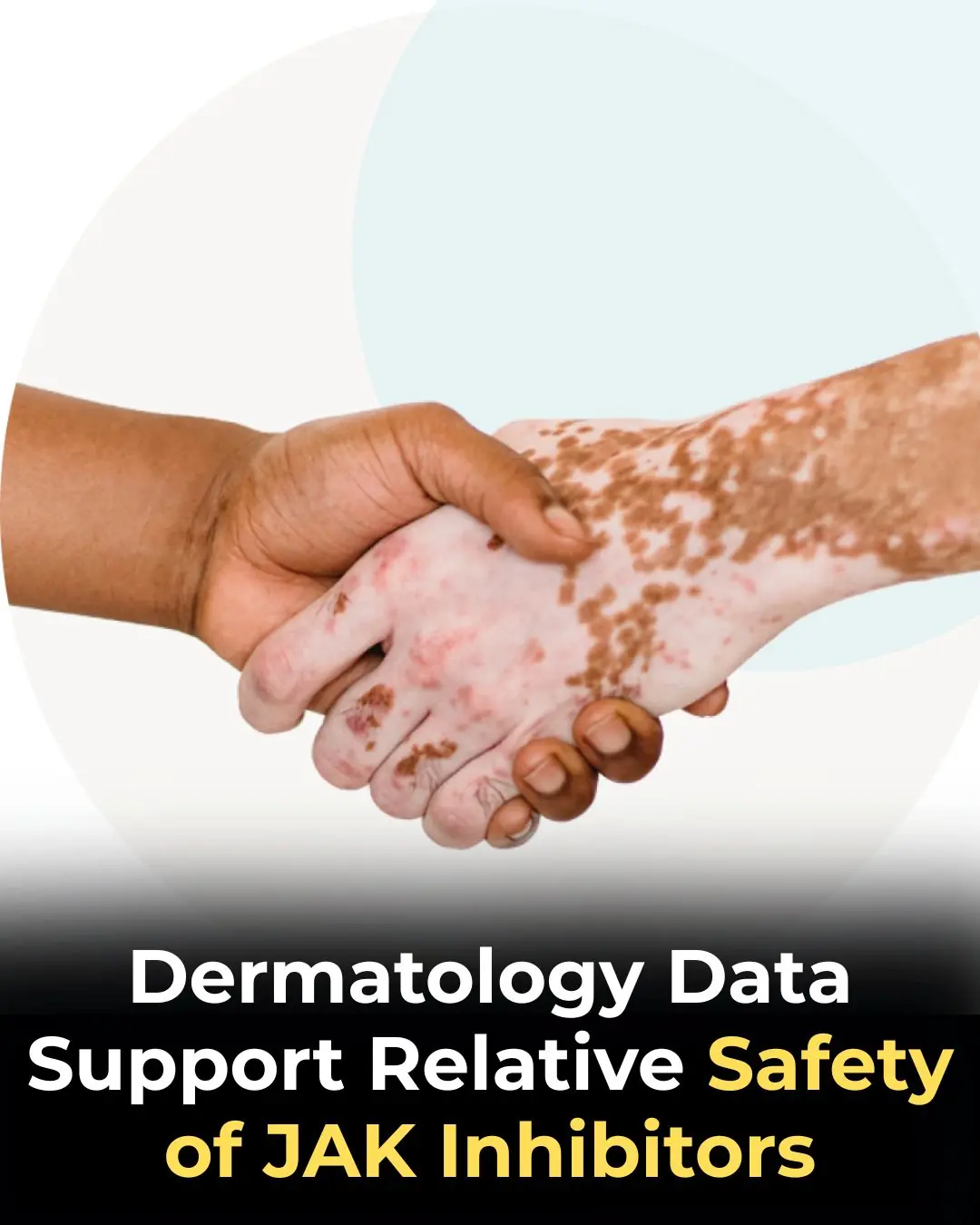
Janus kinase (JAK) inhibitors are rapidly reshaping the landscape of dermatologic therapy. Once viewed primarily through the lens of rheumatology and hematology, these targeted immunomodulatory drugs are now emerging as some of the most versatile treatments in modern dermatology. With potential upcoming approvals for conditions such as hidradenitis suppurativa (HS) and vitiligo, attention is increasingly shifting toward a crucial question: How safe are JAK inhibitors when used for skin diseases?
JAK inhibitors work by blocking intracellular signaling pathways involved in inflammation and immune dysregulation. This mechanism makes them particularly well suited for chronic inflammatory and autoimmune skin disorders, many of which lack effective long-term treatment options.
Over the past decade, JAK inhibitors have demonstrated strong efficacy in conditions such as:
Atopic dermatitis
Alopecia areata
Psoriasis (in selected cases)
Now, late-stage clinical trials and regulatory reviews suggest that hidradenitis suppurativa and vitiligo may soon join this list, further expanding the dermatologic indications for these agents.
Much of the controversy surrounding JAK inhibitors stems from safety warnings issued in non-dermatologic populations, particularly older patients with rheumatoid arthritis who had multiple cardiovascular risk factors. These studies raised concerns about increased risks of:
Serious infections
Malignancy
Cardiovascular events
Venous thromboembolism
However, dermatology experts emphasize that patients with skin diseases represent a very different population. They are often younger, have fewer comorbidities, and receive different dosing regimens—factors that significantly influence risk profiles.
Accumulating evidence from dermatology trials and real-world studies suggests that JAK inhibitors are relatively safe when used appropriately in skin disease populations. Key observations include:
Lower absolute rates of serious adverse events compared with rheumatology cohorts
Predictable and manageable laboratory abnormalities
Infections that are generally mild and treatable
No clear signal of increased malignancy risk in dermatology trials to date
Importantly, dermatologic use often involves shorter treatment durations or intermittent dosing, which may further reduce long-term risk.
Both HS and vitiligo are conditions with profound physical and psychological burdens. HS causes painful nodules, abscesses, and scarring, while vitiligo can significantly impact quality of life due to visible pigment loss.
Existing therapies for these diseases are limited, inconsistent, or poorly tolerated. The potential approval of JAK inhibitors represents not only a therapeutic breakthrough but also a shift toward precision immunomodulation in dermatology.
Experts caution that long-term surveillance remains essential. Ongoing post-marketing studies and patient registries will play a critical role in defining the true safety profile of JAK inhibitors across diverse dermatologic populations.
Nevertheless, the growing body of evidence supports a more nuanced understanding: the safety of JAK inhibitors cannot be generalized across all diseases and patient groups. In dermatology, the balance between benefit and risk appears increasingly favorable when these drugs are used thoughtfully and selectively.
As JAK inhibitors move closer to approval for hidradenitis suppurativa and vitiligo, they are solidifying their place as cornerstone therapies in dermatology. Far from being defined solely by earlier safety concerns, these agents may tell a different story in skin disease—one marked by effectiveness, tolerability, and careful clinical stewardship.
In dermatology, JAK inhibitors are no longer just promising. They are becoming transformational.