Don't put lemons in the refrigerator right away after buying them. Using this method, they'll stay fresh for a whole year without becoming bitter or spoiled.

Lemon is a familiar kitchen ingredient that almost every household recognizes and uses regularly. It plays a versatile role in daily cooking — from enhancing dipping sauces and fresh salads to seasoning savory dishes and mixing refreshing drinks. Because of its frequent use, most people tend to buy lemons in bulk and store them in the refrigerator for gradual use.
While refrigerating lemons is not wrong, it doesn’t fully prevent them from drying out, shriveling, or even spoiling over time. Moisture loss and mold can still occur, especially if lemons are stored improperly or for extended periods. To keep lemons fresh longer and ensure you always have them on hand when needed, you can try the simple and effective preservation methods below.
Storing Lemons in Sand

First, select fresh, firm lemons that feel heavy for their size and are rich in juice. Wash them thoroughly, then allow them to dry completely to remove all surface moisture.
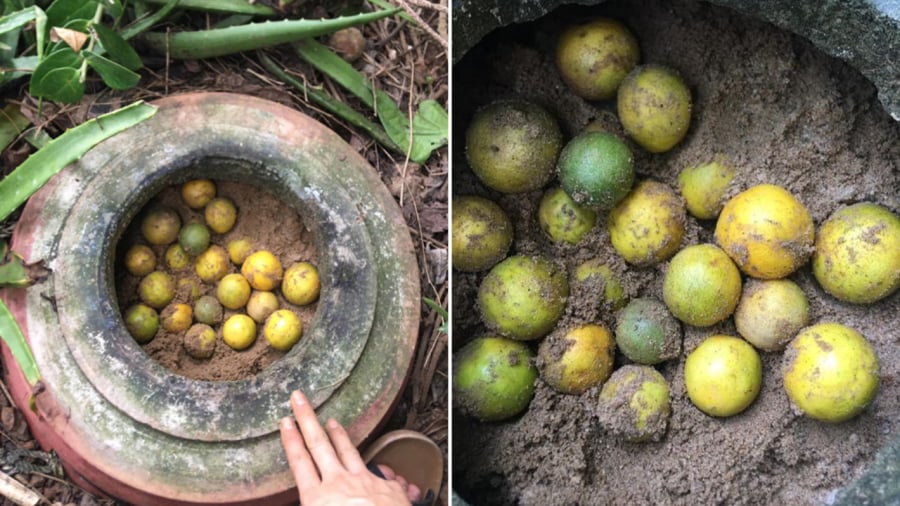
Prepare a clean jar, clay pot, or container along with clean sand. The sand should be free of soil, debris, stones, or organic matter. Lightly spray the sand with water so it is slightly moist, not wet.
Spread a layer of sand at the bottom of the container, then arrange a layer of lemons on top. Continue alternating between layers of lemons and sand until all the lemons are used. Make sure the final layer is sand, completely covering the fruit.
Place the container in a cool, well-ventilated area away from direct sunlight. Stored this way, lemons can remain fresh for up to two months. When needed, simply take out a lemon and rinse it thoroughly before use. This traditional method has been used for generations to preserve not only lemons but also pomelos, oranges, mandarins, and other citrus fruits.
Freezing Lemons for Long-Term Use
Choose lemons with thin skins that feel heavy and are free from bruises or damage. Wash them well, then soak them briefly in salt water to help remove surface impurities.
Remove the lemons from the salt water, rinse again with clean water, and allow them to dry completely in a colander or basket.
For large lemons, you can simply cut them in half without removing the peel. For smaller lemons with thicker skins, it’s best to peel off part of the green outer layer before cutting. Kumquat lemons or pink lemons usually don’t require peeling, as their skins are naturally thin and soft.
Once cut, extract the juice using a citrus press or juicer to get the maximum amount of juice. If those tools aren’t available, hand-squeezing works just fine.
A helpful tip is to place a small piece of tissue paper over the lemon peel while squeezing. This absorbs the essential oils released from the peel, preventing the juice from becoming bitter. Be sure to use the smallest piece possible so it doesn’t soak up the juice. Replace the tissue when it becomes damp. Alternatively, you can peel the lemons completely, remove the seeds, and use a slow juicer to extract the juice.
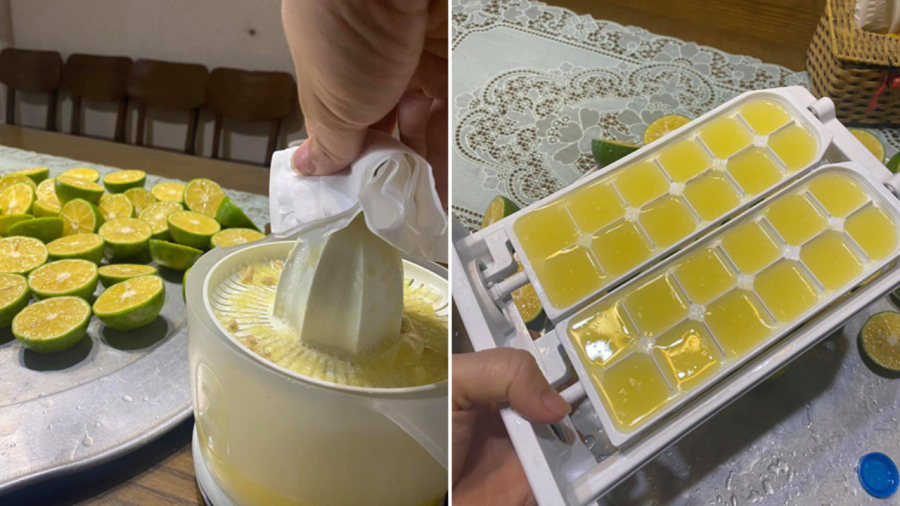
After juicing all the lemons, pour the juice into ice cube trays and place them in the freezer. Once frozen solid, remove the lemon juice cubes and transfer them to an airtight container before returning them to the freezer. This method allows you to conveniently use one or two cubes whenever needed. Simply let them thaw for a few minutes, and the juice will be ready to use.
Stored this way, lemon juice can last for months and even be used year-round, while still retaining its fresh aroma and bright flavor.
News in the same category


Throwing away coffee grounds is like throwing money away, but there are uses for coffee grounds that every household needs

This anti-slip method helps you travel thousands of miles without needing medication

5 mistakes when drinking coffee that harm your health: Especially the second one, you should stop immediately before it's too late

Place your two index fingers together to guess if you have lung cancer: A quick test used by doctors

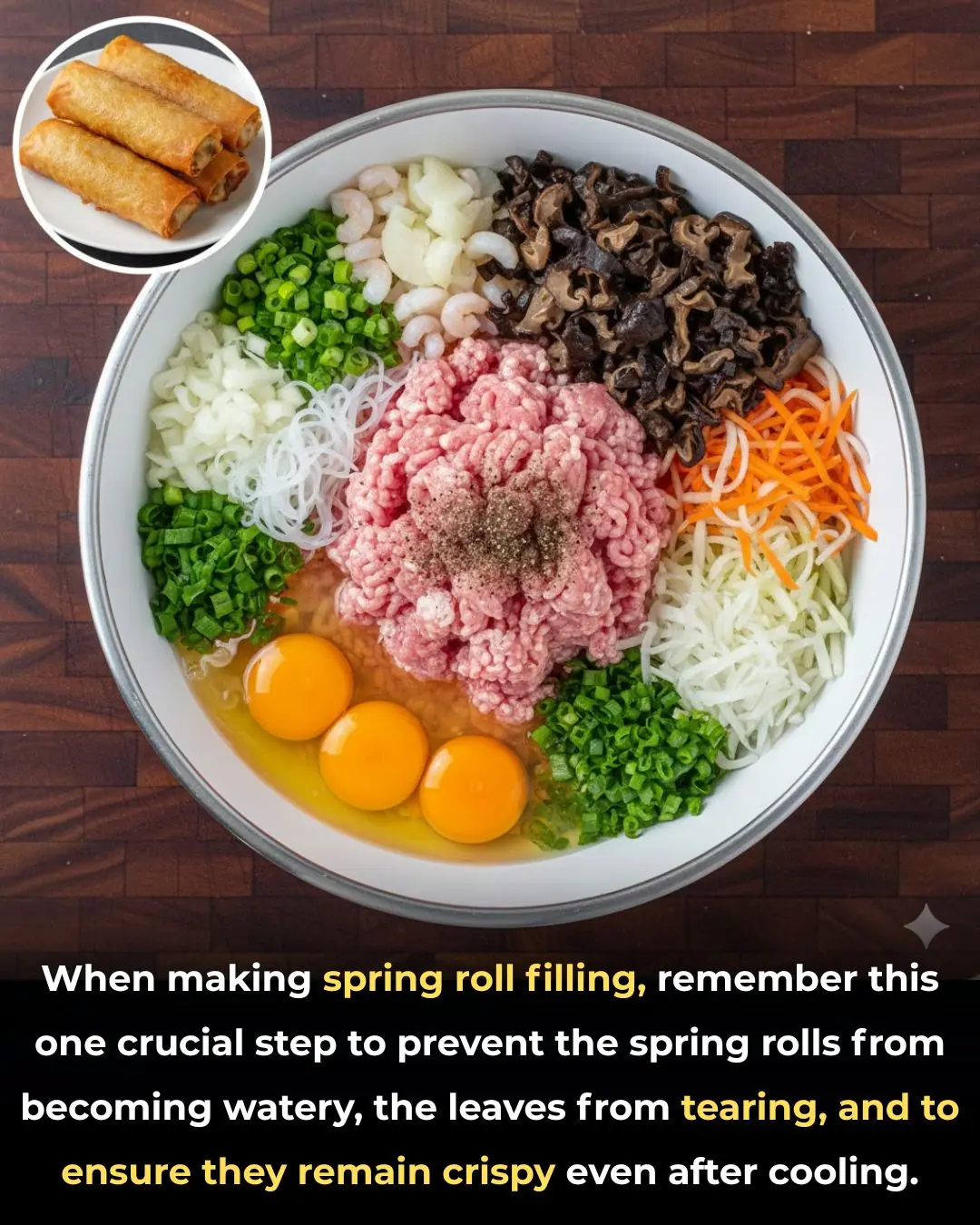
When making spring roll filling, remember this one crucial step to prevent the spring rolls from becoming watery, the leaves from tearing, and to ensure they remain crispy even after cooling.

After years of cooking meat, I've only just learned that if you want the meat to be tender, fall apart, and have a beautiful reddish-brown color, you absolutely must remember this!

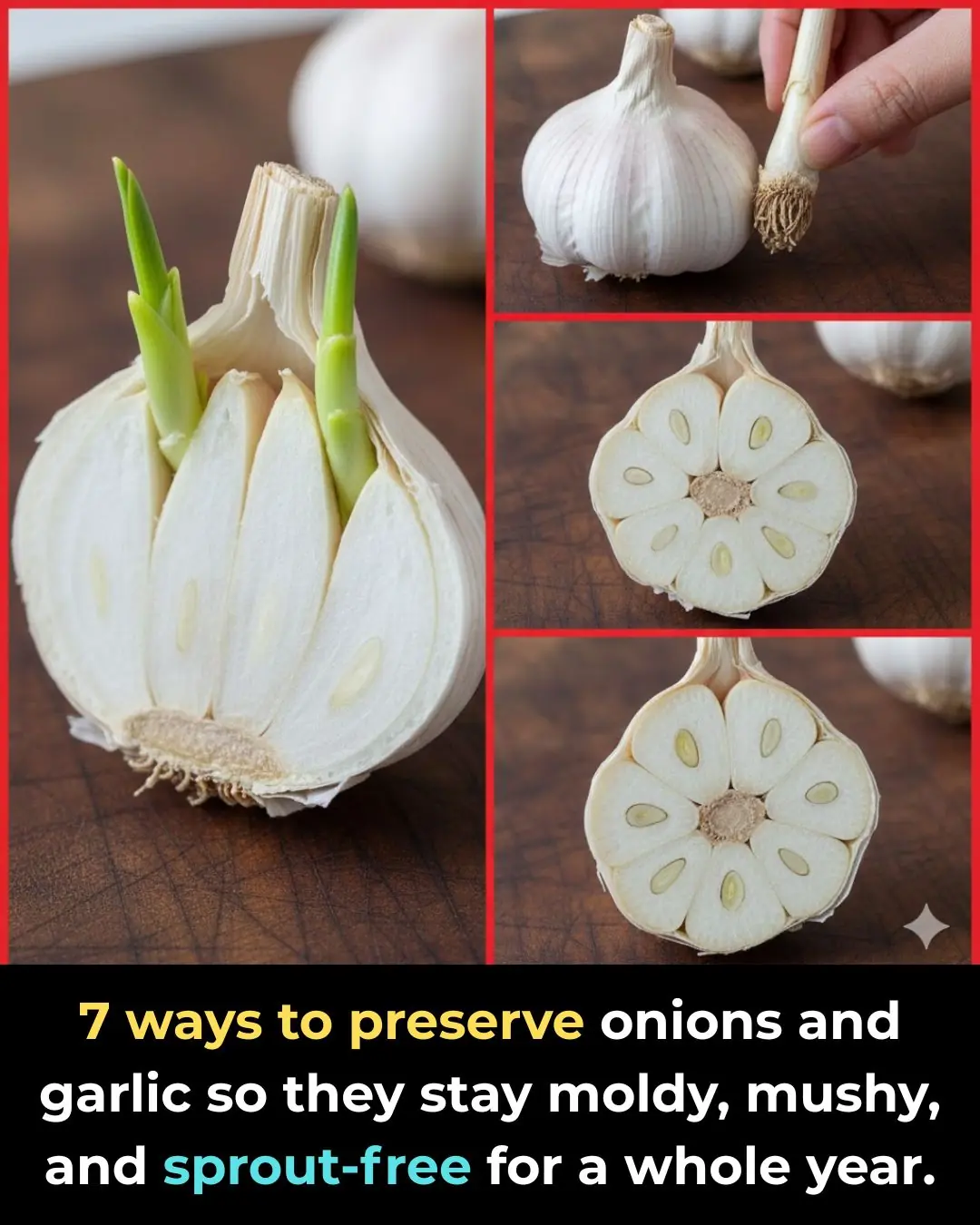
7 ways to preserve onions and garlic so they stay moldy, mushy, and sprout-free for a whole year.

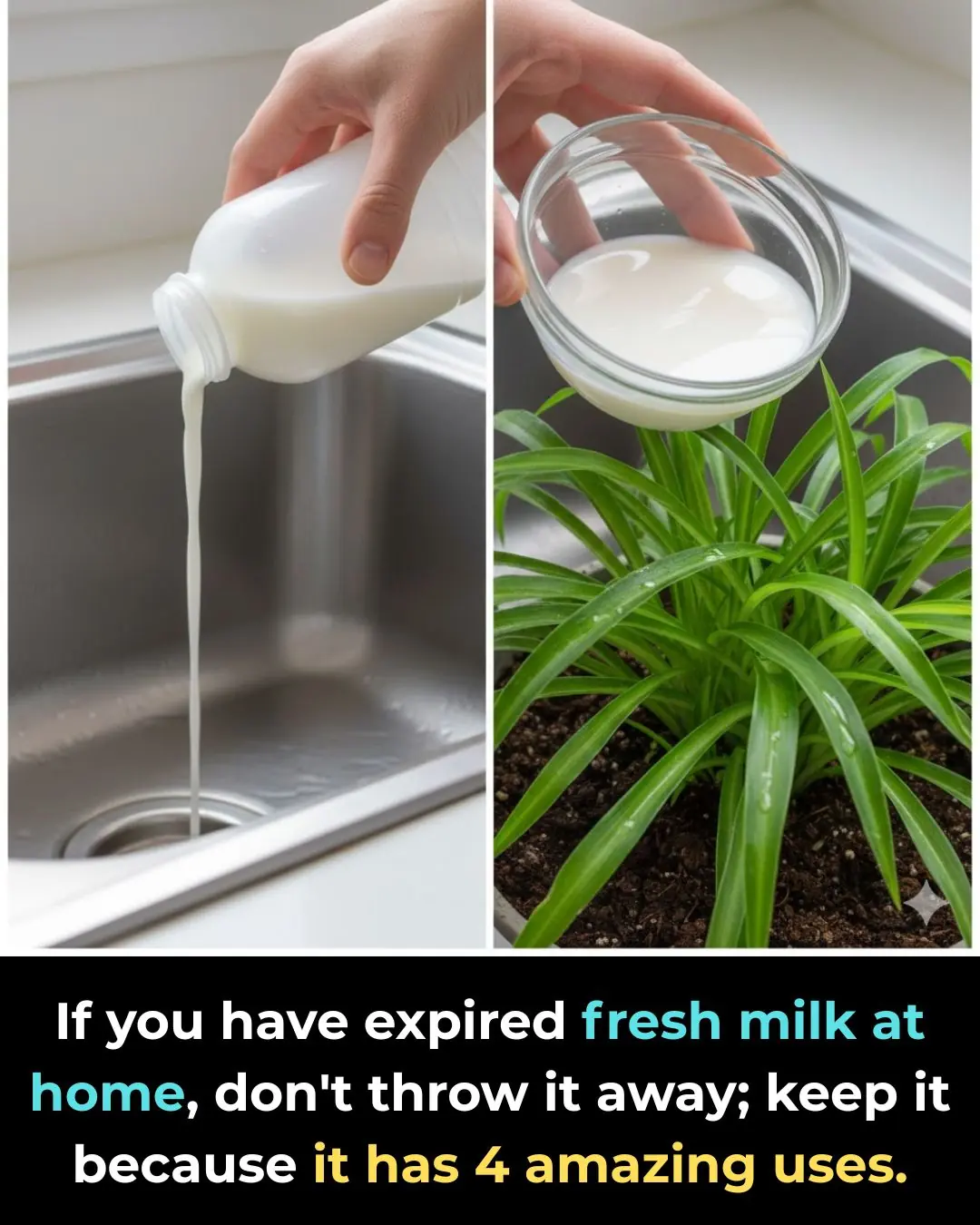
If you have expired fresh milk at home, don't throw it away; keep it because it has 4 amazing uses.

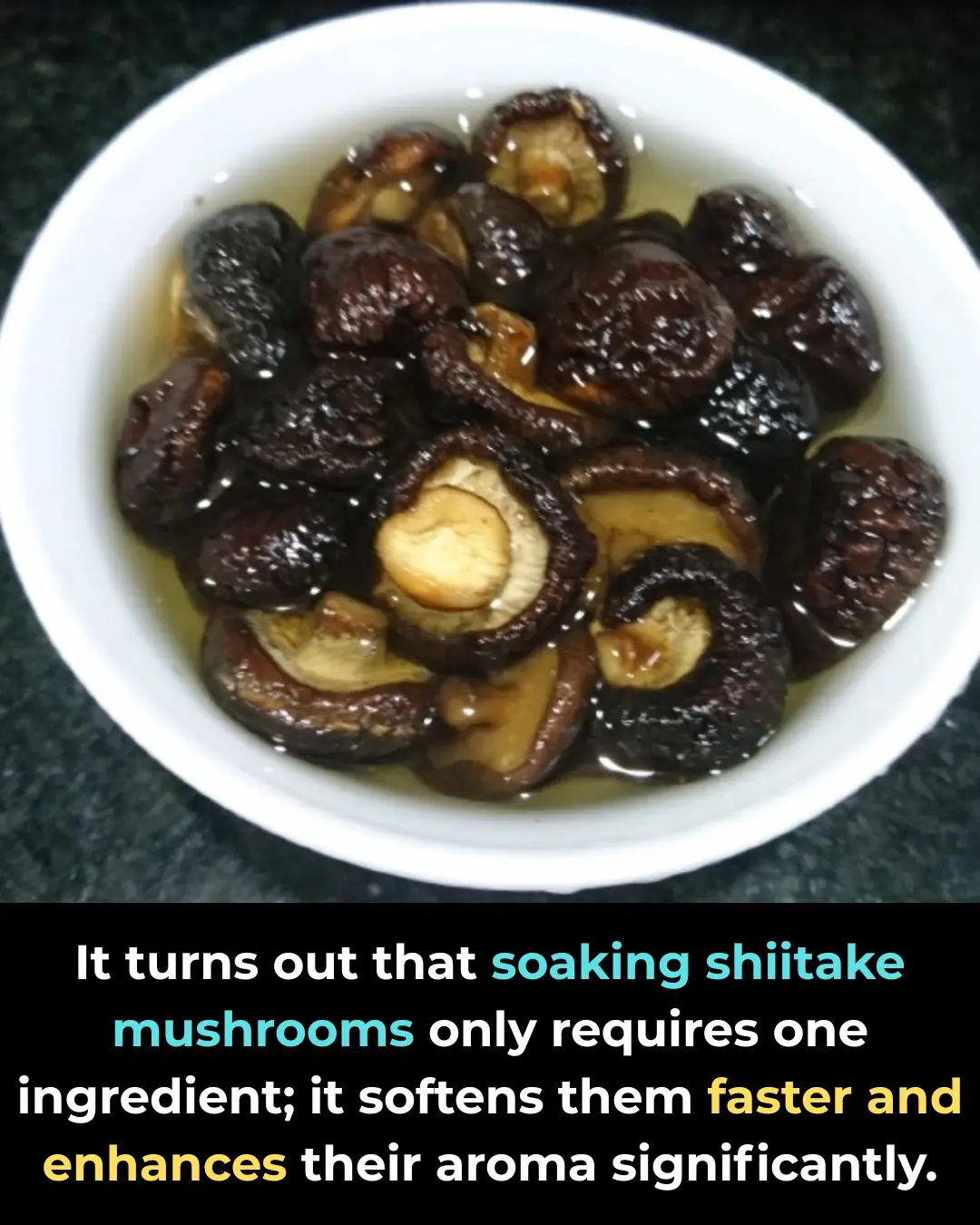
It turns out that soaking shiitake mushrooms only requires one ingredient; it softens them faster and enhances their aroma significantly.

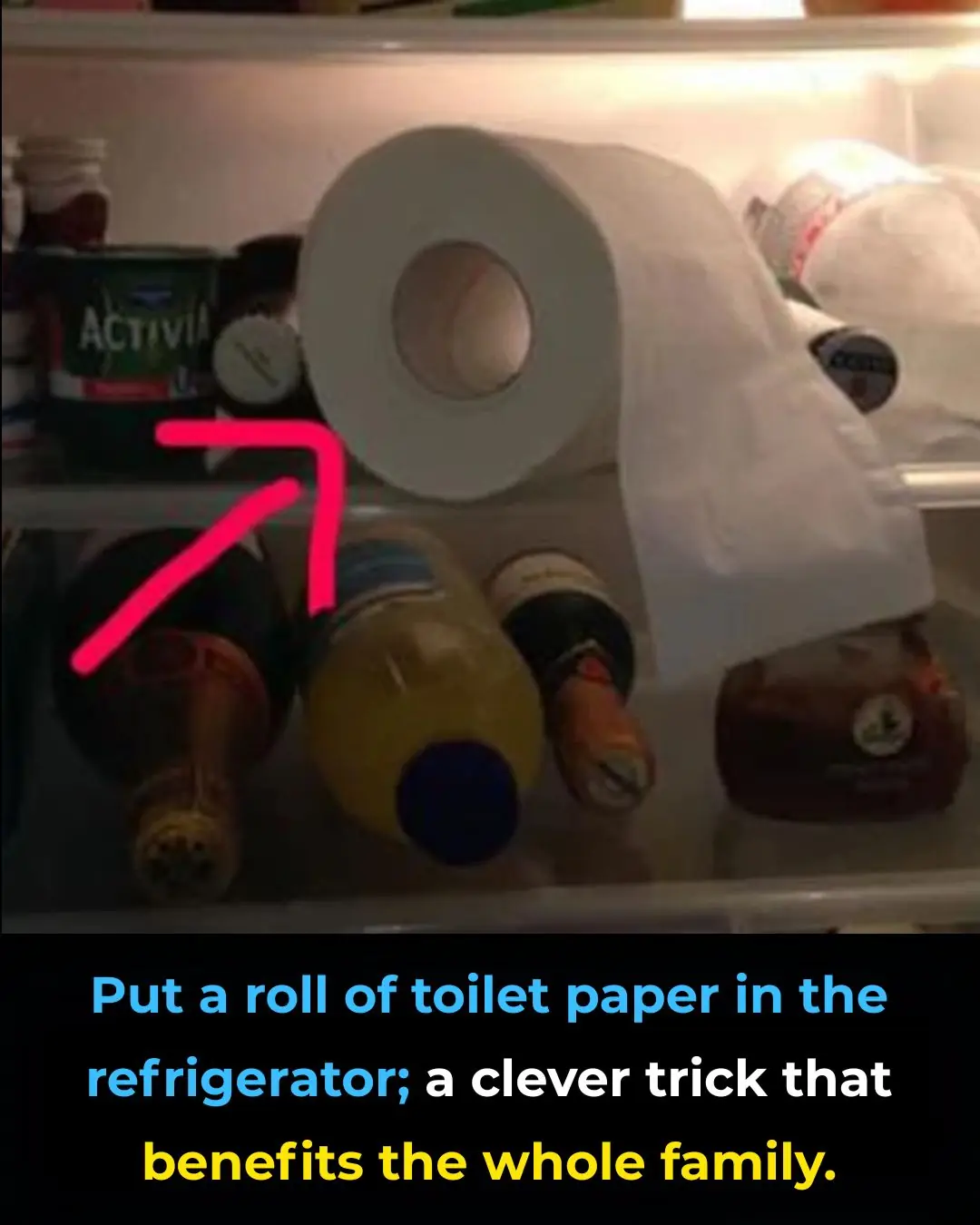
Put a Roll of Toilet Paper in the Refrigerator: A Simple Household Trick With Big Benefits

With just one toothpick, you can save hundreds of thousands of dong on gas bills every month.

If you buy clams and don't eat them all in time, remember to do this to keep them fresh longer, prevent them from shrinking, and keep them plump and sweet like when you first bought them.

When stir-frying bean sprouts, don't add them directly to the pan; this will make them delicious, crispy, and free from any fishy taste or excessive water.

Does This Household Trick Really Keep Flies, Mosquitoes, and Cockroaches Away? What You Should Know

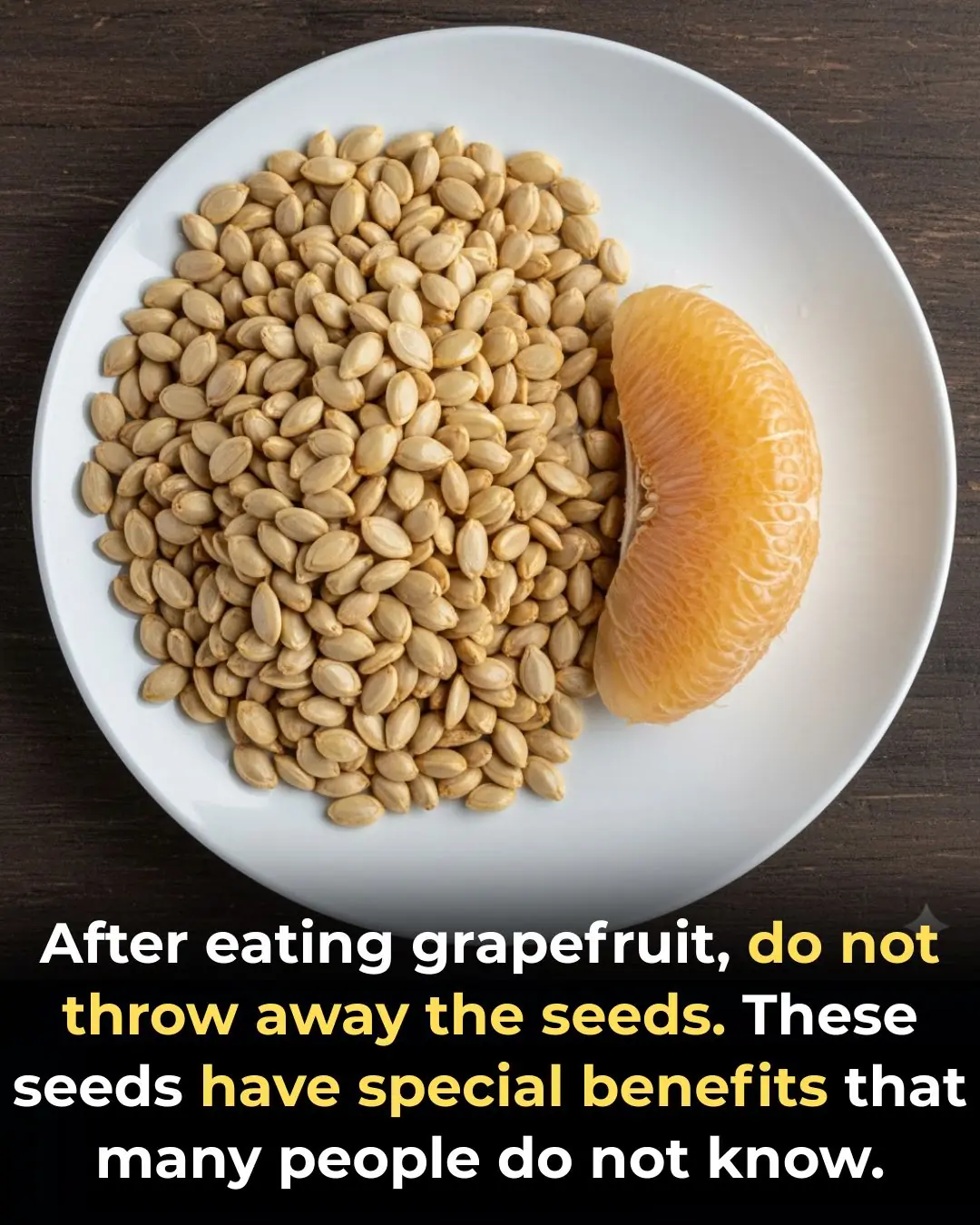
Don’t Throw Away Grapefruit Seeds: Little-Known Benefits You Might Be Missing

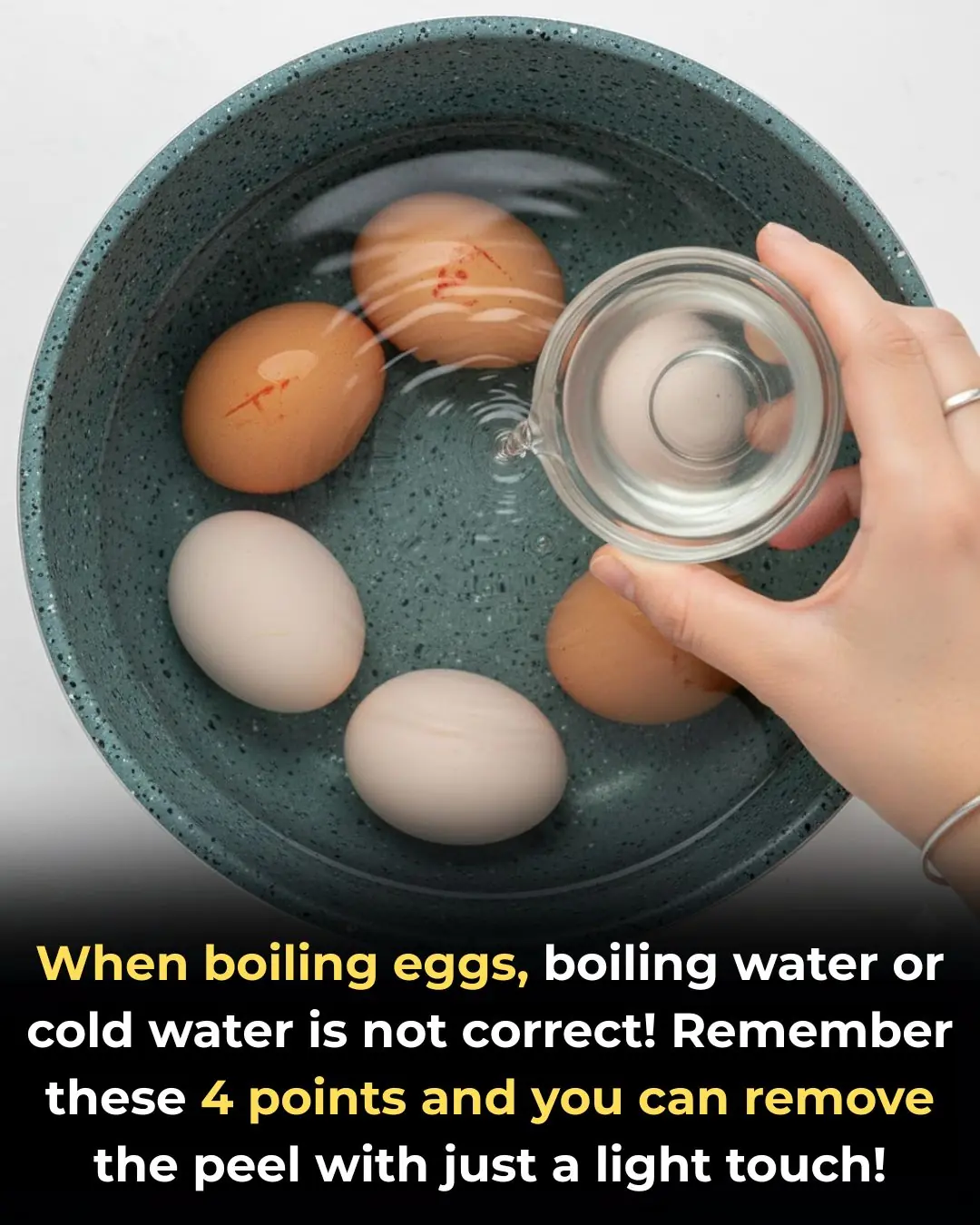
The Right Way to Boil Eggs: Forget Hot or Cold Water—Remember These 4 Key Tips for Easy Peeling

Why You Should Avoid Pouring Hot Water Down the Sink: A Common Mistake Many People Don’t Realize
News Post

Can Aloe Vera Offer Natural Relief for Red, Dry, and Irritated Eyes?

7 benefits of guava leaf tea

5 Health Benefits and Uses of Dandelion

Can Garlic and Lemon Really Support Better Vision? Kitchen Staples Your Eyes Might Appreciate

8 Natural Drinks That May Help Support Kidney Health and Reduce Stone Risk

5 Silent Warning Signs Your Kidneys Are Quietly Failing (Before It’s Too Late)

Throwing Away Coffee Grounds Is Like Throwing Away Money: Everyday Uses Every Household Should Know

Don’t Put Ripe Bananas Straight in the Fridge: Do This Extra Step to Keep Them Firm and Bright for a Month

7 Everyday Foods That Become a “Savior” for Your Stomach When Eaten at Breakfast

Pouring hot water over the apple will reveal the chemicals clearly; this is the best way to check for "poisoned apples"

Doctors Warn: Unhealthy Eating Habits That Fuel Liver Cancer in Young People

Throwing away coffee grounds is like throwing money away, but there are uses for coffee grounds that every household needs

This anti-slip method helps you travel thousands of miles without needing medication

5 mistakes when drinking coffee that harm your health: Especially the second one, you should stop immediately before it's too late

Place your two index fingers together to guess if you have lung cancer: A quick test used by doctors

When making spring roll filling, remember this one crucial step to prevent the spring rolls from becoming watery, the leaves from tearing, and to ensure they remain crispy even after cooling.

After years of cooking meat, I've only just learned that if you want the meat to be tender, fall apart, and have a beautiful reddish-brown color, you absolutely must remember this!

7 ways to preserve onions and garlic so they stay moldy, mushy, and sprout-free for a whole year.

If you have expired fresh milk at home, don't throw it away; keep it because it has 4 amazing uses.