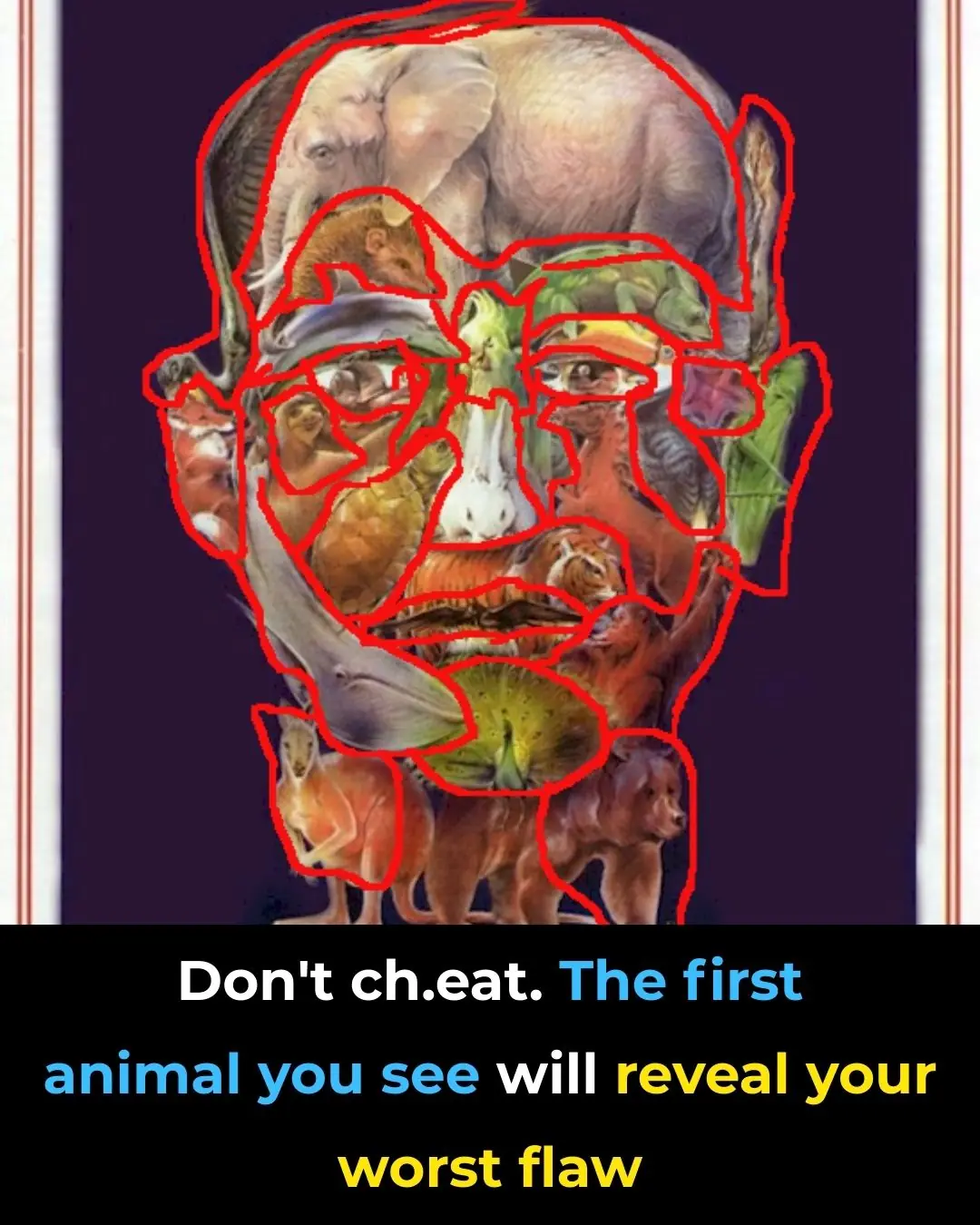
What the First Animal You See Reveals About Your Hidden Flaw
Facts 28/02/2026 15:49
Dreaming of a deceased person is one of the most emotionally powerful experiences the human mind can produce.
Many people wake up feeling shaken, comforted, confused, or even frightened after seeing someone in their dream who has already passed away.
These dreams often feel unusually vivid and realistic.
You may remember their voice clearly, feel their presence strongly, or even believe for a moment that they were truly there.
But what does it actually mean when you dream about someone who has died?
The meaning of such dreams can vary depending on your emotional state, your relationship with the deceased, and what is happening in your life at the time. However, psychologists generally agree that dreaming of a deceased person is closely connected to memory, grief, emotional processing, and unresolved feelings.

One of the most common explanations is grief processing.
Even years after someone dies, your brain continues to process the loss.
Grief is not a linear experience. It comes in waves, sometimes triggered by anniversaries, life changes, stress, or even subtle reminders.
When you dream of a deceased loved one, your subconscious mind may be revisiting memories connected to them.
During sleep—especially during REM (Rapid Eye Movement) sleep—your brain actively organizes emotions and experiences.
If the loss was significant, your brain may still be working through it.
Another common reason is unresolved emotions.
Perhaps there were things left unsaid. Maybe you regret something, feel guilt, or wish you had more time.
Dreams provide a safe mental space where the mind can simulate conversations or scenarios that never happened in real life.
For example, dreaming that you finally speak openly to the deceased person may symbolize your desire for closure.
The dream does not necessarily mean the person is communicating from beyond—it often reflects your own emotional needs.
Sometimes dreaming of someone who has passed away symbolizes qualities they represented.
For example, if you dream about a deceased grandmother who was loving and protective, the dream may appear during a time when you feel vulnerable or need comfort.
Your mind may use her image as a symbol of safety.
Similarly, dreaming of a strict or critical person who has died might occur when you are judging yourself harshly or feeling pressure in your waking life.

There is also the concept of memory reactivation.
The brain stores emotional memories deeply.
When something in your current life resembles the past—perhaps a smell, a song, or a life situation—your mind may reconnect to that person.
Dreams are not random; they often reflect associations.
For instance, if you are experiencing a major life transition such as marriage, parenthood, retirement, or career change, your brain may “bring back” important figures from your past because they were part of earlier life stages.
Another possibility is stress and emotional overload.
During stressful times, the brain sometimes revisits foundational relationships.
Deceased parents or close relatives often appear in dreams during periods of uncertainty because they were once sources of guidance.
Even if they are gone, your mind may recreate them as a symbolic support system.
Some dreams of deceased people are peaceful and comforting.
The person may appear healthy, smiling, and calm.
These types of dreams are often described as healing dreams. Psychologically, they can signal acceptance.
Your mind may be integrating the loss into your life story in a healthy way.
The calm version of the person may represent your internal peace about their passing.
On the other hand, some dreams are disturbing.
You might see the person sick again, silent, or distant.
These dreams may reflect lingering trauma from witnessing illness or sudden loss.
The brain sometimes replays painful memories as part of long-term emotional processing.

In many cultures, dreaming of the deceased carries spiritual interpretations.
Some believe it is a visitation or a message.
While spiritual beliefs vary widely, psychology suggests that whether you interpret the dream spiritually or symbolically often depends on your personal belief system.
The meaning you assign to the dream can influence how you feel afterward.
If you believe it was a comforting sign, you may wake up feeling peaceful.
If you believe it signals danger, you may wake up anxious.
It is important to note that dreaming of a deceased person does not usually predict anything about the future.
Dreams are primarily reflections of your internal state rather than external events.
They are shaped by memory, emotion, imagination, and subconscious thought patterns.
Another factor to consider is emotional anniversaries.
Sometimes you may not consciously remember a death anniversary or special date, but your subconscious does.
The body and brain store time patterns.
Around certain dates, dreams about the deceased may become more frequent.
If the dreams are repetitive and distressing, especially if they involve traumatic memories, it may help to talk to a therapist.
Persistent nightmares can sometimes be related to unresolved trauma or complicated grief.
However, in many cases, dreaming of someone who has died is simply a sign that they remain meaningful to you.
Our brains do not erase important relationships when someone passes away. Instead, those relationships become internalized.
The person becomes part of your psychological landscape.
Seeing them in dreams can be a reminder that love and attachment do not disappear, even if physical presence does.
In summary, dreaming of a deceased person can mean many things: ongoing grief processing, unresolved emotions, a need for comfort, symbolic representation of qualities they embodied, stress response, or memory reactivation.
These dreams are usually not supernatural predictions but natural psychological experiences.
They reflect the deep impact that person had on your life.
Rather than fearing such dreams, it may help to ask yourself: What was happening in my life when this dream occurred? What emotions did I feel during the dream? What did this person represent to me?
The answers often reveal that the dream is less about the past—and more about your present emotional world.