Why Seniors Should Keep Their Socks On at Home
Health 28/07/2026 20:37

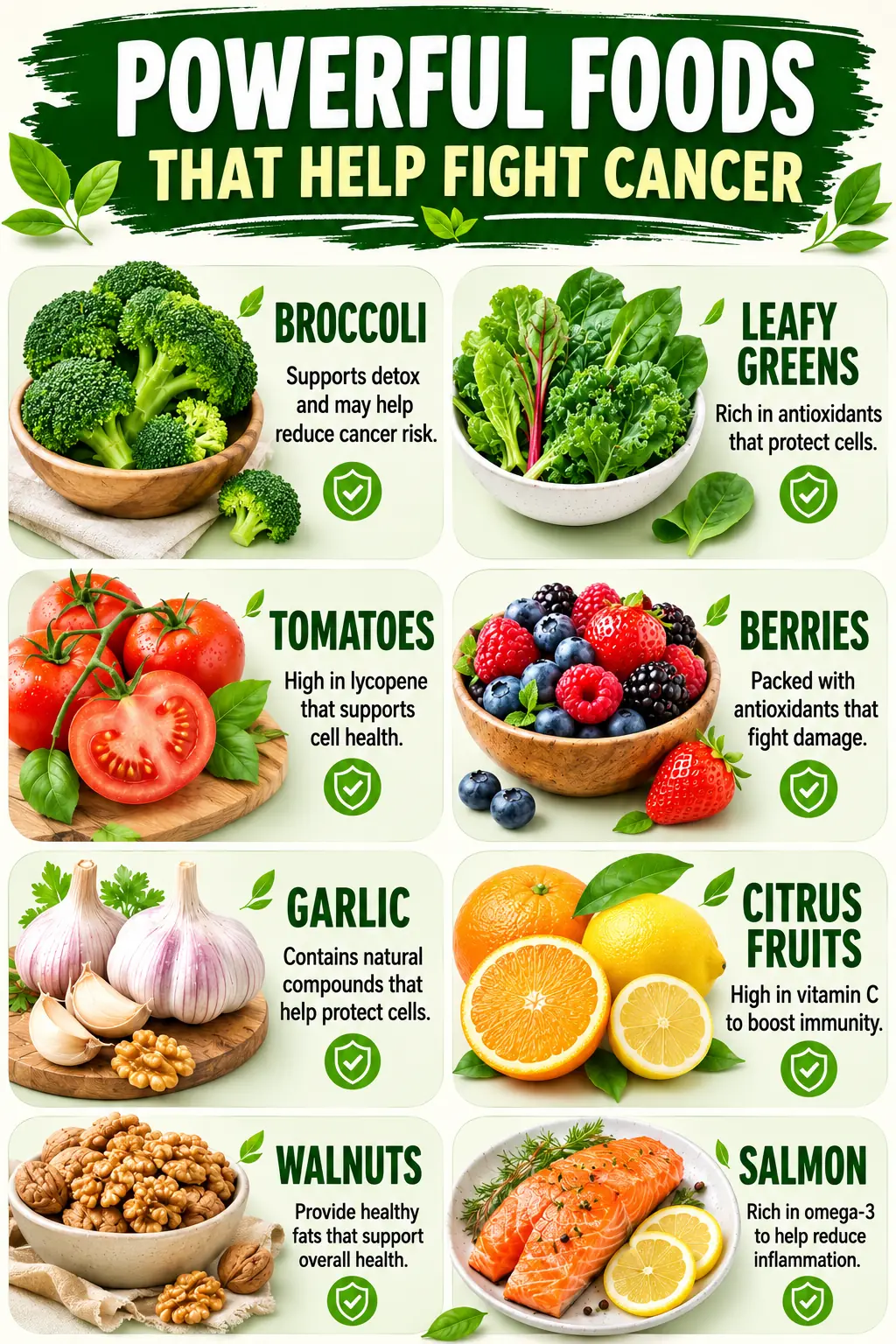
A healthy lifestyle plays an important role in reducing the risk of many chronic diseases, including cancer. Although there is no food that can completely prevent cancer, eating a variety of nutrient-rich foods can support your immune system, reduce inflammation, and protect your cells from everyday damage. The key is focusing on an overall healthy eating pattern rather than relying on any single "miracle food."
Vegetables should be the foundation of a healthy diet. They are naturally low in calories while providing vitamins, minerals, antioxidants, and dietary fiber.
Dark leafy greens such as spinach, kale, and romaine lettuce supply nutrients that help maintain normal cell function. Cruciferous vegetables—including broccoli, cauliflower, Brussels sprouts, cabbage, and bok choy—are also excellent choices because they contain natural plant compounds that have been widely studied for their potential health-supporting properties.
The more variety of colors you include on your plate, the wider range of nutrients you receive.
Fresh fruit offers natural sweetness along with important vitamins and antioxidants. Berries, apples, oranges, grapes, kiwi, and pomegranates all contribute beneficial plant compounds that help protect the body from oxidative stress.
Whenever possible, choose whole fruit instead of fruit juice to benefit from its natural fiber.
Whole grains retain more nutrients than refined grains and provide a steady source of energy throughout the day.
Healthy options include:
Their fiber content also supports digestive health and promotes a healthy gut microbiome.
Beans, lentils, peas, and chickpeas are excellent sources of protein while also supplying fiber, vitamins, and minerals.
Including legumes in soups, salads, curries, or grain bowls is an easy way to reduce reliance on processed or high-fat meats while adding valuable nutrition to your meals.
Healthy fats are essential for many body functions.
Foods rich in beneficial fats include:
Fatty fish such as salmon, sardines, tuna, and mackerel also provide omega-3 fatty acids, which support heart health and overall wellness.
Instead of relying on excess salt or processed seasonings, use herbs and spices to enhance flavor naturally.
Garlic, onions, ginger, turmeric, cinnamon, rosemary, basil, oregano, and black pepper all contain naturally occurring compounds that contribute antioxidants to the diet.
Using fresh herbs and spices regularly can make healthy meals both delicious and nutritious.
The digestive system plays an important role in overall health.
Fermented foods such as yogurt with live cultures, kefir, kimchi, sauerkraut, and miso provide beneficial bacteria that help maintain a balanced gut microbiome.
Pairing fermented foods with fiber-rich vegetables and whole grains creates an environment that supports digestive health.
Hydration is essential for every organ in the body.
Water should be your primary beverage, while unsweetened green tea and herbal teas can provide additional antioxidants without added sugar. Limiting sugary drinks and excessive alcohol consumption is another positive step toward a healthier lifestyle.
Healthy eating is not only about adding nutritious foods but also about reducing foods that contribute little nutritional value.
Try to limit:
Choosing minimally processed foods more often can improve overall diet quality.
Nutrition works best when combined with other healthy habits, including regular physical activity, adequate sleep, maintaining a healthy weight, avoiding tobacco, managing stress, and attending routine health screenings recommended by your healthcare provider.
Reducing cancer risk is not about following a strict diet or eating one special ingredient every day. Instead, it comes from consistently making healthier food choices over time. A colorful diet rich in vegetables, fruits, whole grains, legumes, nuts, healthy fats, and natural herbs can nourish your body, strengthen overall health, and support long-term well-being.