Everything You Need To Know To Make Your Hair Grow Faster—Including 6 Tips
How to make your hair grow faster involves certain lifestyle changes and treatments. Minoxidil and professional advice can help improve hair growth.1232
1. Change Your Hairstyle Routine
Wearing your hair pulled back tightly in a bun, ponytail, or tight braids (like cornrows) can damage hair and contribute to hair loss. The same is true of wearing hair rollers to bed, or wearing hair extensions for long periods of time. Experts recommend changing up your hairstyle frequently if you like to adopt these practices and give your hair more time to be loose and relaxed.4
2. Change Your Hair Care Habits
Hair care habits to reduce hair damage include:5
- Using conditioner less frequently
- Letting your hair air dry rather than blow drying it
- When swimming in a pool, protect your hair with a swim cap or wash thorough afterwards
- Use fewer products that guarantee a “longer hold”
- Reduce your use of hair coloring or perms, or go longer periods between these treatments
Coily hair is especially prone to damage, and may require careful care. Tips include washing hair once a week or less, applying generous conditions to the hair, trying hot oil treatments, using heat protective products, and using irons or ceramic combs to straighten hair.6
3. Consider Using Minoxidil
Rogaine (minoxidil) is an FDA-approved topical treatment for hair loss that can be purchased over-the-counter (OTC).2
Minoxidil is applied directly to your scalp once or twice daily and works to grow hair, stop continued hair loss, and increase thickness. It can take 6-12 months for results to become apparent and the treatment needs to be done daily for effectiveness.7
4. Microneedling
Microneedling instruments are hand-held devices containing many tiny needles. Although the research for their use in hair growth is limited, studies have shown that when combined with treatments like minoxidil, or medical treatments like platelet-rich plasma or corticosteroids, greater hair growth is often seen.7
5. Supplements
Certain vitamin supplements may be helpful to encourage hair growth. However, the AADA advises that people only take these supplements when a healthcare provider has determined that they are deficient in these nutrients. Vitamin supplements that can help with hair growth include biotin, iron, or zinc.7
Some people look to herbal remedies to help with hair growth. These may include grape seed, ginkgo biloba, emu oil, primrose oil, sage, nettles, and rosemary oil.8 These agents have not been widely studied and it’s important to remember that the FDA does not regulate the manufacturing of herbal supplements.9
6. Professional Treatments
After diagnosing your condition, dermatologists or other healthcare professionals can offer medical treatments for your hair loss. The specific treatment you receive will be based on what will work best for your particular diagnosis as well as any other underlying health conditions you may have.
Some of the medical treatments used to help with hair loss are:7
- Corticosteroids injections
- Laser therapy
- Platelet-rich plasma (PRP)
- Prescription medication such as Finasteride (Propecia) or Spironolactone (for female hair loss)
How Fast Does Hair Typically Grow?
Most people have about 2-5 million hair follicles on their bodies.8 Hair growth occurs all over the body, including arms, legs, face, and armpits. But the most hair grows on your head, which has about 100,000 hair follicles.2
Normally, your hair grows about half an inch in any given month. Most hair will continue to grow for roughly six years before it falls out and then regrows.10
A typical hair growth cycle is composed of four basic stages: anagen phase, catagen phase, telogen phase, and exogen phase. Here’s what to know about each phase:
- Anagen phase: when active hair growth occurs. Usually, 90% of your hair is in this phase.2
- Catagen phase: when hair growth slows and the hair begins to detach from its follicle. About 10% or less of your hair is in this phase.2
- Telogen phase: the resting phase of hair growth, where hair is neither growing or shedding. About 5-10% of hair is in this phase.11
- Exogen phase: the phase when hair is shed. It’s common to lose up to 100 hairs a day during this phase.2
Factors That Affect Hair Growth
There are many factors that affect hair growth, thickness, and texture. Many of these factors are out of your control, such as hereditary factors, hormonal changes, and the natural effects of aging.
Factors that can impact your hair growth may include:
Aging
It’s normal for hair to become thinner and less abundant as you age. The age and rate that this happens is largely hereditary and is controlled by hormonal changes. These changes tend to impact men more noticeably than women.
Male pattern baldness can occur as early as the teen years or twenties, but usually starts in middle age. By the time men reach the age of 70, up to 80% will experience some form of male pattern baldness.3
Illness or Hormonal Changes
Certain physical conditions can impact the rate that your hair falls out. For example, having a high fever can cause hair loss. Many parents experience significant hair loss after having a baby (after experiencing a fuller head of hair during pregnancy), known as postpartum hair loss. Hair loss may occur after major surgeries, other illnesses and infections, and severe blood loss.3
Severe Stress
You may notice that most hair accumulates on your brush or after you run your fingers through your hair after times of intensive stress or emotional upheaval. This may occur after a trauma, a break-up or divorce, or after losing a loved one. Once the stress dissipates, the hair loss should resolve, and your hair should return to its normal rate of growth and loss within 9 months.12
Medical Issues and Hair Growth Disorders
There are certain medical issues that can contribute to hair loss. These include:3
- Alopecia areata, where you develop bald patches on your scalp and elsewhere
- Hair loss from chemotherapy or radiation therapy (treatment for cancer)
- Anemia (low iron)
- Autoimmune disorders like lupus
- Bacterial scalp infections
- Tinea capitis (ringworm on your scalp)
- Scalp burns
- Thyroid disorders
- Hormonal imbalances
Various Other Causes
Other factors that may contribute to hair loss include:3
- Trichotillomania (hair pulling disorder)
- Hairstyles that pull on the hair follicles
- Diets that significantly reduce protein
- Side effects from medications, including beta-blockers, NSAIDs, retinoids, birth control pills, and some antidepressants
When To See a Healthcare Provider
Hair loss can have any number of causes, and only a healthcare provider can diagnose your hair loss condition. You should consider speaking to a healthcare provider if:3
- You are in your teens or twenties and are losing significant amounts of hair
- Your hair loss seems to be happening in an atypical pattern, such as in patches
- You are experiencing pain, itchiness, or red, scaly skin along with hair loss
- You are female but your hair loss resembles male pattern baldness
- Your hair loss is accompanied by irregular menstrual cycles or facial hair (in females)
- You have other physical symptoms along with hair loss, like weakness, exhaustion, intolerance to cold
The cause of your hair loss can be determined after meeting with a healthcare provider. At your appointment, your provider will examine your hair and skin, take a full medical history, and ask you questions about your hair loss experience and timeline.3
Certain tests may be performed to understand what’s causing the hair loss, such as:3

- Blood tests to look for vitamin deficiencies, hormonal issues, and diseases that may be causing the hair loss
- Scalp biopsies to diagnose fungal, bacterial or other causes
News in the same category


Doctors Say Don't Eat These 4 Fridge Foods, Even If You're Hungry

Waking Up During the Night Isn't Always Normal - Here's What Could Be Behind It

What Happens to Your Body When You Eat Too Much Sugar? Hidden Health Risks You Should Know

Place this 1 trick under your eyes and get rid of puffiness, swelling, and tired sagging skin

Apply this 1 mixture on your ankles and get rid of swollen mosquito welts, red bite marks, relentless itching

9 Cardio Moves You Can Do at Home Without Equipment

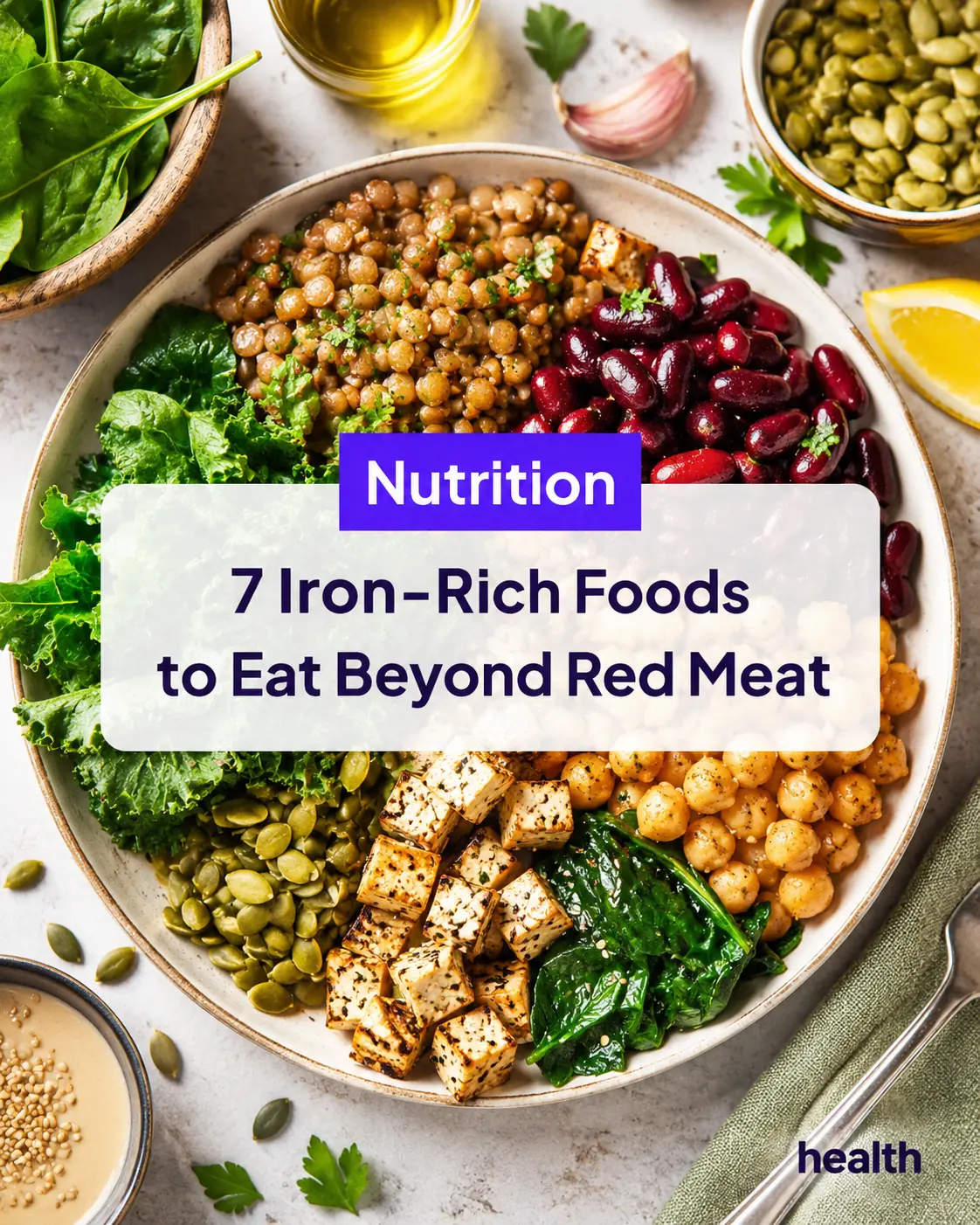
7 Foods With More Iron Than Red Meat

Whey Protein vs. Plant Protein: Which Is Easier To Digest and Builds Muscle More Efficiently?

How Much Protein Do You Need for Muscle Gain?

11 Ways To Relieve an Itchy Sunburn Fast

What Happens to Your Body When You Drink Oat Milk Every Day

Can Foot Detox Baths Actually Remove Toxins?

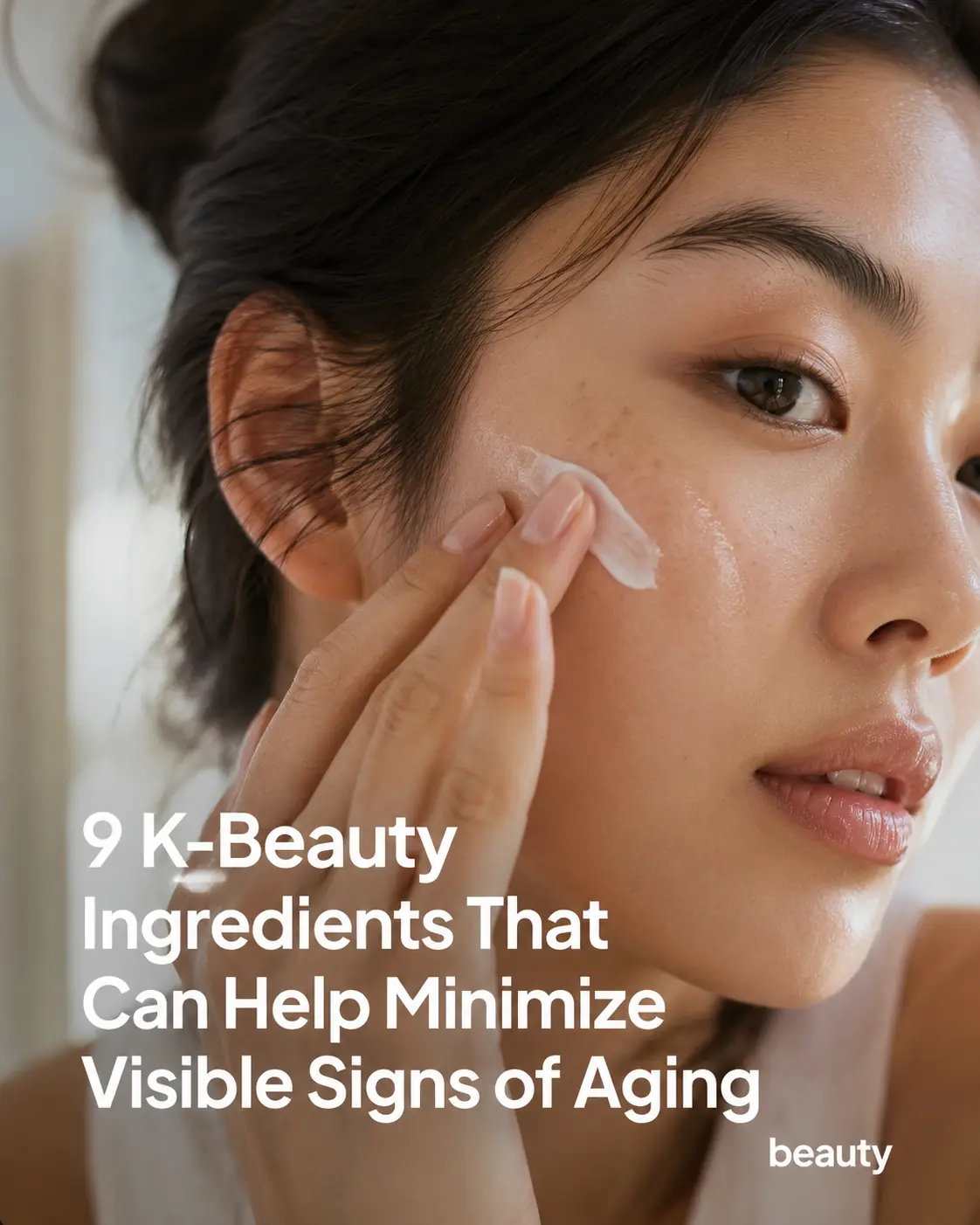
9 Ingredients in Korean Skincare That May Help Reduce Visible Signs of Aging

64-Year-Old Woman Ate a Boiled Sweet Potato Every Morning for a Year: What Doctors Found May Surprise You

Doctors Warn: Stop Eating These 4 Foods Immediately—They May Carry Hidden Parasites That Put Your Health at Risk

Proven Health Benefits of Sage (Science Based)
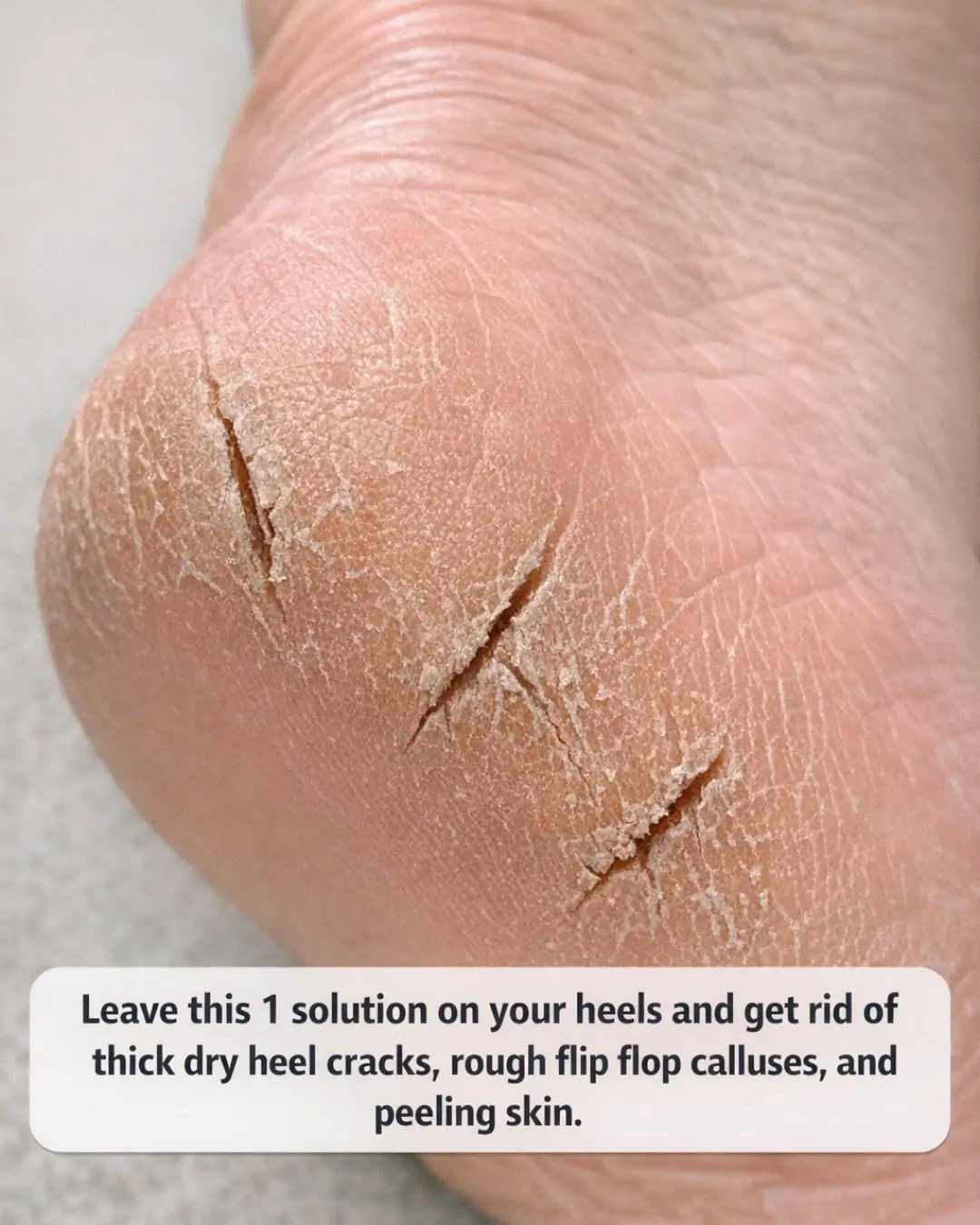

Leave this 1 solution on your heels and get rid of thick dry heel cracks, rough flip flop calluses, and peeling skin.
News Post

I Discovered the Terrifying Reason Why

A doctor was performing a routine ultrasound on a 70-year-old woman

At the age of 24, I married my boss, who was nearly 40 years older than me and had lost both of her arms in a terrible car accident. But on our wedding night, she made me an offer that left me completely shocked

A doctor says most people treating high blood pressure are missing 10 daily habits that could lower it without adding another pill

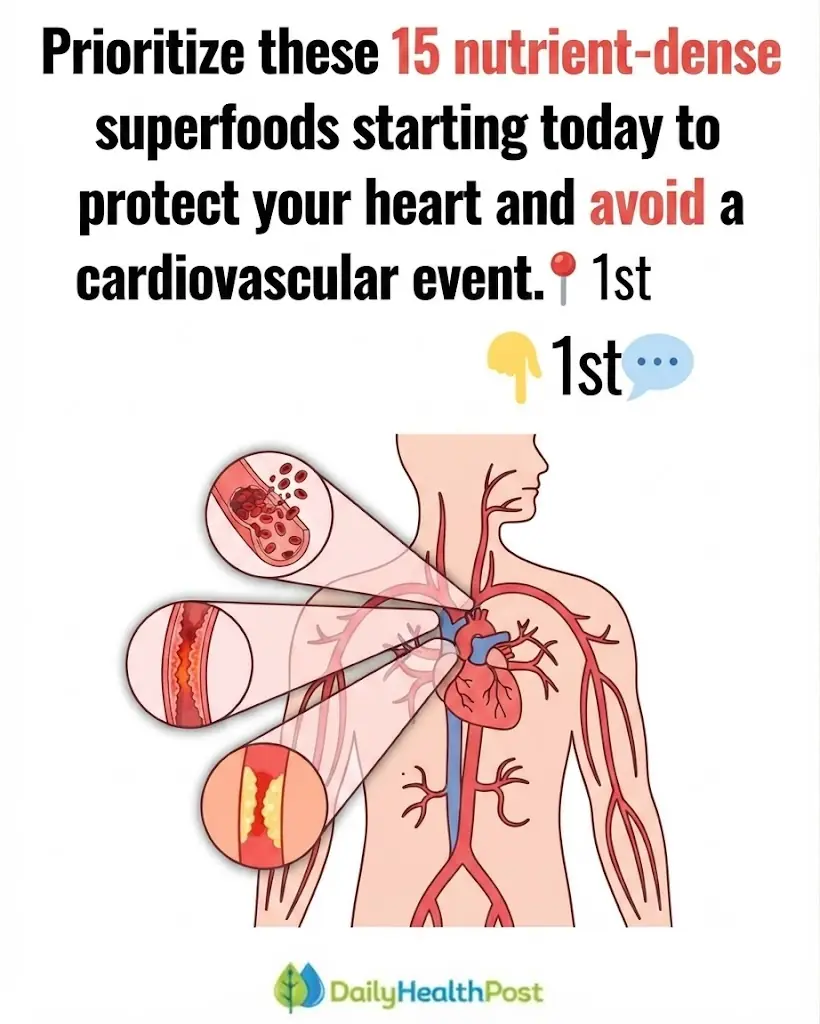
Anyone who wants to avoid having a stroke needs to start eating these 15 foods immediately

The #1 exercise for lowering blood sugar (it’s not what you think)

3 Types of Fish That Could Carry Hidden Health Risks — No Matter How Delicious They Are, You May Want to Avoid Them

Doctors have a list of 5 common medications that may be doing more harm than good after 65

Part 2: The Young Boy Who Counted to Three

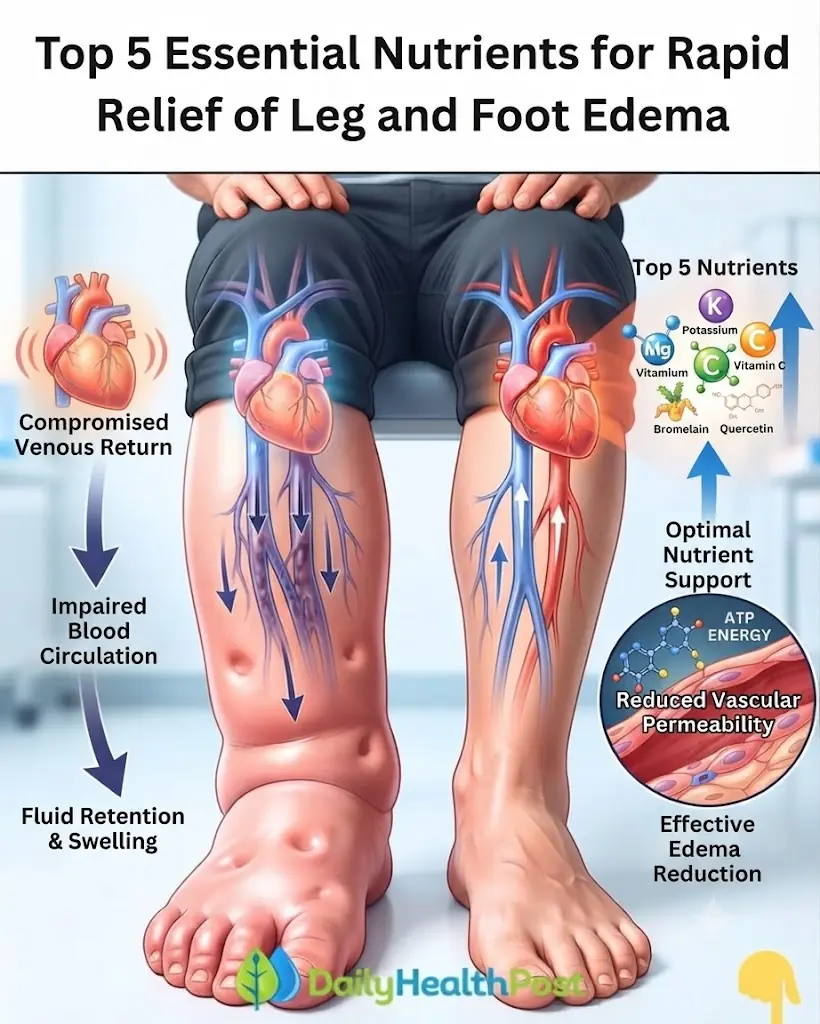
Top 5 nutrients to reduce swelling in feet and legs

Doctors say stopping this popular osteoporosis medication can cause faster bone loss than never taking it at all — and it is one of the most prescribed drugs in the world

Top 10 signs of a BLOOD CLOT in your leg (prevent Deep Vein Thrombosis)

Top 10 foods to heal knee pain and boost cartilage

🎬 PART 2: «The Secret Inside Her Mother’s Locket»

Every Night, a Wealthy Husband Forced His Wife to Bathe in Five Deadly Poisons to Bear a Son—The Doctor Was Horrified by What He Saw at Birth

A woman accidentally found herself inside the same enclosure as a massive lion, right in front of hundreds of visitors. Everyone was certain that a horrific tragedy was only seconds away, but what the predator did left the entire zoo in shock

The Mystery of the Little Ledge: What That Small Kitchen Island Shelf Is Actually For (And How to Love It)

Doctors Say Don't Eat These 4 Fridge Foods, Even If You're Hungry

Waking Up During the Night Isn't Always Normal - Here's What Could Be Behind It