What Your Eye Color Says About Your Personality: The Science and Mystery
Tips 24/03/2026 16:00
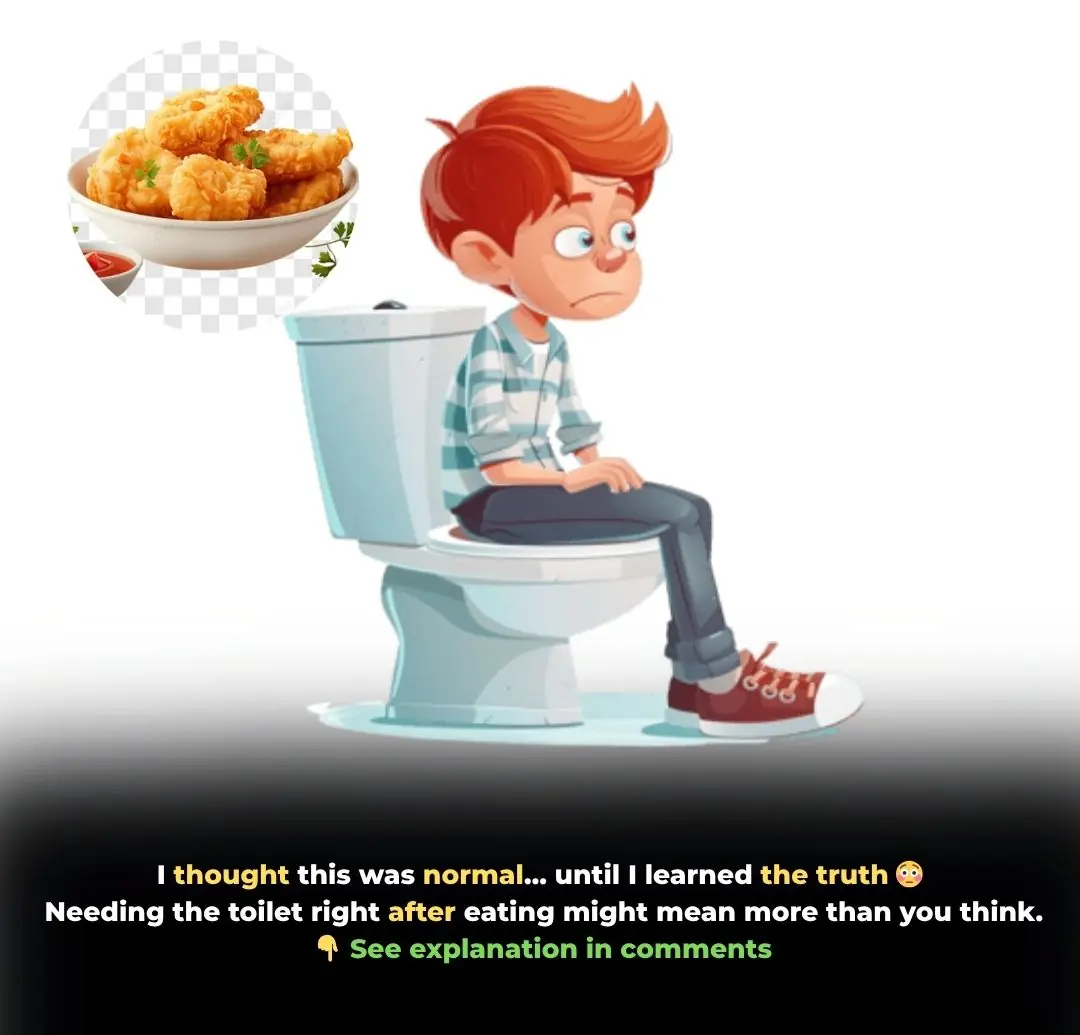
You've just finished a delicious meal, but only 5-10 minutes later, a sudden stomach cramping forces you to rush to the bathroom? This happens frequently, causing you anxiety and making you hesitant to eat out or attend parties with friends. Many people immediately blame Irritable Bowel Syndrome (IBS), but in reality, the mechanism behind this phenomenon is more complex and interesting.
This article will work with doctors to decipher the phenomenon of "eating whatever you want," explore the gastrointestinal reflex, and offer practical solutions to help you regain confidence in your digestive system.
Many people mistakenly believe that food immediately "goes straight" from the mouth to the colon after being eaten. However, biologically, this is impossible. The normal digestive process takes between 24 and 72 hours.
The feeling of needing to defecate immediately after eating is actually due to the Gastrocolic Reflex .
When food enters the stomach, the body releases digestive hormones. These hormones signal the colon, instructing it to contract to "clear" space for the new food flowing down. In other words, this is a natural bodily response to push out old waste, making room for new nutrients.
In normal individuals, this reflex occurs gently and without discomfort. However, in people with sensitive digestive systems, this reflex is overactive, leading to an urgent urge to defecate, or even painful diarrhea.
Although the gastrointestinal reflex is natural, if it causes significant discomfort, there may be several underlying causes:
Irritable bowel syndrome (IBS): This is the most common cause. People with IBS often have a more sensitive colon than normal. The contractions are stronger and faster, causing diarrhea or cramping.
Anxiety and stress: The brain-gut axis is very closely linked. When you are stressed, the autonomic nervous system stimulates increased bowel motility, exacerbating the post-meal reflex.
Food allergies or intolerances: Foods containing dairy (lactose), gluten, or foods that are too high in fat can trigger an immediate inflammatory response in the gut.
Ulcerative colitis or Crohn's disease: Chronic inflammatory bowel diseases also keep the colon in a constant state of "alert".
Dr. Joseph Salhab – a renowned gastroenterologist – emphasizes that the Low-FODMAP diet is one of the most effective methods for reducing the intensity of the gastrocolic reflex, especially for IBS patients.
FODMAPs are short-chain carbohydrates that are difficult for the small intestine to absorb. When they reach the large intestine, they are fermented by bacteria, producing gas and drawing water into the intestines, leading to bloating, abdominal distension, and diarrhea.
Grains: Oats, quinoa, brown rice.
Vegetables: Carrots, cucumbers, spinach, potatoes.
Fruits: Ripe bananas, strawberries, grapes, oranges.
Sources of protein: Chicken, eggs, fish, tofu.
Onions and garlic (among the most irritating ingredients).
Milk and dairy products contain lactose.
Legumes (soybeans, lentils).
Apples, pears, honey, and artificial sweeteners.
Adopting this diet helps to "calm" colon contractions, so you no longer have to worry about finding a toilet after every meal.
In addition to changing your main diet, you can also apply these small but effective tips:
Aloe vera is not only good for the skin but also acts as a cooling remedy for the intestines. A little diluted aloe vera juice mixed with water can help soothe the digestive mucosa, reduce mild inflammation, and support more stable bowel movements.
Instead of eating three large meals, try dividing them into five to six smaller meals throughout the day. When less food enters the stomach, the signals sent to the colon are weaker, thereby reducing the immediate pressure on the colon's contractions.
Caffeine in coffee and nicotine in cigarettes are leading stimulants for bowel movements. If you frequently experience diarrhea after meals, try cutting back on your breakfast coffee to see a difference.
Although having a bowel movement immediately after eating is usually a benign phenomenon due to the body's reflex, you shouldn't ignore it if it's accompanied by the following signs:
Unexplained weight loss: The digestive system is not absorbing nutrients properly.
Bloody stools: A sign of serious infection or malignancy.
Severe abdominal pain: The pain does not subside after a bowel movement.
Fever or anemia: These indicate that the body is experiencing a systemic inflammatory response.
Having a bowel movement immediately after eating isn't always a sign of a serious illness, but it's a signal that your body needs more attention. By understanding the gastrointestinal junction reflex and adopting a Low-FODMAP diet , you can manage the situation.
Listen to your body, adjust your lifestyle, and don't hesitate to seek advice from healthcare professionals to maintain a healthy digestive system and confidently enjoy every meal.