Food Safety Warning: Why Properly Storing Cooked Chicken Matters More Than You Think
Improperly stored cooked chicken can increase the risk of foodborne illness.
Learn how to safely store cooked chicken, how long it lasts in the refrigerator, warning signs of spoilage, and tips to reduce the risk of food poisoning.
Cooked chicken is a healthy and convenient source of protein, but it must be stored properly to remain safe to eat. Even after cooking, bacteria can multiply if food is left at unsafe temperatures or kept too long in the refrigerator.
Understanding basic food safety guidelines can help reduce the risk of foodborne illness and prevent unnecessary food waste.
Why Proper Storage Is Important
Cooking chicken kills harmful bacteria, but contamination can occur afterward through improper handling, dirty utensils, or incorrect storage temperatures.
Bacteria grow rapidly when food remains in the temperature danger zone (40°F–140°F or 4°C–60°C) for extended periods. That's why leftovers should be refrigerated promptly.
How Long Does Cooked Chicken Last?
When stored correctly in an airtight container inside the refrigerator, cooked chicken is generally considered safe for 3 to 4 days.
To maximize freshness:
- Refrigerate leftovers within two hours after cooking.
- If the room temperature is very hot (above 90°F / 32°C), refrigerate within one hour.
- Keep the refrigerator at or below 40°F (4°C).
If you don't plan to eat the chicken within a few days, freezing it is often the better option.
Signs Cooked Chicken May No Longer Be Safe
Never rely on appearance alone. Discard cooked chicken if you notice:
- A sour or unpleasant odor.
- A slimy or sticky texture.
- Mold growth.
- Unusual discoloration.
- It has been stored longer than the recommended time.
When in doubt, it's safest to throw it away.
How to Store Cooked Chicken Properly
To help keep cooked chicken fresh:
- Allow it to cool slightly before refrigeration.
- Divide large portions into smaller containers for faster cooling.
- Use clean, airtight containers.
- Label leftovers with the storage date.
- Keep raw meat separate from cooked foods to prevent cross-contamination.
Freezing Cooked Chicken
Freezing helps preserve quality for a longer period.
For best results:
- Wrap the chicken tightly or store it in freezer-safe containers.
- Remove as much air as possible.
- Label with the freezing date.
Frozen cooked chicken maintains its best quality for several months, though it remains safe longer if continuously frozen.
Reheating Safely
When reheating cooked chicken:
- Heat it thoroughly until steaming hot throughout.
- Stir soups or casseroles to ensure even heating.
- Avoid repeatedly reheating the same leftovers.
- Only reheat the amount you plan to eat.
Proper reheating helps reduce the risk of bacterial growth after storage.
Food Safety Tips
Simple habits can greatly improve kitchen safety:
- Wash hands before handling food.
- Clean cutting boards and utensils thoroughly.
- Refrigerate leftovers promptly.
- Keep refrigerators at the correct temperature.
- Follow the "first in, first out" rule to use older leftovers first.
Final Thoughts
Cooked chicken can be a nutritious and convenient meal, but safe storage is essential. Refrigerating leftovers promptly, using airtight containers, and following recommended storage times can help reduce the risk of foodborne illness.
When you're unsure whether cooked chicken is still safe to eat, remember one simple rule: when in doubt, throw it out.
News in the same category


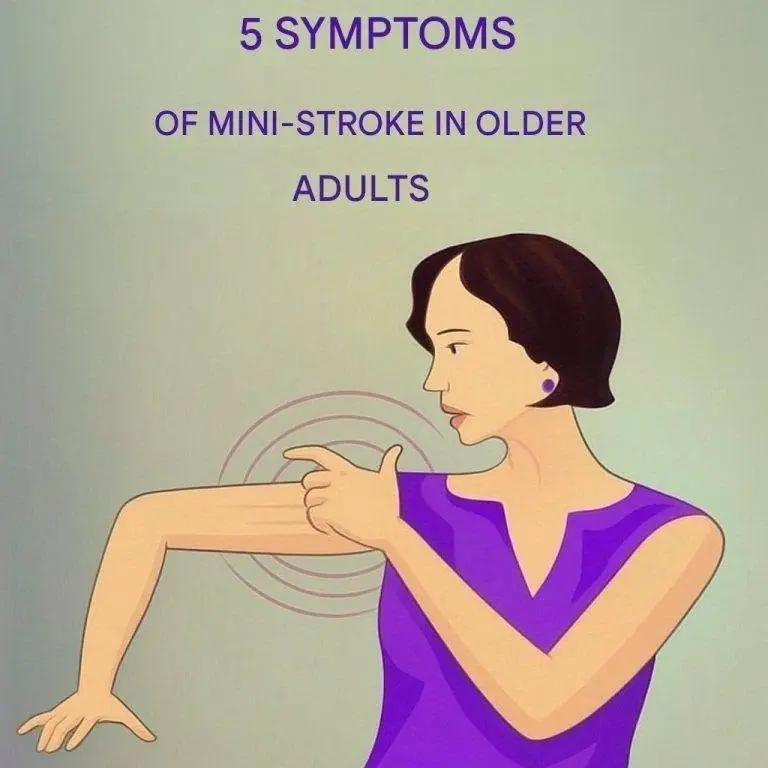
5 Symptoms of a Mini Stroke in Seniors That Shouldn't Be Ignored

How to Restore Vision Naturally with a Simple Juice Recipe

Doctors reveal that eating avocados causes… see more

Cleanse your kidneys, liver, and lungs. Eliminate bacteria. All the impurities will be expelled

Why Do You Wake Up Drooling?

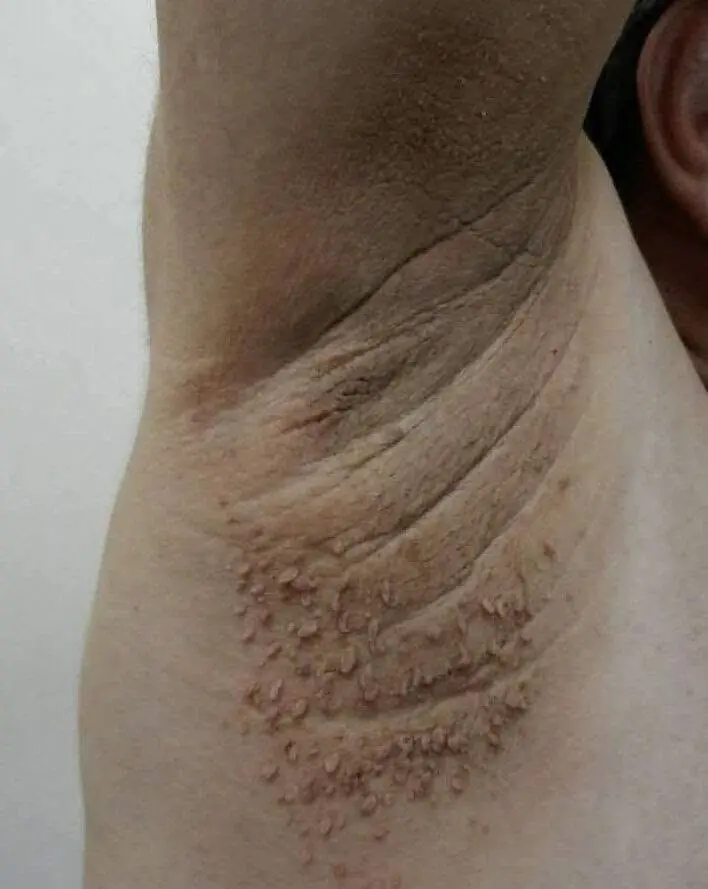
Understanding Dark Patches on the Skin: A Gentle Guide to Acanthosis Nigricans and When to Seek Care

Why Do You Wake Up Drooling?

Can Eating Eggs the Wrong Way Really Be Dangerous? Separating Facts From Fear

A family of 3 got pancreatic cancer because of eating this type of meat for breakfast

Chia Seeds: Health Benefits & Nutrition Facts Based on Science

What foods to avoid during the cyclosporiasis outbreak

Why Hot Dogs and Processed Meat Might Be the Most Dangerous Foods of All Time

Proven Health Benefits of Coffee and Caffeine Based on Scientific Evidence

A Powerful Mixture for Cleansing Your Liver (2 Ingredients)

Pineapple: Proven Health Benefits, Calories, Juice Benefits

Preventing Stroke At Any Age: 3 “Don’ts” After Meals—And 4 “Don’ts” Before Bed

Wrinkled Fingers After Water Exposure: What Your Skin May Be Telling You

Doctors Warn: Bitter Vegetables May Contain Natural Toxins—Know What to Look For
News Post

Air Canada pilot accused of flying for 17 years without correct licence

Rare tree bearing fruit with hope of seedlings

Maine Toxics in Food Packaging Program

8 Unusual Signs That May Indicate Cervical Cancer

Can You Identify This Brass Beauty? The Fascinating History of the Antique Horse Drencher

5 Symptoms of a Mini Stroke in Seniors That Shouldn't Be Ignored

How to Restore Vision Naturally with a Simple Juice Recipe

Doctors reveal that eating avocados causes… see more

What Did I Find in My Grandmother's China Cabinet? The Mystery of the Crystal Glass Dumbbell

Cleanse your kidneys, liver, and lungs. Eliminate bacteria. All the impurities will be expelled

Why Do You Wake Up Drooling?

I Discovered This Hidden in a Crack in My Sofa… Please Don't Tell Me These Are Bed Bugs

Understanding Dark Patches on the Skin: A Gentle Guide to Acanthosis Nigricans and When to Seek Care

Why Do You Wake Up Drooling?

Can Eating Eggs the Wrong Way Really Be Dangerous? Separating Facts From Fear

A family of 3 got pancreatic cancer because of eating this type of meat for breakfast

Chia Seeds: Health Benefits & Nutrition Facts Based on Science

What foods to avoid during the cyclosporiasis outbreak