Kidney Patients: 4 Proteins to Include and 6 Better to Limit
Health 09/03/2026 14:35
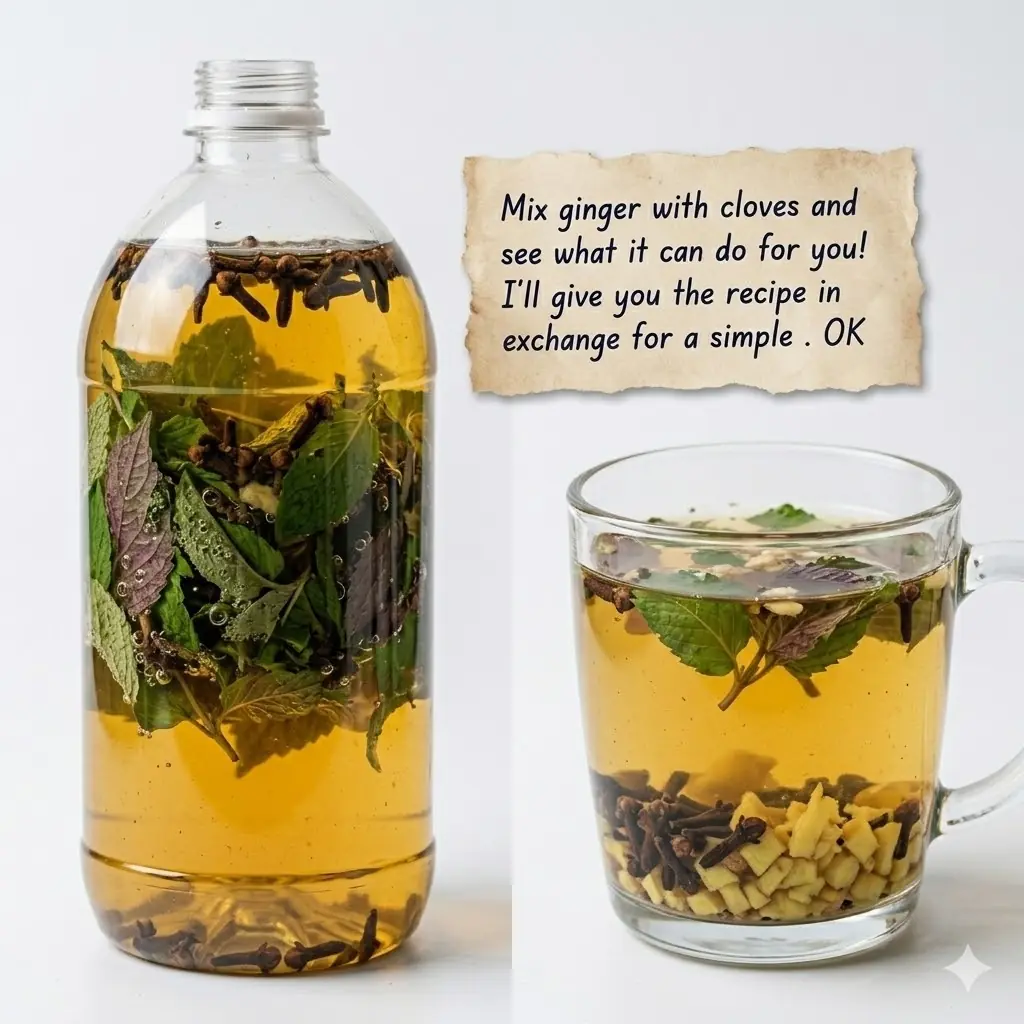
ginger and cloves are two traditional spices that have been used for centuries in kitchens and natural wellness practices around the world. When combined, they create a warm, aromatic infusion that is appreciated not only for its bold flavor but also for its potential to gently support overall well-being.
This guide explores the traditional benefits of ginger and cloves, how to prepare a comforting infusion at home, and important considerations before adding it to your daily routine.
ginger is a root (technically a rhizome) widely known for its slightly spicy flavor and its long history in herbal teas, culinary recipes, and traditional wellness practices.
It contains natural bioactive compounds such as gingerols and shogaols, which are often studied for their antioxidant properties and their role in supporting the body's natural inflammatory response.
Cloves are the dried flower buds of the tree Syzygium aromaticum. They have an intense aroma and a warm, distinctive taste.
Cloves are rich in eugenol, a compound recognized for its antioxidant characteristics and widely used in both culinary and traditional herbal preparations.
Together, ginger and cloves create a flavorful infusion that has been appreciated in many cultures for generations.
Adding a ginger and clove tea to a balanced lifestyle may provide several supportive benefits. While it is not a medical treatment, traditional use and emerging research suggest several interesting properties.
Both ginger and cloves contain compounds that act as antioxidants, which help protect the body from oxidative stress.
Oxidative stress is linked to cellular aging and various long-term health challenges. Cloves are especially notable for their high eugenol content, while ginger contributes its powerful gingerol compounds.
Including antioxidant-rich foods and beverages in your routine may support overall cellular health.
ginger has been widely studied for its ability to help support the body's natural inflammatory processes.
Cloves also contain bioactive plant compounds that may contribute to maintaining balance in the body.
For this reason, ginger and clove infusions are often enjoyed as part of a holistic wellness routine.
One of the most traditional uses of ginger tea is to support digestion.
ginger has long been used to help relieve occasional nausea, bloating, and the feeling of a heavy stomach after meals.
Cloves may complement this effect by helping reduce gas and digestive discomfort.
Many people enjoy a warm cup after lunch or dinner, as it may create a sense of lightness and digestive comfort.
In traditional wellness systems, both ginger and cloves are valued for their natural antimicrobial and warming properties.
During seasonal changes, herbal teas made with warming spices are often used to support the body's natural defenses and overall resilience.
A comforting cup of ginger and clove tea may be a pleasant addition to your daily self-care routine.
Some research suggests that ginger may play a role in supporting healthy metabolism, particularly when combined with balanced nutrition and regular physical activity.
When paired with cloves, the infusion becomes a flavorful beverage that can complement a healthy lifestyle.
Preparing this traditional infusion is simple and requires only a few ingredients.
1 piece of fresh ginger (about 2–3 cm)
3 to 5 whole cloves
2 cups of water
Optional: honey or lemon to taste
Peel the ginger and slice it into thin pieces.
Bring the water to a gentle boil.
Add the ginger slices and whole cloves.
Reduce the heat and let the mixture simmer for 10–15 minutes.
Strain the infusion into a cup.
Add honey or lemon if desired.
Enjoy the tea warm.
Many people drink it once or twice a day, especially during colder weather or whenever they want a comforting herbal beverage.
Although ginger and clove tea is generally considered safe for most people when consumed in moderation, it is important to keep a few points in mind.
You may want to consult a healthcare professional before using herbal infusions regularly if you:
Are pregnant or breastfeeding
Have specific health conditions
Take regular medications
Excessive consumption or highly concentrated preparations may cause digestive discomfort in some individuals.
Moderation and balance are always recommended when incorporating herbal drinks into your routine.
ginger and cloves are much more than simple kitchen spices. Together, they create a fragrant and warming infusion traditionally appreciated for supporting daily wellness.
Easy to prepare, affordable, and versatile, this herbal drink can become a comforting ritual in your routine — especially when combined with a balanced diet and an active lifestyle.
Try adjusting the flavor with lemon or honey, enjoy it mindfully, and appreciate this timeless natural combination.
If you enjoy discovering traditional natural recipes like this one, consider sharing it with friends or saving it for later inspiration. 🌿