Can Onions Support Eye Health? A Surprising Kitchen Habit Many Seniors Are Talking About
Health 29/03/2026 00:22
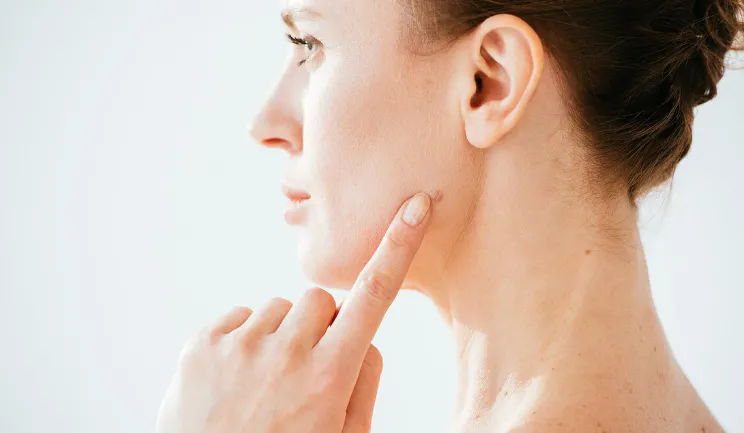
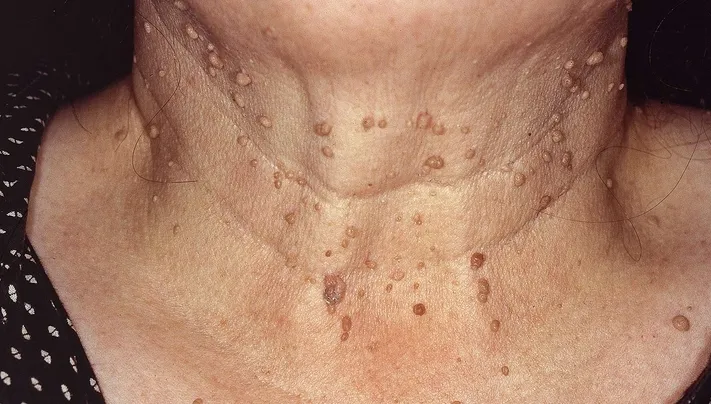
If you have noticed small, soft, slightly raised bumps on your neck, underarms (armpits), or even under the breasts, you are not alone.
These tiny growths—often flesh-colored, brown, or even dark—are extremely common.
Many people become alarmed when they see them, especially if they appear suddenly or increase in number.
However, in most cases, these bumps are harmless.
The most likely explanation is that they are skin tags, medically known as acrochordons.
Let’s explore in detail what these bumps are, why they appear, what causes their darker color, and how you can safely deal with them.
First, what exactly are skin tags?
Skin tags are small, soft growths made up of collagen fibers, blood vessels, and skin tissue.
They usually hang off the skin by a thin stalk, although some may appear flatter.
They are not cancerous and do not turn into cancer.
They typically measure from 1 to 5 millimeters, but some can grow larger.

They most commonly appear in areas where skin rubs against skin or clothing, such as:
Neck
Armpits
Groin
Under the breasts
Eyelids
The reason they are common in these areas has to do with friction and repeated irritation.
Why do they form?
There are several main causes and risk factors behind skin tags:
Friction and skin rubbing
When skin repeatedly rubs against itself or tight clothing, the friction can stimulate small areas of skin to overgrow. This is why they often develop in folds of skin. People who wear tight collars, necklaces, or tight bras may notice more tags in those areas.
Hormonal changes
Hormonal shifts play a significant role. Skin tags are especially common during pregnancy. Increased levels of growth hormones and insulin during pregnancy can trigger skin overgrowth.
Insulin resistance and blood sugar issues
One of the strongest medical associations with skin tags is insulin resistance. People with prediabetes or type 2 diabetes often develop multiple skin tags. High insulin levels can stimulate skin cells to multiply more than normal.
Genetics
If your parents have skin tags, you are more likely to develop them. Some people are simply genetically predisposed to forming them.
Obesity or weight gain
Extra body weight increases skin folds and friction. It is also associated with higher insulin levels, which further increases risk.
Why are some of them dark or black?
Many people panic when they see dark or black bumps. In most cases, the darker color happens because:
The tag twists on its stalk and blood flow decreases.
Friction causes irritation and pigmentation.
The person naturally has more melanin in their skin.
If a skin tag suddenly turns very dark, becomes painful, or bleeds, it may have lost blood supply.
While this is usually not dangerous, it’s best to have a doctor examine it.
How are skin tags different from other bumps?
It’s important to distinguish skin tags from:
Warts (caused by HPV, rough surface, contagious)
Moles (flat or raised pigmented spots)
Seborrheic keratosis (waxy, stuck-on appearance)
Acanthosis nigricans (dark thickened skin, not bumps)
Skin tags are usually soft and moveable. They are painless unless irritated.
Are they dangerous?
In the vast majority of cases, skin tags are completely benign.
They do not spread through the bloodstream, and they are not infections. However, their presence can sometimes signal underlying metabolic issues such as insulin resistance.
If someone develops many new skin tags rapidly, especially along with darkened skin around the neck, it may be wise to check blood sugar levels.
How can they be removed?
You should never try to cut them off yourself with scissors or thread. Home removal methods can cause infection, bleeding, and scarring.
Safe medical removal methods include:
Cryotherapy
A doctor freezes the tag with liquid nitrogen. The tag falls off within days.
Cauterization
The tag is burned off using electrical energy.
Surgical snipping
A healthcare professional cuts it off with sterile instruments. This is quick and usually painless with local anesthesia.
Ligation
A doctor ties off the base to cut off blood supply.
These procedures are simple and usually leave minimal scarring.
Can you prevent them?
While you cannot completely prevent skin tags, you can reduce risk by:
Maintaining a healthy weight
Wearing loose clothing
Managing blood sugar levels
Keeping skin clean and dry
Avoiding constant friction from jewelry
If you have insulin resistance, improving diet and exercise habits can reduce the formation of new tags.
When should you see a doctor?
You should consult a healthcare provider if:
The bump changes rapidly in size or color
It becomes painful or bleeds frequently
It has irregular borders
You are unsure whether it is a skin tag
Although rare, certain skin cancers can sometimes resemble skin tags.
Psychological impact
Even though skin tags are harmless, they can affect self-esteem.
Because they often appear on visible areas like the neck, people may feel embarrassed.
The good news is that removal is simple, quick, and widely available.
Final thoughts
If you have developed small dark bumps on your neck or underarms, they are most likely skin tags.
They form due to friction, hormonal changes, insulin resistance, genetics, and weight-related factors.
They are not dangerous in most cases, but they can signal underlying metabolic health issues.
The most important thing is not to panic. Avoid unsafe home treatments and seek professional evaluation if needed.
With proper care, they can be removed safely, and future formation can sometimes be reduced by improving overall metabolic health.
If you are unsure whether your bumps are skin tags or something else, describing their appearance in more detail can help guide the next steps.