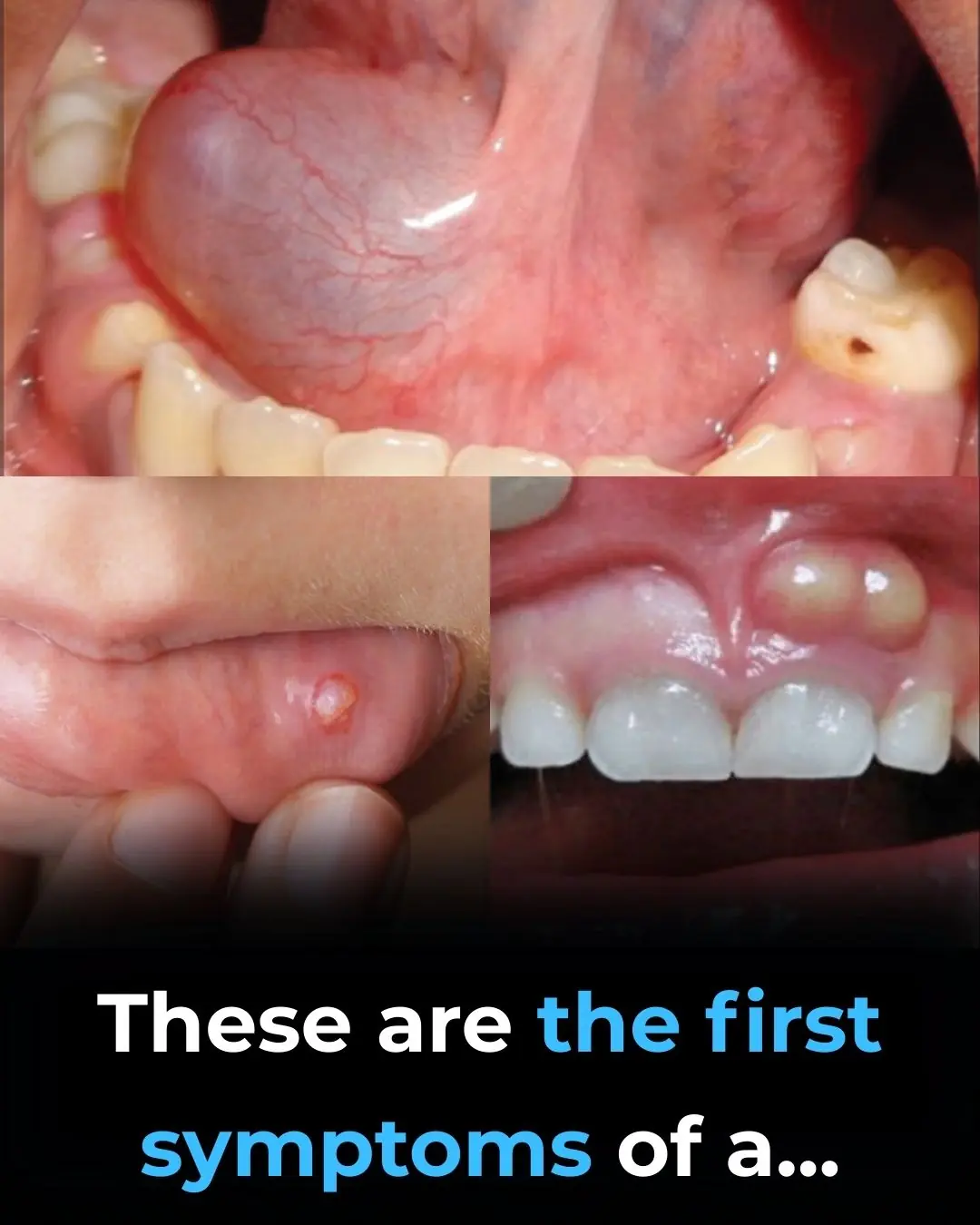
Hidden Dangers in Your Mouth: Early Signs of Oral Cancer
Health 26/03/2026 22:13
Protect Your Ears …A Guide to Lifelong Hearing Health
Your ears do a lot more than just help you hear—they play a key role in balance, communication, and overall well-being. Yet, many of us take them for granted, exposing them to loud sounds, neglecting proper hygiene, or ignoring early signs of hearing issues. Over time, these habits can seriously impact your hearing and quality of life. The good news? By understanding the risks and adopting simple protective habits, you can keep your ears healthy for years to come.
One of the biggest threats to your hearing is prolonged exposure to loud sounds. Sounds above 85 decibels—think busy traffic, concerts, or power tools—can gradually damage the delicate hair cells in your inner ear. Unlike a sudden injury, noise-induced hearing loss often happens slowly, making it easy to overlook until significant damage has occurred.
Everyday sources of harmful noise aren’t always obvious. Music through headphones, lawnmowers, construction work, and even sporting events can quietly take a toll on your hearing over time.
If you love listening to music through earbuds or headphones, the 60-60 rule is a lifesaver: keep the volume at no more than 60% of the device’s maximum, and limit listening sessions to 60 minutes at a time. Simple as it sounds, this rule can dramatically reduce your risk of long-term hearing loss.
When you’re in noisy environments, ear protection isn’t optional—it’s essential. Earplugs and earmuffs can shield your ears at concerts, sporting events, or workplaces with high noise levels. Today’s options are both effective and comfortable: noise-cancelling headphones and custom-molded earplugs let you enjoy sound safely without compromising audio quality.
Your ears are self-cleaning thanks to earwax, which protects against dirt and bacteria. Over-cleaning, especially with cotton swabs or sharp objects, can push wax deeper, leading to impaction or injury. The safest approach? Clean only the outer ear with a damp cloth, and let professionals handle any deeper cleaning. Regular check-ups ensure your ears stay clear without risk.
Detecting hearing loss early makes treatment much more effective. Be alert for symptoms like:
Audiological evaluations and professional consultations can prevent further damage and help manage any existing issues.
Regular hearing screenings are crucial, particularly for those exposed to loud occupational noise, individuals with a family history of hearing loss, or older adults experiencing natural age-related decline. Catching issues early allows interventions that significantly improve life quality.
Simple lifestyle changes go a long way in protecting hearing:
By adopting these habits, you reduce your risk of permanent hearing damage and support long-term auditory health.
Your hearing is invaluable. Prioritize ear health by taking preventive measures, watching for warning signs, and seeking professional care when needed. The steps you take today can preserve your hearing and enhance your overall wellness for a lifetime.