Envy Rarely Looks Like Hate
Facts 03/02/2026 16:43

The relationship between modern technology and public health has long carried an undercurrent of unease, even as mobile devices have become deeply woven into everyday life. That unease is now resurfacing at the national level after the U.S. Department of Health and Human Services confirmed plans to launch a formal investigation into potential links between cell phone radiation, neurological harm, and cancer. Led by Health and Human Services Secretary Robert F. Kennedy Jr., the decision marks a noticeable shift away from earlier federal messaging that largely treated the issue as settled science. With smartphones, wireless networks, and 5G infrastructure now embedded in schools, workplaces, and homes, the announcement signals a renewed willingness to reassess assumptions that have guided health policy for years.
The move has attracted attention not only because of the subject matter, but because of its broader political and cultural implications. Supporters view the investigation as a precautionary step that prioritizes long-term public health over institutional certainty. Critics, meanwhile, warn that reopening the issue risks reigniting public fears that decades of scientific research have failed to substantiate. At the heart of the debate lies a familiar tension between scientific confidence and scientific humility, as federal health leadership confronts the challenge of regulating rapidly evolving technologies amid declining public trust in institutions.
According to a department spokesperson, HHS will conduct a new study examining electromagnetic radiation and its potential health effects, with a focus on cell phone exposure and newer wireless technologies. The stated objective is not to confirm harm, but to identify gaps in existing scientific knowledge—particularly where earlier research may not adequately reflect modern usage patterns, longer exposure periods, or technological changes such as the expansion of 5G networks. While officials stress that the study begins without predetermined conclusions, the decision itself represents a departure from years of relatively stable federal guidance.
Andrew Nixon, an HHS spokesperson, addressed recent changes in federal messaging by explaining, “The FDA removed webpages with old conclusions about cell phone radiation while HHS undertakes a study on electromagnetic radiation and health research to identify gaps in knowledge, including on new technologies, to ensure safety and efficacy.” The statement underscores the administration’s view that conclusions reached in the past may require reevaluation as technology and usage habits evolve.
Nixon also emphasized that the study did not emerge in isolation, noting, “The study was directed by President Trump’s MAHA Commission in its strategy report.” By tying the investigation to the Make America Healthy Again initiative, HHS positions the effort within a broader policy agenda focused on reassessing environmental and technological exposures rather than assuming they pose no long-term risk.
The Make America Healthy Again framework has played a central role in shaping the philosophical foundation of the investigation. Initially promoted during the Trump administration, the initiative calls for renewed scrutiny of environmental, dietary, and technological factors that may contribute to chronic illness and declining health outcomes. Under Kennedy’s leadership, HHS has continued to elevate this approach, framing it as a corrective to what supporters describe as regulatory complacency.
In recent years, HHS has pointed out that 22 states have restricted cellphone use in schools, citing concerns related to mental health, attention span, and physical well-being among children. While those policies were primarily justified on behavioral and developmental grounds, they also reflect broader societal discomfort with constant digital exposure—especially among young people whose brains are still developing.
By expanding the conversation to include potential biological effects, HHS is effectively broadening the scope of the MAHA agenda. Critics argue that this risks blurring the line between behavioral concerns and physical health risks that remain unproven. Supporters counter that separating the two ignores the complex and cumulative ways technology may interact with human health over time.
One of the most consequential aspects of the announcement has been the change in how federal agencies communicate about cell phone safety. The removal of older FDA webpages that previously asserted cell phones posed no danger has been interpreted by some as an implicit reversal, even as officials insist the move reflects caution rather than alarm.
Other agencies have not followed suit. The Centers for Disease Control and Prevention and other federal bodies continue to state that there is currently no credible evidence linking cellphone radiation to adverse health outcomes. This divergence in messaging has created confusion for the public, particularly for parents, educators, and policymakers seeking clear guidance.
Public health experts have long warned that inconsistent communication can undermine trust, even when the underlying science has not changed. As HHS proceeds with its study, a central challenge will be explaining why research is being revisited without suggesting that previous conclusions were fundamentally flawed.
Despite renewed scrutiny, major health institutions continue to stand by existing conclusions regarding cancer risk. The National Cancer Institute, operating under the National Institutes of Health, has repeatedly reviewed decades of epidemiological data examining cellphone use and cancer outcomes.
According to the agency, “evidence to date suggests that cellphone use does not cause brain or other kinds of cancer in humans.” This position is based on large population studies that have not identified consistent increases in cancer rates alongside the dramatic rise in mobile phone usage over recent decades.
Researchers acknowledge, however, that scientific certainty is limited by methodological challenges. Many studies rely on self-reported phone use, long-term exposure data remains incomplete, and rapid technological shifts complicate historical comparisons. These unresolved questions are expected to play a central role in the HHS investigation.
Robert F. Kennedy Jr.’s involvement adds a distinct political dimension to the investigation. Throughout his career, Kennedy has positioned himself as a critic of regulatory institutions he believes are too closely aligned with industry interests. Supporters argue that his leadership creates space to revisit questions that may have been prematurely closed.
Critics, however, caution that Kennedy’s skepticism could shape public perception before new evidence is gathered. They warn that reopening controversial topics without clear findings may unintentionally fuel misinformation, even when the stated goal is scientific rigor.
Regardless of perspective, Kennedy’s role ensures the investigation will be closely scrutinized not only for its conclusions, but also for the transparency and credibility of its process.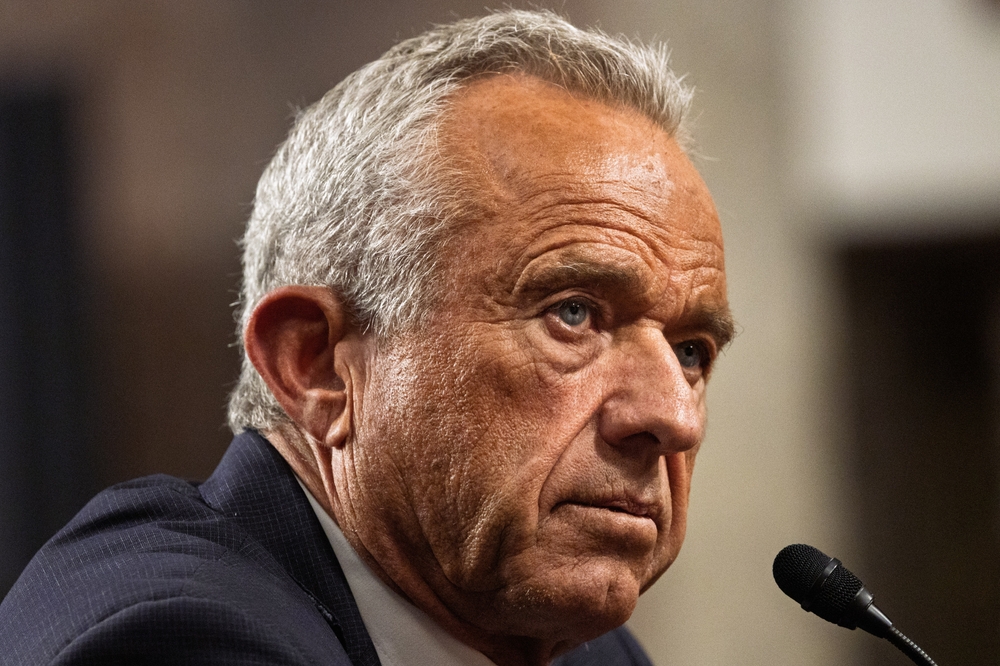
The rollout of 5G technology has intensified scrutiny because it differs in meaningful ways from earlier wireless systems. Although 5G signals are classified as non-ionizing radiation and do not directly damage DNA, the technology relies on higher-frequency signals and a denser network of antennas.
Public concerns often center on cumulative exposure, proximity to infrastructure, and the lack of long-term population data specific to these frequencies. Scientists caution that technological novelty does not automatically translate into increased risk, but they also acknowledge that safety standards must evolve alongside innovation.
The HHS study is expected to assess whether existing exposure limits and testing protocols remain appropriate in an era defined by constant connectivity and near-continuous device use.
For families, the announcement may prompt renewed reflection on everyday technology habits. Health experts continue to recommend practical, low-risk measures that emphasize balance rather than fear, such as encouraging hands-free phone use when possible and limiting unnecessary screen time for children.
School policies restricting cellphone use are likely to remain focused on attention, learning outcomes, and mental health. However, the framing of those policies could evolve as the federal investigation progresses, even in the absence of definitive findings.
The decision to reopen research into cell phone radiation highlights a broader challenge facing public health institutions in an era of rapid technological change. Balancing caution with evidence requires transparency, restraint, and clear communication.
If conducted rigorously and explained responsibly, the HHS investigation could strengthen public trust by demonstrating a willingness to revisit assumptions without rushing to conclusions. If mishandled, it risks deepening polarization and confusion around science and health policy.
Ultimately, the significance of the study may lie less in whether it uncovers new dangers and more in how it reshapes the relationship between technology, governance, and public confidence in modern health institutions.