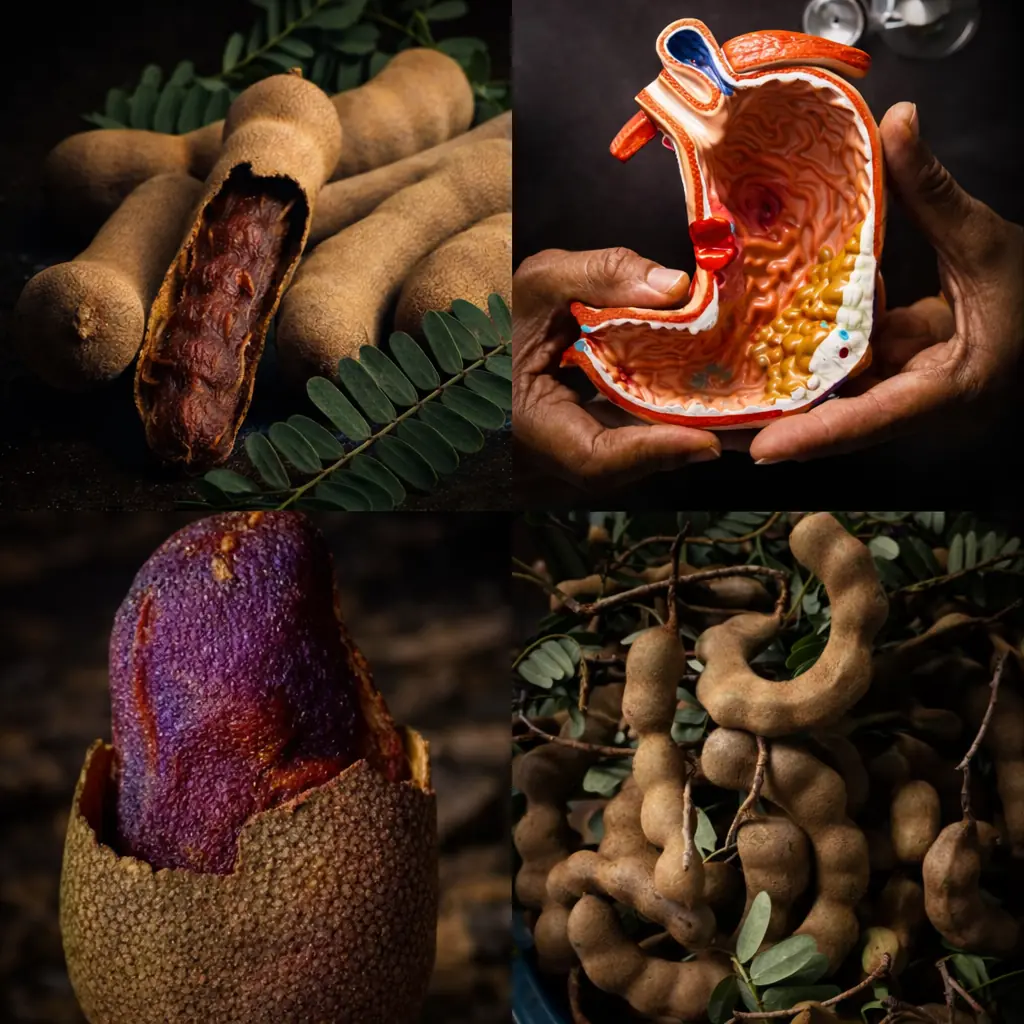
Tamarind: The Tangy Superfruit Your Body Will Thank You For
Health 17/12/2025 01:18
The quest for effective strategies to reduce cancer risk has long emphasized the power of dietary choices. Among the most studied and validated dietary patterns is the Mediterranean diet, where Extra Virgin Olive Oil (EVOO) stands as a cornerstone. Emerging research is now isolating the specific impact of this golden liquid, with findings providing a compelling link between its consumption and a significantly lowered risk of certain breast cancer subtypes.
The visual highlights a crucial finding: Women who consumed more than 3 tablespoons (about 40–45 grams) of olive oil per day showed a significantly lower risk of certain breast cancer subtypes, with the strongest reduction observed for HER2-negative tumors (about 46% lower risk).
Olive oil is not merely a source of fat; it is a complex mixture of biologically active compounds, primarily monounsaturated fatty acids (MUFAs) and various polyphenols.
Oleic Acid (MUFA): This is the main fatty acid in olive oil. It is believed to modulate cell membrane properties and influence gene expression related to cancer cell growth.
Polyphenols (e.g., Hydroxytyrosol, Oleuropein): These compounds are potent antioxidants and anti-inflammatory agents. They are the key distinction, particularly in extra virgin olive oil, which retains higher levels than refined oils.
The protective effect of high olive oil consumption, especially against HER2-negative tumors, is likely driven by its multi-targeted action against several hallmarks of cancer :
Anti-Inflammatory Action: Chronic low-grade inflammation is a major driver of cancer development. The polyphenols in EVOO, like oleocanthal (which mimics the action of ibuprofen), effectively dampen this inflammatory environment, thus inhibiting tumor initiation and promotion.
Antioxidant Power: Polyphenols scavenge free radicals, reducing oxidative stress that can damage cellular DNA, a common precursor to malignancy.
Hormonal Modulation: The MUFAs and polyphenols may favorably influence estrogen metabolism and signaling pathways, which is particularly relevant in hormone-sensitive breast cancer subtypes.
Apoptosis Induction: Certain olive oil components have been shown in laboratory studies to selectively induce apoptosis (programmed cell death) in cancer cells without harming healthy cells.
The finding emphasizes the strongest protective effect against HER2-negative tumors, which account for a large proportion of breast cancers. These tumors lack the amplification of the HER2 gene, making them a diverse group that includes the aggressive Triple-Negative Breast Cancer (TNBC) subtype (Estrogen Receptor-negative, Progesterone Receptor-negative, and HER2-negative).
The 46% lower risk associated with high olive oil consumption suggests a particularly effective role for the oil's compounds in targeting the non-hormonal, inflammatory, and signaling pathways that drive these tumors.
Given that TNBC has fewer targeted treatment options than other subtypes, this dietary protective measure holds significant clinical importance.
The threshold identified in the research—more than 3 tablespoons (40–45 grams) per day—is substantial and characteristic of traditional Mediterranean dietary habits, where olive oil is used not just for cooking but as a generous dressing for salads and vegetables.
This research reinforces the recommendations from health organizations to adopt a Mediterranean-style diet. It suggests that substituting less healthy fats (like saturated fats or refined seed oils) with high-quality Extra Virgin Olive Oil provides measurable, cancer-protective benefits, especially for women seeking to mitigate their risk of certain breast cancer subtypes. The purity and high polyphenol content of EVOO are crucial for achieving these benefits.
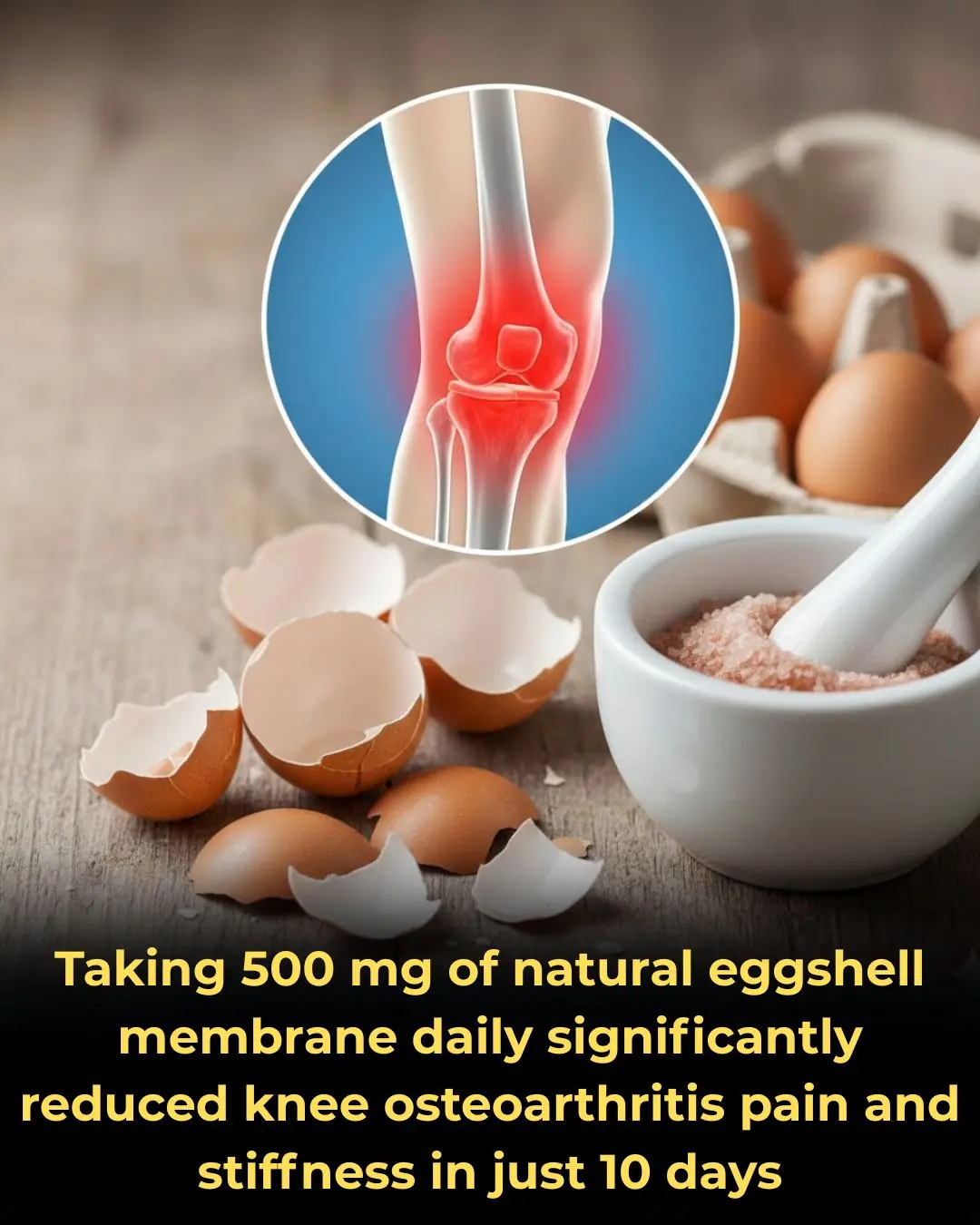
Osteoarthritis (OA) is a pervasive and debilitating condition, particularly affecting the knees, characterized by chronic pain, stiffness, and reduced mobility. A striking finding highlighted in recent nutritional science suggests a powerful solution: Taking 500 mg of natural eggshell membrane daily significantly reduced knee osteoarthritis pain and stiffness in just 10 days.
The eggshell membrane (ESM) is the thin, fibrous matrix between the shell and the egg white. Modern research has unveiled its rich biochemical composition, positioning it as a potent nutraceutical for joint health :
Collagen: Provides structural integrity to connective tissues.
Glycosaminoglycans (GAGs): Including Glucosamine and Chondroitin, essential building blocks for cartilage.
Hyaluronic Acid: A crucial component for joint lubrication.
The key to ESM's success, particularly its remarkably quick action—achieving significant relief in just 10 days—lies in its multi-faceted mechanism, focusing on managing inflammation and supporting the joint matrix.
Anti-Inflammatory Action: OA is driven by chronic inflammation. The unique blend of proteins and GAGs in ESM is hypothesized to help down-regulate pro-inflammatory cytokines, quickly reducing pain and swelling. Studies have investigated the speed of ESM's effect in journals such as Clinical Rheumatology.
Cartilage Matrix Support: The natural presence of glucosamine, chondroitin, and hyaluronic acid provides essential raw materials for maintaining and potentially repairing the damaged cartilage matrix. Research in the Journal of Medicinal Food supports that ESM components help inhibit the activity of cartilage-degrading enzymes.
Synergistic Effect: ESM delivers its components in their natural, biologically available ratios, offering greater therapeutic effect than single-ingredient supplements.
The finding of significant reduction in pain and stiffness in just 10 days is supported by clinical research using standard clinical measures like the Western Ontario and McMaster Universities Osteoarthritis Index (WOMAC).
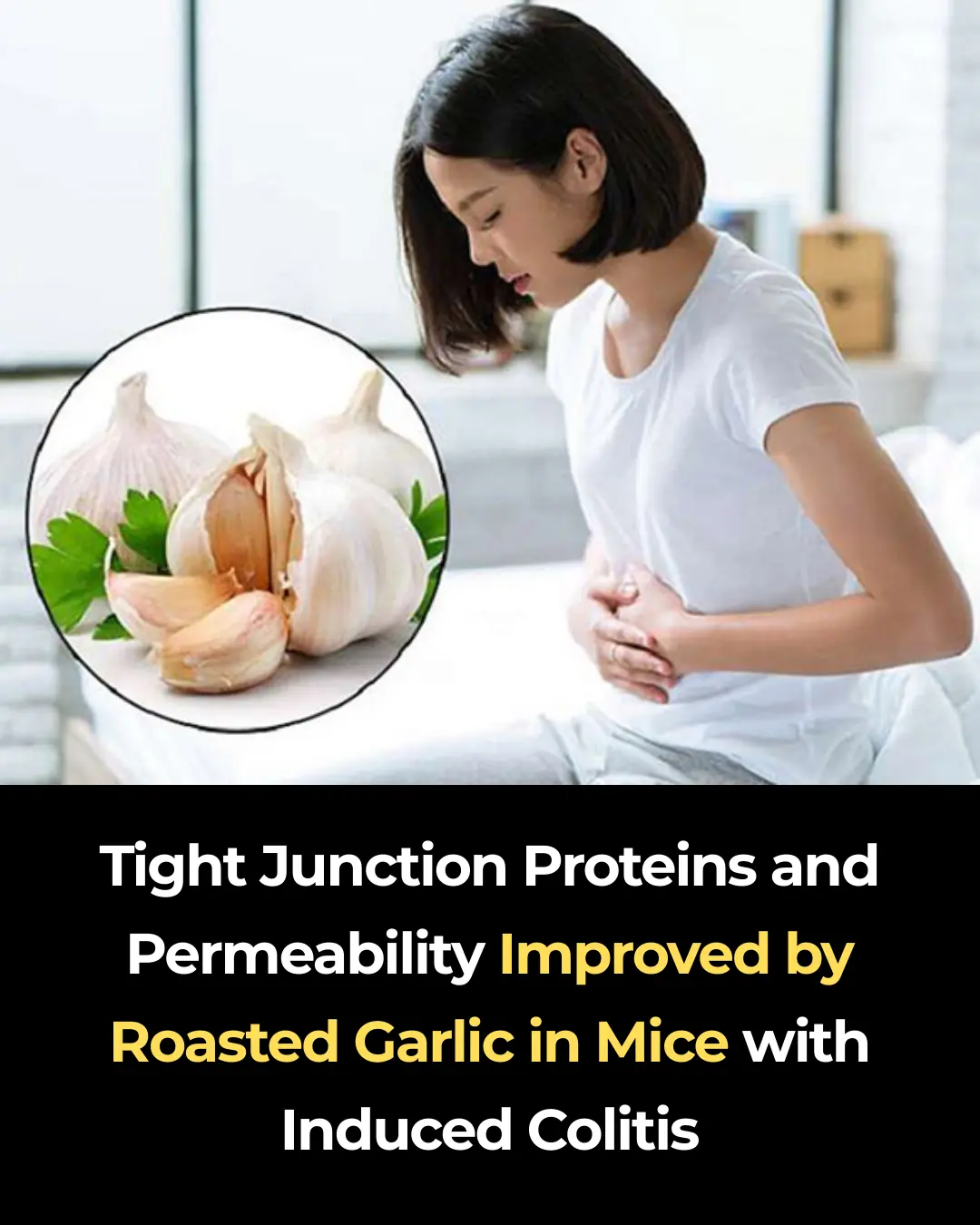
The integrity of the intestinal barrier is fundamental to overall health. When this barrier is compromised—a condition often termed "leaky gut"—it can lead to inflammation and systemic issues. A remarkable finding concerning one of the oldest medicinal foods provides a potential solution: Roasted garlic reversed leaky gut caused by chemical colitis in just 3 weeks by restoring tight junction proteins that normally break apart during inflammation.
The intestinal barrier consists of epithelial cells sealed together by complexes called tight junctions (including Zonulin, Occludin, and Claudins). These junctions act as selective gatekeepers. In inflammatory conditions like colitis, the inflammation causes these tight junction proteins to break down, leading to increased intestinal permeability, or "leaky gut" .
Garlic (Allium sativum) has long been revered for its anti-inflammatory properties, attributed to its sulfur-containing compounds. The roasting process alters the chemical profile of the compounds, potentially making them more effective in modulating the gut environment.
Protein Restoration: Garlic's compounds appear to signal the intestinal cells to re-synthesize or reassemble the tight junction proteins, effectively closing the gaps and restoring the gut's barrier function. The core finding is this restoration of tight junction proteins.
Anti-Inflammatory Modulation: The compounds suppress the production of inflammatory mediators that specifically target and degrade the tight junction proteins.
Prebiotic Effects: Garlic is a source of prebiotics like inulin, which nourishes beneficial gut bacteria. A healthy microbiome strengthens the barrier by producing short-chain fatty acids (SCFAs).